
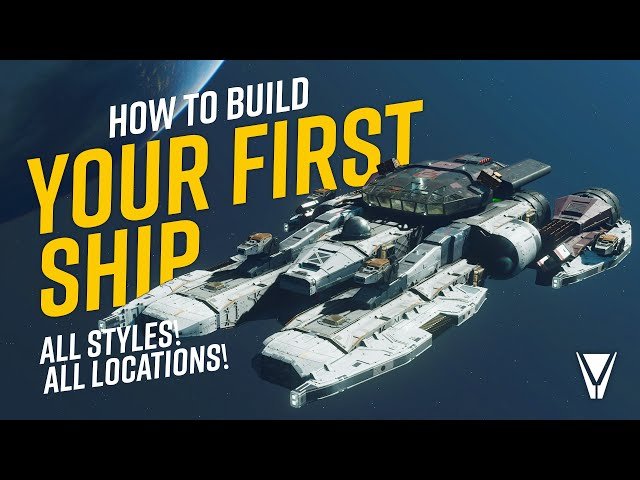
Building an effective ship in Starfield requires selecting appropriate modules for your desired role: prioritizing weapons for combat, cargo holds for hauling, or a balance for versatility.
So you are venturing into the vast cosmos of Starfield, eager to command your own vessel? The intricacies of shipbuilding can be daunting, but it doesn’t have to be. Understanding how the different ship parts work together is key to constructing a machine that suits your style.
Many wonder about “Starfield how to build an effective ship”. It’s not just about the looks. It’s about function. Carefully choosing each module, from engines to shields, directly impacts your performance.
Focus on your gameplay goals, then choose parts that fit those needs. Whether you are a pirate, trader, or explorer, a well-built ship makes the difference.

Starfield How to Build an Effective Ship
Building your dream ship in Starfield is a big deal! It’s not just about looking cool; it’s about making a ship that can handle whatever the galaxy throws at you. Whether you want to be a speedy explorer, a tough fighter, or a cargo hauler, the right ship is key. This guide will walk you through the important steps of designing and building an effective ship.
Understanding Ship Components
Before you start slapping parts together, it’s good to know what each part does. Think of your ship like a Lego set; each piece has its own job.
Cockpits
The cockpit is where you sit and control your ship. It affects your ship’s view and often comes with special bonuses. Some cockpits offer more crew slots, which lets you bring more friends along for the ride. Others might give you a boost to your ship’s shields or other stats. Choosing the right cockpit is a good start to ship building.
- Crew Capacity: How many people can work on your ship.
- Visibility: How much you can see while flying.
- Stat Bonuses: Extra perks like improved shields or weapon damage.
Hab Modules
Hab modules are the living areas of your ship. They include things like workshops, living quarters, and even medical bays. The type of hab modules you choose can impact how you live on your ship and the kind of work it can do. For example, if you want to do research you will need a research lab hab module.
- Workshops: Areas for crafting and repair.
- Living Quarters: Places for your crew to sleep and relax.
- Medical Bays: For healing yourself and your crew.
Engines
Engines are what make your ship go! They affect your speed, mobility, and even how much cargo you can carry. Different engines are better for different jobs. Fast engines are best for exploring while high power engines are good for hauling cargo and fighting. You need to consider what you will be using your ship to achieve.
- Speed: How fast your ship can travel.
- Mobility: How easily your ship turns and dodges.
- Power Consumption: How much power they need to work.
Grav Drives
Grav drives let you jump between star systems. A good grav drive means you can travel to new places quickly. Different grav drives need more or less power to do their job.
- Jump Range: How far your ship can travel in one jump.
- Power Requirements: How much power it needs to jump.
Shields
Shields protect your ship from damage. The stronger your shields, the more punishment you can take. Choosing the correct shields means a big difference in combat. Different shield types have different levels of protection and power usage.
- Shield Strength: How much damage it can block.
- Recharge Rate: How quickly the shields recover after being hit.
Weapons
Weapons are how you fight! There are different types, including lasers, ballistic weapons, and missiles. Each type is useful in different situations. Some do more damage to shields while others are better at damaging the hull of the ship. Choose the right ones for your style of combat.
- Laser Weapons: Good for draining shields.
- Ballistic Weapons: Deal direct damage to ship hulls.
- Missile Weapons: High damage, but need to be reloaded.
Cargo Holds
Cargo holds are where you store everything you collect on your adventure. A larger cargo hold means more loot and resources you can carry. More cargo space allows you to sell more at once, or carry more resources to build at your base.
- Cargo Capacity: How much stuff your ship can hold.
Structural Parts
These parts don’t have special functions, but they are used to shape your ship and provide connections for other parts. They can make your ship look cooler and improve some of its stats.
- Structural Integrity: How strong your ship is overall.
- Aesthetics: How your ship looks.
Planning Your Ship’s Role
Before you start building, think about what you want your ship to do. Are you a space pirate, an explorer, or something else? Here are some typical ship roles and the components that fit them.
The Explorer
Explorers need ships that are fast and can jump to new places easily. They need a long jump range and a fast engine.
- Engines: Focus on high speed and good mobility.
- Grav Drive: High jump range.
- Shields: Decent protection, but not the priority.
- Hab Modules: Research lab and living quarters
The Fighter
Fighters need ships with strong shields, powerful weapons, and good mobility. The main focus of these builds is firepower and survivability.
- Engines: High mobility is key.
- Shields: Maxed out.
- Weapons: A good mix of laser and ballistic weapons.
- Cockpit: One that provides combat bonuses.
The Cargo Hauler
Cargo haulers need ships that can carry a lot of stuff. The main focus here is maximum cargo space.
- Engines: High power for moving heavy cargo.
- Cargo Holds: As big as possible.
- Shields: Decent protection for dangerous travel.
- Grav Drive: A long range for travelling between systems
The All-Rounder
All rounders are ships that can do a bit of everything. It is a great choice for players who want to try everything the game has to offer.
- Engines: Balanced between speed and mobility.
- Shields: Good protection.
- Weapons: A mix of weapons for different situations.
- Cargo Holds: Good for carry a decent amount of items.
Building Your Ship Step by Step
Now that you have a general idea of what you need, lets go over how to actually make it.
Visit a Ship Technician
The first step is finding a ship technician. These can be found at many star ports and they offer a selection of parts for purchase.
Enter the Ship Builder
Once at the technician, select the ‘ship builder’ option. This opens up a screen where you can customize your ships.
Start with the Core
Begin with the cockpit. This sets the foundation for the rest of your ship. Follow this up with Hab Modules.
Add Engines and Grav Drive
Next add the engines and grav drive. This will dictate how well your ship travels through space.
Install Shields and Weapons
Install the weapons and shields to protect and fight enemies.
Add Cargo Holds and Structural Parts
Install the cargo holds so that you can transport items and resources.
Check Your Stats
Once you’ve finished designing your ship, make sure all of the stats are within the limits. If the design requires more power than your reactor can handle, you will need to upgrade it or replace a few parts with lower power versions.
Test Your Ship
When you’re finished, save your build and take your ship for a test drive. Check how it handles and its combat effectiveness. Make changes as needed.
Tips for Effective Ship Building
Here are some tips to ensure you’re building the best ship for your needs:
- Power Management: Make sure your reactor can handle the power requirements of your ship. It’s better to add a new reactor than having your shields or weapons underpowered.
- Balance: Don’t go overboard on one thing. A ship with only shields or only weapons is not ideal. A well-rounded ship is more effective.
- Experiment: Don’t be afraid to try different parts and designs. It is the only way you will find a build that is perfect for you.
- Use Ship Builder Skills: The ‘Ship Design’ skill lets you use better parts. Investing a few skill points here can greatly improve your ships.
- Find the Right Parts: Different technicians offer different parts. It can be worthwhile to check many before making your build.
Example Ship Builds
Let’s look at an example of an explorer and a fighter ship build.
Explorer Build Example
- Cockpit: One with good visibility and crew slots.
- Hab Modules: Research lab and basic living quarters.
- Engines: High-speed and responsive engines.
- Grav Drive: High jump range.
- Shields: Basic protection is fine
- Weapons: A light laser for defensive purposes.
Fighter Build Example
- Cockpit: One with combat bonuses.
- Hab Modules: Workshop for repairs.
- Engines: High-mobility and decent speed.
- Shields: Strong and fast recharge shields.
- Weapons: A mix of laser and ballistic weapons.
Remember, these are just examples. You can change them to fit your specific playstyle. Feel free to experiment and try different things!
Building an effective ship in Starfield takes time and effort, but it’s a rewarding process. By understanding the components, planning your ship’s role, and following these tips, you will have a ship that is ready for any task. Don’t be afraid to try new things, and most importantly have fun. Happy building!
How to Build Your First Ship in Starfield – Complete Guide
Final Thoughts
Effective ship design in Starfield demands thoughtful choices. Prioritize components matching your playstyle. Balance weapon power with mobility for dogfights. Remember cargo capacity if you are a space merchant.
Skill points play a major role in ship customization. Invest them wisely into relevant engineering perks. These skills improve your ship’s performance.
‘Starfield how to build an effective ship’ involves carefully selecting parts. Consider shields, reactors, and engines together. This will maximize overall effectiveness for any situation, and makes sure that your ship fits your needs and playstyle.

