
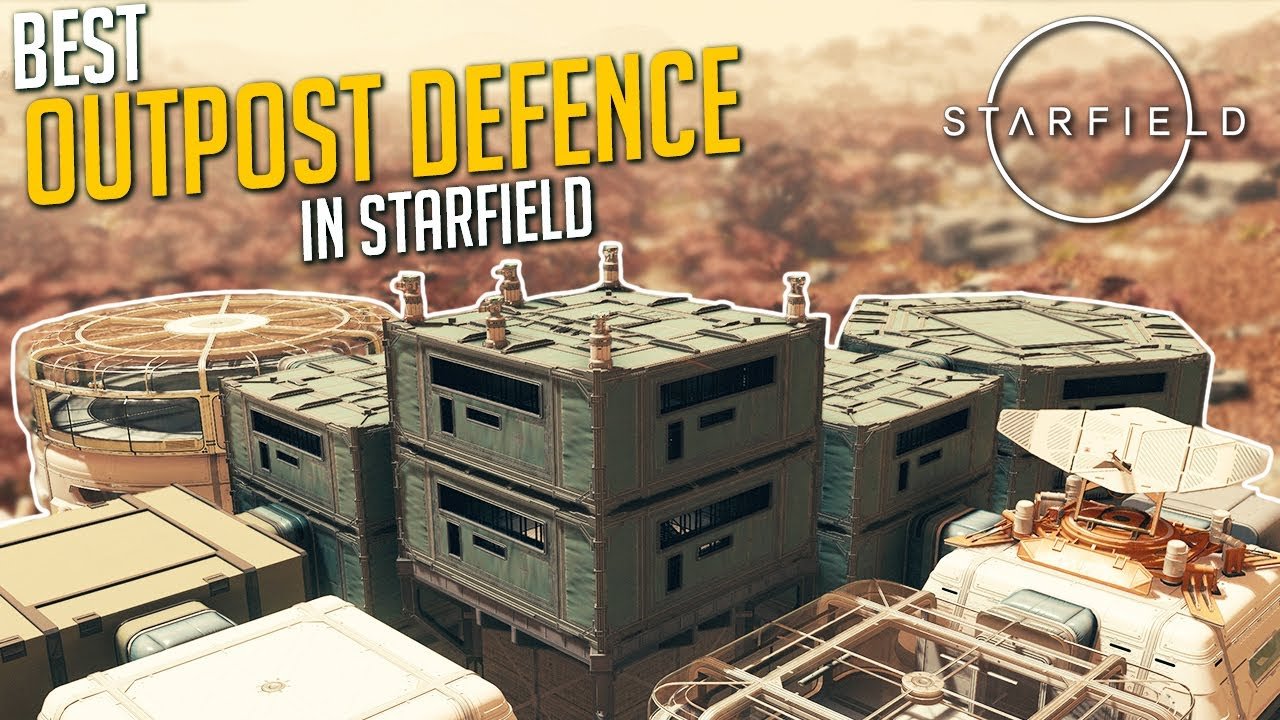
Building an effective outpost base in Starfield requires careful planning of resource extractors, storage, and habitat modules, prioritizing locations with desired resources and connecting them via transfer containers.
Venturing into the vast expanse of Starfield, the desire to establish a foothold on alien planets is strong. But how do you turn a barren patch of land into a thriving hub? This guide will delve into how you can manage your resources.
We will cover the core elements required for a productive settlement. We will answer that very question many players are asking: Starfield how to build effective outpost base. Let us begin.

Starfield: How to Build an Effective Outpost Base
Okay, space explorers! So, you’re ready to plant your flag and build a sweet outpost in Starfield? Awesome! Outposts are super useful. They’re not just pretty places to look at; they’re your resource hubs, crafting centers, and even safe havens in the vastness of space. But, like building with LEGOs, you need a plan to make sure your creation isn’t a wonky mess. This guide is going to help you understand how to build a fantastic outpost that actually helps you in your space travels.
Understanding Outpost Basics
Before we get building, let’s talk about the main stuff you need to know about outposts in Starfield. Think of them like your home away from home, but on another planet (or moon!).
What Outposts Can Do For You
- Resource Gathering: The main reason for an outpost is to gather important resources. These materials are used for crafting, research, and upgrading your gear. Imagine having a machine that automatically collects iron or aluminum— that’s what your outpost does.
- Crafting Central: Outposts let you build workbenches where you can make all sorts of cool stuff, like weapon mods, armor, and even medical supplies. No more running to town for repairs!
- Crew Station: You can hire people to work at your outpost, making resource gathering and other tasks more efficient. They keep things running smoothly even when you are out adventuring.
- Storage Solutions: Space is limited on your ship. Outposts can be turned into big storage facilities where you can keep all of your loot, materials, and extra gear.
- Trading Post: With the right modules, you can also set up a place to trade with traveling merchants. This is great for selling resources you have too much of and buying stuff you need.
Where To Build Your Outpost
Location, location, location! It’s super important where you decide to build. Different planets offer different resources. You can use the scanner to find out which resources are available on which planet. When you select a planet, the game tells you about the climate, and available resources. Think of it as choosing where to build your dream treehouse. Some trees (planets) have better building stuff than others.
- Consider Resources: Pick a planet with the resources you need most. For instance, if you’re crafting a lot of stuff that needs iron, build your outpost where iron is plentiful.
- Think about Temperature: Harsh environments can affect your outpost and how it works. Some planets have freezing temps or crazy weather. Pick a planet that is easy to manage early on.
- Check for Other Locations: Don’t build right next to an NPC location like a town or mining camp. These areas sometimes restrict what you can build. Find a quiet spot a bit further away.
- Good Views: Ok, this one isn’t a must, but having a pretty view for your outpost can make playing the game more fun!
Planning Your Outpost Layout
Before you just start slapping down buildings, it’s good to have a basic plan. This helps keep your outpost organized and working well. It’s like drawing a map before you build a sandbox city. Let’s explore some important things to plan.
Resource Extraction
The main goal of many outposts is to gather resources. Here is how to set up the system effectively:
- Identify Deposit: Use your scanner to find resource deposits on the ground. These are where you need to place your extractors.
- Place Extractors: These machines pull resources from the ground. Put them directly on top of resource deposits.
- Power Up: Extractors need power, so build solar arrays or generators nearby. Be sure to build enough to handle your extractors’ needs.
- Storage Solution: Once the extractors are pulling resources, you need places to store them. Build containers nearby to store everything.
- Cargo Links: For really big operations, set up cargo links between your outpost and your ship or other outposts. These are used to transport large amounts of materials.
Building Habitats and Structures
Beyond just collecting resources, you also need places for your crew to live and for you to craft and upgrade equipment. Here’s what you should consider:
- Habitats: These are where your crew will live. Make sure to build enough for everyone you want to have working at your outpost.
- Workbenches: These are your crafting stations. You need workbenches for armor, weapons, research, and more. Plan your layout so that you can move between them smoothly.
- Defenses: Some planets have dangerous creatures, so put up turrets to keep them away.
- Landing Pads: Make sure you have a landing pad for your ship. This helps when you visit your outpost.
- Decoration and Extras: You can add furniture, decorations, and other fun stuff to make your outpost feel more like home.
Power Management
Outposts need energy to function. It’s like a computer needs electricity. Here is a guide to power management:
- Solar Arrays: If you’re on a planet that is generally bright, solar arrays are a great way to get power. They are cheap and generally easier to manage.
- Generators: If you’re in a dark spot or need more power, you will have to use generators. These need fuel but provide a lot more power.
- Connect it All: Use cables to connect all the different parts of your outpost. Be sure everything has a power source.
Advanced Outpost Techniques
Once you’ve got the basics down, you can move on to more complex things to make your outpost super efficient. These things can take your outpost from being just a resource hub to a well-oiled machine.
Automated Resource Transfer
Moving resources between storage units, ships, and other outposts can be tedious if you have to do it manually. But the game provides ways to automate this process. Here’s how:
- Cargo Links: The cargo links are the core of automated resource transfer. You have to build them and set a route for your resources. You can transport specific materials between outposts.
- Containers: Use a mix of storage containers to keep things organized. Have separate containers for each type of resource.
- Robots: You can also build robots that can help carry resources or do other work. These are helpful if you have a complex operation.
Research and Upgrades
Using research facilities at your outpost lets you find new things to build and make your gear better. This is the place where you can really get ahead of the game.
- Research Stations: Set up a research station in your outpost. This station is where you find new recipes and improvements.
- Resource Collection: As you do research, you’ll need different resources. You can get these resources from your outpost, making the whole process self-sufficient.
- Make Upgrades: You can upgrade your weapons, gear, and outpost components with research.
Crew Management
Crew members make outpost life a lot easier. They can help with research, resource extraction, and even defense. Here’s how to manage them:
- Recruiting: Find crew members in cities and space stations. Hire the ones that are best for your outpost.
- Assign Roles: Assign crew members to specific jobs at your outpost, like manning the turrets or working at extractors.
- Crew Quarters: Make sure you have enough beds and living space for all the crew members that are working at your outpost.
Tips for Optimizing Your Outpost
Now let’s look at tips to make your outpost even better. These will help you avoid common problems and make the process of building and running your outpost much more efficient.
Effective Placement
Where you put things matters. Here are a few things to consider when you place buildings:
- Close Proximity: Place things that work together close by. For example, put extractors next to storage containers, and put workbenches near habitats.
- Room to Grow: Leave space for your outpost to grow. You might need to add more extractors, generators, or even buildings as you play.
- Keep it Organized: Build in a way that makes sense to you. An organized outpost is much easier to use.
Troubleshooting
Sometimes things go wrong. Here is a list of the common outpost issues and how to fix them:
- Power Problems: If things are not working, first check that you have enough power. Make sure everything is connected to a power source.
- Storage Full: If your storage is full, your extractors won’t be able to work. So, make sure to empty storage units regularly.
- Resource Issues: Sometimes, you might find that the resource deposit you were using has dried up. In this case, you will have to find a new deposit.
Using Blueprints
Instead of building from scratch every time, you can use blueprints to make the process easier. This helps with making many outposts.
- Copy Layouts: If you build an outpost you like, you can save that layout and use it somewhere else.
- Save Time: Using blueprints will save you time and effort when setting up new outposts. This allows you to get new outposts online much faster.
Building an effective outpost in Starfield is really all about careful planning, smart resource management, and a bit of creativity. Remember to explore different planets, experiment with layouts, and always look for ways to make your outpost more efficient. By following these guidelines and using a bit of your own space-building style, you can create an outpost that not only helps you, but also makes your Starfield adventure that much better!
Starfield – The Beginner's Guide to Building Outposts
Final Thoughts
Effective Starfield outpost bases require careful planning and resource management. Prioritize resource extractors first, then storage, and finally living quarters. Link your structures with cargo links to move resources efficiently.
Choosing a good location with multiple desirable resources is essential for a productive base. Consider defensive structures, too, to protect your base against attacks. ‘Starfield how to build effective outpost base’ boils down to strategic placement and efficient logistic chains.

