
Locating rare resources in Starfield often requires exploring specific planets with unique geological traits or by purchasing from specialized vendors found in major cities.
Venturing into the vast expanse of space in Starfield presents many challenges, one being securing those elusive, rare materials. Finding specific planets with unusual geological signatures is one route to obtain them. Some planets also have more rare resources than others.
Another way to gather the more sought-after materials for crafting and upgrades is through strategic purchasing from reputable vendors. You can find some vendors in big cities. They often carry a selection of rare goods if you have the credits. Understanding Starfield how to obtain rare resources is key for progressing in the game.

Starfield: How to Obtain Rare Resources
Venturing across the vast expanse of Starfield’s universe, you’ll quickly realize that not all resources are created equal. Some, the rare ones, are essential for crafting top-tier gear, constructing advanced outposts, and completing crucial research projects. Finding these valuable materials can be tricky, but with a little know-how and exploration, you’ll become a master of resource acquisition. This guide will help you find those elusive treasures.
Understanding Resource Rarity in Starfield
Before we dive into specific locations, it’s important to understand how Starfield categorizes resources. They’re not just lumped together; they come in different tiers of rarity. Common resources, like Iron or Aluminum, are plentiful and easy to find. Uncommon resources are a little scarcer, often requiring you to visit specific planets or biomes. Rare resources are the real challenge. They are much harder to find, and you’ll have to explore thoroughly to get your hands on them. The rarest of the rare are often associated with very specific planet types or sometimes only found after completing a mission.
What Makes a Resource ‘Rare’?
Several factors contribute to a resource’s rarity:
- Planetary Type: Some resources are exclusively found on planets with specific characteristics, such as extreme temperatures, unique biomes or specific gravity.
- Generation Chance: Even on the right planet, some resources have a very low spawn rate, making them harder to find.
- Location Specificity: Some may only spawn in very specific areas or caves on a planet, often in less obvious places.
- Mission Rewards: A few of the rarest resources can sometimes be obtained through completing very difficult missions or quests.
Essential Techniques for Resource Gathering
Okay, so knowing what makes a resource rare is only part of the equation. Here are some practical methods you can use to improve your resource gathering skills.
Surveying is Key
Before you even think about firing up your cutter, make sure you scan the planet. Using the survey tool in your scanner, you can identify resources on a planet. It’s not enough to just look at the planet from space; you have to actually land and scan the areas to reveal resource deposits. Use your hand scanner and scan the rocks. Look at the surface, and check for any unique plants. If the resource is present, the scanner will clearly indicate it on the screen and on the world map.
Strategic Landing Spots
Don’t just land randomly. Pay attention to the planetary map. Look for biomes that suggest the kinds of minerals or plants you need. Extreme biomes sometimes hold the most valuable treasures. Here’s some tips:
- Mountains and Canyons: These often have more resources exposed, and are a good place to start surveying.
- Caves and Underground: These can sometimes be hard to spot, but they can hide the most valuable deposits and creatures that can drop rare materials.
- Areas around unique points of interest: Some specific minerals can sometimes spawn in higher quantities around structures or natural landmarks.
The Art of the Cutter
Once you’ve located the resource, break out the Cutter. It’s your primary tool for resource extraction, make sure you have enough Cutter Fuel. It’s a consumable item that enables the cutter to work correctly. You can find Cutter fuel in many vendor locations.
Outpost Placement and Resource Extraction
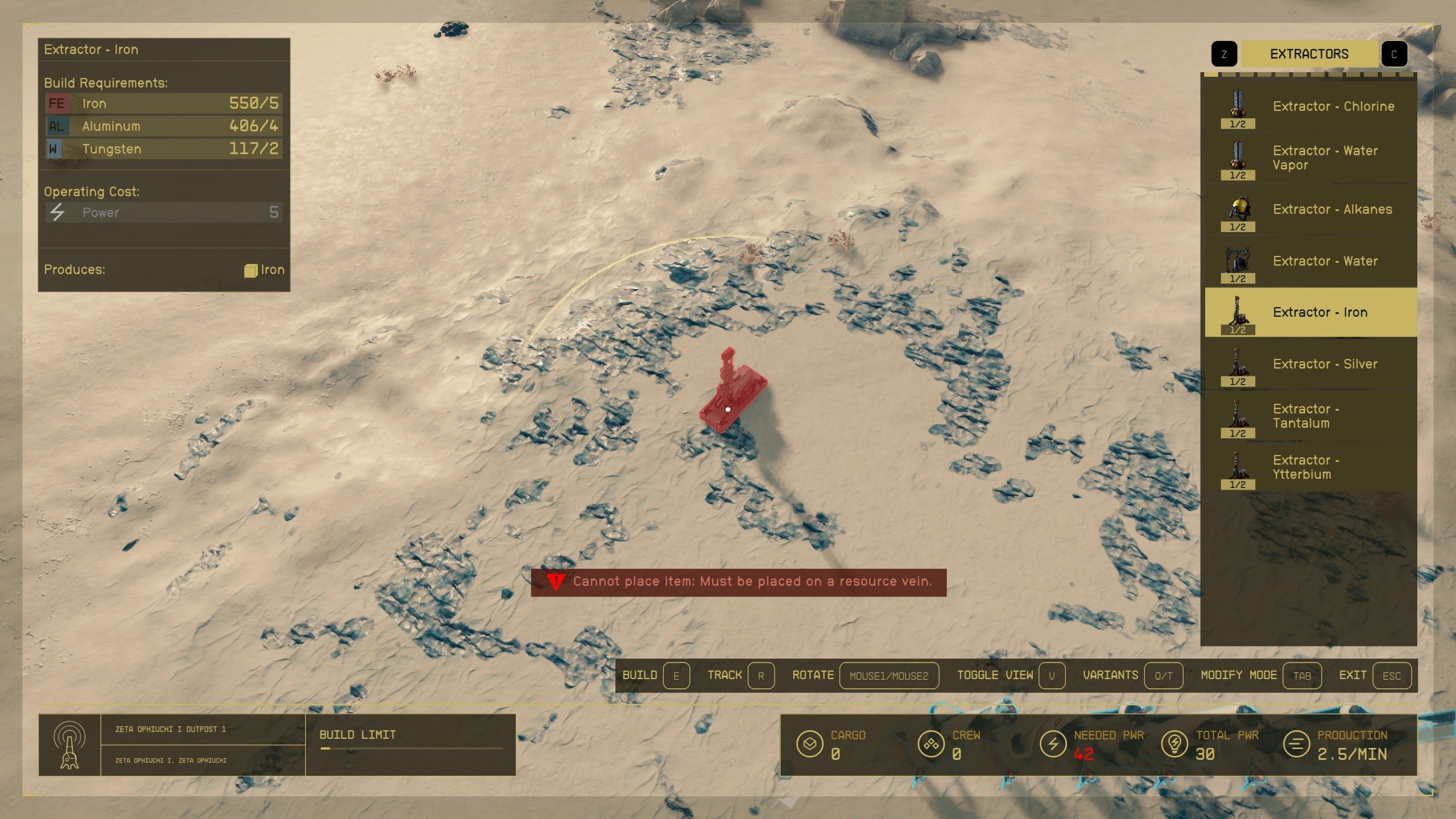
Outposts are a great way to automatically collect resources. If you find a deposit, and you like to keep farming that specific resource, build an outpost nearby with an extractor. Here are some critical tips about outposts:
- Location, Location, Location: Place your extractor directly on the resource node. If it’s a mix of resources, build multiple extractors to separate them.
- Power is Key: Make sure you have enough power for the extractors. You might need solar, wind, or fusion power depending on where your outpost is located.
- Storage Solutions: Connect storage units to the extractors. This will allow you to collect large amount of resources even when you aren’t at the outpost.
- Automate your routes: When you built multiple outposts, use the ship cargo links system to automate resource transfers between all your different locations.
Specific Rare Resources and How to Find Them
Now that we’ve covered the basics, let’s get into some specific examples of rare resources and where to look for them. Remember that resource locations can vary somewhat, but these are reliable places to start looking.
Tantalum
Tantalum is a critical component in many advanced crafting recipes. It’s pretty rare to come across, but here is some tips for you:
- Planet type: Look for planets with extreme environments, such as those with volcanic activity.
- Biomes: Mountains and rocky areas with high seismic activity can be good places to look.
- How to find it: Survey all areas on the planets, with special attention on the high altitude areas.
Vanadium
Vanadium is another valuable resource, frequently used to create high-end parts. These are the key points for farming it:
- Planet Type: Planets with metallic cores and magnetic fields often yield this resource.
- Locations: Canyons, craters, and areas with geothermal vents can contain higher concentrations.
- How to find it: Look for unique rock formations and areas with unusual geological features.
Iridium
Iridium is a very scarce resource that you will need for end game crafting. Keep these points in your mind to look for it:
- Planet Type: Look for gas giants or planets with dense atmosphere.
- Locations: Usually, you will find it in caves, or in specific areas that are less visible on the map.
- How to find it: Always survey completely the area to discover all the deposits.
Gold
Gold is a precious resource, used in many high tech components, also a great value material to sell to vendors. You can farm it in the following ways:
- Planet Type: Look for planets with a rich mineral content.
- Locations: Gold can often be found in areas with high metallic content.
- How to find it: Always survey, and look for specific rock formations.
Palladium
Palladium is a unique resource with a lot of use in research and crafting. Make sure you check these for farming:
- Planet Type: Look for icy planets or moons.
- Locations: Often found in glaciers, ice caves, and areas with specific geological formations.
- How to find it: Start the survey near ice structures, and in caves.
Lithium
Lithium is a valuable resource, essential for energy-related products. You can locate lithium in this ways:
- Planet Type: Search for rocky planets with extreme temperatures.
- Locations: Found near geothermal vents or in canyons.
- How to find it: Always survey, and look for the specific plants on the planet surface.
Very Rare Organic Resources
Some of the rarest resources come from alien life forms. These creatures are often found in remote locations. These resources are really rare, so here are some tips for finding them:
- Planet Type: Search for planets with complex ecosystems and unique flora and fauna.
- Locations: Look for specific biomes, like wetlands, or areas near alien ruins.
- How to Find Them: Fight specific creatures to obtain rare materials. Always survey to see what creatures are available on the planet.
Some example of those rare organic resources:
- Aromatic Membrane: Obtained from the Pack Leaper creature.
- Biosuppressant: Acquired after defeating the Swarming Hunting Beetle.
- Crystalline Chitin: Acquired after defeating the Terrormorph.
Advanced Tips and Tricks
So you know the basics of finding rare resources, here are some more advanced tactics:
The Power of Skill Points
Invest skill points into Botany, Zoology, and Geology. These skill points can improve the chances of finding specific resources, as well as increasing the quantity you can get, also the damage you inflict against the creatures.
Trading and Vendor Locations
Sometimes, the easiest way to get rare resources is to simply buy them. Visit different vendor locations, such as in cities or in space stations. Keep an eye on the vendor’s stock and make sure you have enough credits for purchasing. Remember, vendor stock can be randomly generated each time they restock, so check regularly.
The Importance of Patience
Finding rare resources is not always fast. It requires patience, perseverance, and a lot of scanning. Don’t be discouraged if you don’t immediately find what you’re looking for. Just keep exploring and you will discover amazing and valuable resources.
By using all this information, and techniques that we just covered, you will be able to farm any resource in Starfield. Remember to explore, be creative and keep exploring the universe!
Starfield Outpost Building Guide – Locations for Rarest Resources
Final Thoughts
To get those elusive materials, consistently explore planets with unique traits. Surveying each biome carefully often reveals rare resource nodes. Trading with specific vendors in large settlements also proves useful. Starfield how to obtain rare resources is heavily tied to diligent exploration and smart bartering practices.
Remember that some resources only appear during certain planetary events, like storms. Mining in these situations provides better yields. You should also use scanning skills effectively; it highlights resource locations. Ultimately, patience and thoroughness are key to finding the best materials.

