
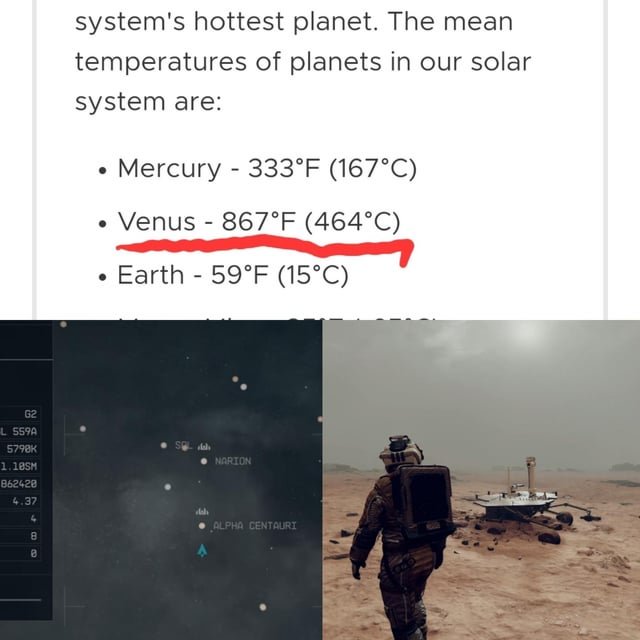
To survive dangerous environments in Starfield, players must utilize appropriate environmental protection gear, consume helpful consumables, and upgrade relevant skills.
Venturing into the vast expanse of Starfield presents unique challenges, not least of which are the varied and often hazardous environments you will encounter. From searing heat to freezing cold, the planets of Starfield demand preparedness. You need to adapt and learn if you want to explore the galaxy safely.
Starfield how to survive dangerous environments is not just about enduring harsh weather. It also includes navigating radioactive areas and dealing with toxic atmospheres. Careful planning and gear management become absolutely essential.

Starfield How to Survive Dangerous Environments
Venturing into the vast expanse of space in Starfield means facing some seriously tough conditions. It’s not all stardust and friendly aliens; many planets and moons present hazards that can quickly end your adventure if you’re not prepared. This guide will help you understand and navigate those challenges, making you a space survival expert.
Understanding Environmental Hazards
Before you even set foot on an alien world, it’s crucial to know what you’re up against. Starfield throws a variety of environmental dangers your way, each requiring a different approach.
Extreme Temperatures
Some planets are scorching hot, while others are frozen solid. These temperatures aren’t just for show; they can drastically affect your health.
- Extreme Heat: Prolonged exposure to high temperatures can lead to heatstroke. You’ll see your health bar decrease, and if you’re not careful, you’ll collapse.
- Extreme Cold: On the flip side, frigid planets can cause hypothermia. The same health-draining effects happen here, so act fast.
Always pay attention to the environmental indicators on your HUD (Heads-Up Display). They’ll tell you if the planet’s temperature is too hot or too cold for comfortable exploration.
Radiation
Radiation is a nasty invisible threat present on many planets. It can build up in your system and cause serious harm if you don’t deal with it.
- Radiation Buildup: The longer you stay in a radiated area, the more radiation you absorb. This leads to increasing damage.
- Radiation Poisoning: If your radiation levels get too high, you can suffer from radiation poisoning, further hampering your health and well-being.
Atmospheric Hazards
The air you breathe isn’t always going to be clean. Some planets might have toxic atmospheres, making it dangerous to even take a simple walk.
- Toxic Gases: Planets with high levels of toxic gases will quickly damage you if you’re not protected. These gases can come in various forms, each with its own effects, such as coughing, decreased movement or even immediate health damage.
- Corrosive Atmospheres: These are extremely dangerous, causing damage to both your character and your equipment. Staying out of these conditions as much as possible is your best bet.
Gravity
While not directly damaging like the other hazards, gravity can still be a challenge. The amount of gravity on a planet affects how you move.
- High Gravity: In places with high gravity, you will move slower and your jumps will be much smaller. This can be hard to manage if you’re used to normal or low gravity.
- Low Gravity: On low gravity planets, your jumps will go a lot higher and you can move around more easily. Be careful though, because you can float away if you are not careful.
Gear Up: Protection Against the Elements
Knowing the dangers is half the battle; the other half is having the right equipment. Your gear is the first and most critical line of defense against Starfield’s harsh environments.
Spacesuits
Your spacesuit is not just for show! It offers vital protection from a range of dangers.
- Environmental Resistance: Different suits have varying levels of protection against extreme temperatures, radiation, and atmospheric hazards. Check the stats on your suit to make sure it is right for the environment you will be entering.
- Suit Mods: Don’t forget to modify your suit. Mods can add extra layers of resistance or give you other survival advantages. Look into crafting or buying suit mods to greatly improve your ability to survive hazardous environments.
Helmets
Helmets provide much needed protection for your head. They often have unique environmental perks as well.
- Atmospheric Filtration: Your helmet will often allow you to breathe, even in toxic atmospheres, so long as the levels are not too high. Make sure that your helmet has good stats for hazardous environments before you venture onto those planets.
- Vision Augmentation: Some helmets provide enhanced vision, helping you spot dangers or resources that may be hidden to the naked eye. These can be extremely helpful when you are exploring unknown worlds.
Boost Packs
While it might seem just for getting around, boost packs can be a key survival tool.
- Mobility: In low gravity conditions, boost packs can make movement far easier. However, they’re also good for quickly getting out of harm’s way in a pinch.
- Vertical Access: You can use boost packs to reach higher places, avoiding some ground-based environmental dangers or accessing resources in difficult to reach locations.
Consumables: Your Best Friends in Harsh Conditions
Gear can only get you so far; sometimes, you need to rely on consumables to boost your survival odds. Keep a supply of these handy.
Medpacks
Medpacks are essential for healing damage and keeping you healthy. Keep a solid supply on hand, as any environment can inflict damage.
- Healing: These quickly restore your health. If you have any health damage due to an environmental hazard, heal up immediately with a medpack.
- Instant Effect: Medpacks give you immediate healing and can be a lifesaver in dangerous situations.
Food and Drinks
Beyond the standard health boost, food and drinks can have extra effects, such as improved resistance against different environmental effects.
- Environmental Buffs: Certain foods provide temporary resistance to extreme temperatures, radiation, or even toxic atmospheres. Eat the right food for the conditions you are currently in.
- Sustenance: Food replenishes your hunger, so you can keep traveling, exploring and doing what you need to do. Don’t get caught in the middle of nowhere without food to keep you going.
Anti-Radiation Items
These are must-haves when dealing with radiated planets. They’re crucial to prevent or lessen the negative effects of radiation.
- Rad-X: This consumable lessens the radiation you are taking. Be sure to carry some when going into hazardous areas.
- RadAway: This removes radiation from your body if you have already taken too much. If you spend a lot of time in hazardous locations, this is vital to keeping yourself alive.
Skills: Your Personal Survival Toolkit
Skills play a crucial part in how well you handle the different challenges of space. Investing points here can have a significant impact on your survivability.
Physical Skills
Physical skills are vital to keeping your body in shape and ready for action.
- Fitness: This skill increases your overall health and reduces damage from environmental hazards. This is a must for any type of exploration.
- Weight Lifting: Being able to carry more is critical on long expeditions, where you might be gathering resources.
Science Skills
These are crucial to using your gear efficiently and adapting to dangerous situations.
- Medicine: This lets you craft more potent healing items and can improve the effectiveness of existing medpacks. If you are often going into dangerous areas, this is vital.
- Research Methods: This skill allows you to research new suit mods, weapon modifications, and environmental resistances that are vital for survival.
Tech Skills
Tech skills are essential for getting the most out of your equipment and making sure you are using the most efficient items available.
- Spacesuit Design: This helps you craft and improve your suit modifications, enhancing your defenses against specific environmental threats.
- Weapon Engineering: Better weapons allow you to more effectively deal with any dangerous lifeforms you might encounter when exploring.
Tips for Surviving in Dangerous Environments
Knowing your tools and skills is just the first step. Putting that knowledge to practical use is key to not dying.
Plan Ahead
Always check the planetary data before landing. Knowing what you’re up against gives you the time to prepare and make sure you have the right tools.
- Scan Planets: Before landing, scan the planet or moon using your ship’s scanners. This provides information about temperature, radiation levels, and atmospheric conditions.
- Check Resources: See what resources are available on the planet. Knowing that ahead of time can help you gather materials for new gear and upgrades as you go along.
Manage your Resources
Staying stocked up is crucial for any long expeditions or exploration sessions. Don’t let yourself get caught out in the field without essential items.
- Carry Essentials: Always have a good stock of medpacks, food, drinks, and anti-radiation items. It’s better to have it and not need it, than need it and not have it.
- Gather Resources: Collect materials and crafting components from the planets you explore. You’ll need these for crafting new items or upgrading your gear.
Observe your Surroundings
Always be aware of your surroundings and the different hazards. Take note of anything that could cause you harm.
- Environmental Cues: Pay attention to visual cues, such as extreme heat distortions or radiation clouds. These signs often indicate danger.
- Listen Carefully: Audio cues such as high wind sounds, or warnings from your suit can alert you to hazards you cannot see.
Use Cover Effectively
Don’t just run out into the open; use cover to avoid environmental damage and other threats.
- Natural Cover: Look for rocks, cliffs, or other terrain features that can protect you from dangerous weather or radiation.
- Structures: Use buildings or other structures to find safety. If your suit and supplies are running low, buildings are a great place to rest or seek shelter.
Adapt and Improve
The key to survival is not just to be good, it is to always be getting better.
- Analyze Failures: Don’t be afraid to make mistakes. When things go wrong, take time to think about what happened and use that to make sure you don’t make the same mistake again.
- Upgrade Gear: Use the resources you have gathered to improve your suit and your equipment to better survive in extreme environments.
Surviving in the dangerous environments of Starfield is no easy feat. However, with the proper knowledge, gear, skills, and planning, you’ll be exploring even the most hazardous planets with the ease of a space veteran. Keep an eye on your suit, take note of your surroundings, and always be prepared for the unexpected. Good luck out there, explorer!
Starfield – Survival Mode Spacesuit Pack Helmet Testing in Extreme Environments
Final Thoughts
Adapt your equipment to suit each planet’s conditions and consume appropriate aid items. Always check your suit’s environmental protections before venturing out. Skill points spent in specific resistances help greatly.
Knowing how a specific threat affects your character makes a big difference. Consider the unique hazards, like extreme temperature. This knowledge is key to ‘Starfield how to survive dangerous environments’.
Consistently monitoring your environment is a must. Adjust tactics based on the planet’s specific dangers. You must prepare accordingly to increase your survival chances.

