
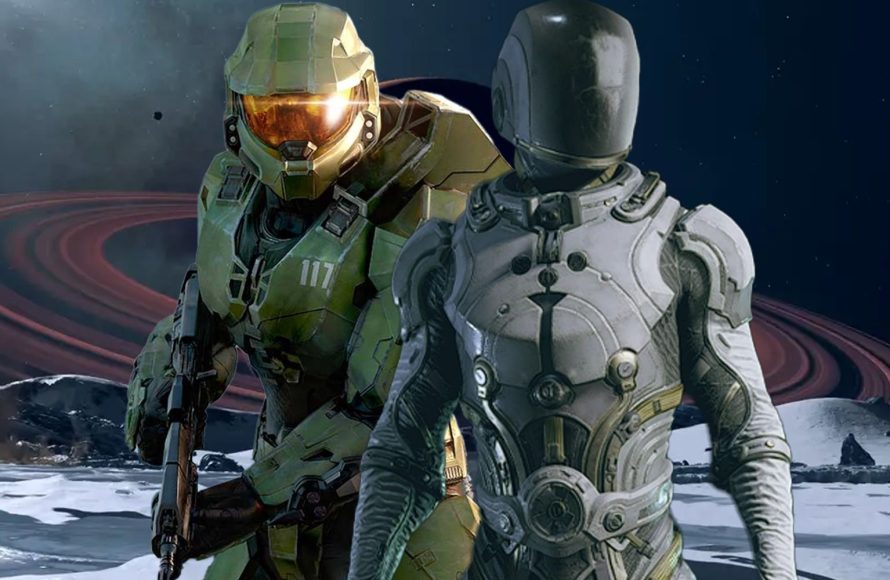
Early game in Starfield requires a focus on resource collection, completing faction quests for experience and gear, and upgrading your ship’s basic systems.
Stepping into the vast expanse of Starfield can feel overwhelming at first, but knowing where to start is key. Starfield mastering the systems of early game is easier than it appears. You just need a clear approach.
Prioritize those initial quests and carefully consider how you spend your skill points. A well-planned beginning makes later exploration much smoother. It’s about learning the basics well.

Starfield: Getting Good at the Early Game Systems
Okay, space explorers! So, you’ve just stepped out of that dusty mine and into the vast universe of Starfield. It can feel a little overwhelming at first, right? There are spaceships to fly, planets to explore, and people to meet. Don’t worry; we’re here to help you get a handle on things. The start of Starfield is where you build your foundation, so let’s dive into the key systems you need to understand to have a successful journey. We’ll talk about everything from making money to building cool bases, all in a way that’s easy to understand.
Understanding Your Character and Skills
First things first, let’s talk about YOU! When you create your character, you pick a background and traits. These choices might seem small, but they give you a little boost at the beginning. Backgrounds are like choosing what you were good at before you started exploring space. Traits are extra things about your character that have both good and bad sides. For example, one trait might make you better in combat but could make people dislike you sometimes. Carefully pick traits that match how you want to play. These choices impact your story early on so it is crucial to give it a little thought. Your background and traits may also help in how your conversation goes with other characters in the game.
Skills and How to Earn Them
Starfield has a skill system that lets you become better at different things. You have a skill tree with different categories like combat, science, social, and technology. You can invest skill points into these skills. When you start, focus on the skills you’ll use most. If you plan to be a space fighter, go for combat skills. If you like talking your way out of trouble, get some social skills. Skill points are given as you level up.
Also, you can complete specific challenges, like destroying a number of enemies with a certain weapon, to unlock the next skill level. Always look at your skill progression to see what kind of tasks to prioritize. Each level of a skill gives you new abilities and improves the old ones. It’s like collecting building blocks to get better and better in a specific activity. For example, increasing your persuasion skill can open up new conversation choices, that you could not have before in the early game. Experiment with different skills, and choose one that suits your gameplay.
Navigating the Galaxy
The star map can seem a little confusing at the beginning, but it’s your best friend for getting around. Think of it like a giant map of space. You can jump from system to system, and each system can have lots of planets and moons to visit. You start in the Settled Systems, where most of the main story takes place. To travel, select a place on the map and your ship will jump there.
Understanding Systems and Planets
Each system and planet in the game is unique. Some planets have oxygen to breathe, others are barren rocks. Pay attention to the details when you pick a destination. The system information tells you what resources you can find on that planet, whether there’s an active mission there, or if there are interesting landmarks. You can even scan planets from orbit to find more information. The more you explore, the more you will learn about the place and the resources it has. Scanning is super important because it lets you find things you can use later, such as materials for crafting or building outposts.
Grav Jumping and Fuel
To travel between star systems, you need to “grav jump.” Your ship needs to have enough fuel to make these jumps. Keep a close watch on your fuel gauge and grab some extra fuel from ports. Your ship’s fuel is like the gasoline for cars, it’s important to have a full tank if you want to make it to places far from your starting area. Also, always plan the jump path. Sometimes jumping to a system with a port and gas station helps keep your journeys smooth.
Making Money and Trading
You need credits (the game’s money) to buy ships, weapons, and other cool stuff. So how do you become space rich? There are several ways to make money in the early game. One of the easiest ways to make money early on is by completing missions. People are always asking for help in the Settled Systems and if you are ready to help them, they will always give you a good amount of credits as reward.
Missions and Quests
Take on missions from the mission board at the city. These jobs could be anything from exploring a planet to dealing with space pirates. Check the mission reward because some are more profitable than others. Remember to read the descriptions before you accept the mission. Some may take longer than others or have more danger associated with them.
Selling Resources and Loot
When you explore, you’ll find lots of resources and items. Sell any extra loot, or resources, that you collect to vendors at different spaceports. Look for vendors in major cities like New Atlantis and Cydonia. Keep in mind that some vendors will pay more for certain items than others, so it’s important to shop around for the best prices. And remember, resources found from mining or from the flora of different planets are very important for crafting so don’t just sell them all. Save some for later use and only sell the excess ones.
Trading With Vendors
Trading with vendors is a key part of making credits. Some vendors buy specific items for more than others. For example, a weapons vendor pays more for weapons than a general goods vendor. You can also try haggling with some vendors if your persuasion skill is high enough. This gives you a chance to ask for a higher price, which helps increase your profits in trading. It is not a necessary skill, but helpful, if you plan to do lots of trading.
Combat Basics
You can get into fights in Starfield, sometimes. You will encounter pirates or wildlife and might need to defend yourself. It’s important to get a basic idea of combat so you can survive. The combat in Starfield feels great, the guns are awesome, and it really makes the experience fun.
Guns and Weapons
There are different kinds of weapons to try out. Some are good for fighting up close, and some work better from far away. You can use pistols, rifles, shotguns, and many more. The key is to try out different weapons to find what you like best. Also, remember to pick up extra ammo whenever you can find it. There are also melee weapons, like knives, that can help you in tight situations.
Using Cover and Movement
Combat in Starfield is not just about shooting. It’s also about moving smart and using cover. Find places where enemies can’t shoot at you and pop out to take your shot. You can use rocks, walls, and other objects as cover. Your jet pack can also help you make quick moves or reach a high point where you can get a good view of the battle. It gives you extra mobility which will be crucial when you fight tougher enemies.
Ship Combat
When you’re flying your ship, you might get into a space battle. Ship combat is very different from ground combat. You’ll have to manage your ship’s shields, weapons, and engine power. Learning how to target enemy ships, use missiles and lasers, and move your ship effectively is critical to winning fights in space. Make sure that you are aware of the current health of your ship, because it can be a deciding factor between success and failure. If you take too much damage you might not survive the fight.
Outpost Building
Building an outpost is one of the more advanced features of Starfield, but you can start to grasp the basics early on. Outposts let you create your own base on planets, where you can mine resources, build storage, and work on science projects. They’re very important if you like building and crafting. It takes time to get your outpost up and running, but once you do, they become very useful.
Finding the Right Location
Before you build an outpost, you need to find the right place. Look for locations that have the resources you need, like iron, aluminum, or helium-3. Open your scanner on a planet and you’ll see which resources are available. Pick a spot with at least one resource near a nice flat area that is easy to build on. This ensures the smooth running of your outpost.
Placing Structures
After picking your spot, you can start building things like mining machines, storage containers, habitats, and research stations. You can then use the resources that you gather to build even more advanced things. The more you expand your outpost, the more resources it can generate. For example, you might build a research station so you can come up with new technologies for your next adventure.
Connecting Your Outposts
If you set up multiple outposts, you can connect them together via cargo links. That way, resources from one outpost can be sent to another. This helps streamline your operation and get access to different resources that are found on other planets. Once you have mastered a certain location, you can set up the next outpost. This system creates a network of bases across the galaxy, making your resource collection very effective.
Crafting
Crafting is another useful system in the game. With crafting, you can turn raw resources into items that you need for exploration, ship upgrades, and outpost improvements. If you can craft an item, it may save you credits because you don’t need to buy them.
Workbenches
Workbenches are your crafting stations. There are different workbenches for various types of crafting. You will find industrial, weapons, spacesuit, and pharmaceutical workbenches. Each workbench lets you make specific types of items. For example, a weapons workbench lets you create and modify weapons, while a pharmaceutical bench lets you create medicine and healing items. As you progress through the game, you can also build these workbenches in your outposts.
Crafting Recipes
You need to find recipes to craft items. Recipes are usually found by scanning locations, reading notes, or during quests. Some recipes are also available when you unlock new skills. Read all the information you can find, to see if you find any recipes. The more recipes you discover, the more items you can craft to make your character stronger.
Materials for Crafting
To craft items you will need to gather materials, the raw resources on planets. Scan the planet and see what resources you need. Mine them using your cutter or find them from flora. Many resources can be found in abandoned facilities. The more planets you explore, the more resources you can find, which helps you make better items.
So, there you have it! The basics of navigating the early game of Starfield. There’s a lot to learn, but if you take it one step at a time, you’ll be exploring the cosmos like a pro in no time. Remember to try new things, experiment with your builds, and most of all, have fun!
I broke my PS5 controller because of my step sis #shorts
Final Thoughts
Understanding ship customization, outpost construction, and skill upgrades quickly empowers your early game experience. Efficiently managing resources and engaging with faction quests provides a strong foundation. The initial hours will directly influence your long-term success. Starfield mastering the systems of early game, proves vital for enjoying the entire adventure. This approach allows players to thrive in the vast expanse.

