
The most important aspects at start of Starfield include creating your character with care, paying attention to your chosen background and traits, and focusing on the main story to gather vital resources.
Jumping into Starfield can feel overwhelming, with its vast universe and many options. However, understanding what to focus on early will greatly aid your journey. Starfield most important aspects at start truly boil down to a few key areas, setting the stage for your galactic adventures. These early choices and actions significantly shape your game experience.

Starfield Most Important Aspects at Start
Jumping into the vast universe of Starfield can feel a bit overwhelming at first. With so much to see and do, knowing where to focus your energy is key to having a great start. This article will guide you through the most important things to pay attention to when you first start your adventure among the stars. We’ll cover character creation, early quests, skill choices, ship management, and more, all designed to get you flying smoothly.
Character Creation: Your Journey Begins
Before you even set foot on a planet, you’ll be designing the space explorer you’ll be playing as. This isn’t just about looks; it’s about setting the foundation for your entire experience. Here are the things you should focus on:
Backgrounds: Setting the Stage
Your character’s background gives you three starting skills, impacting how your game begins. It’s like picking a starting path. Think of it as your character’s story before the game starts. Here’s a small rundown of how backgrounds work:
- Diplomat: Starts with Persuasion, Commerce, and Wellness. This is a good path for players who want to talk their way out of trouble.
- Explorer: Starts with Astrodynamics, Surveying, and Laser weapons. For those who prefer charting new territories.
- Bounty Hunter: Starts with Piloting, Targeting Control Systems, and Weapon Engineering. If you like fighting, this is a strong option.
- Homesteader: Starts with Geology, Surveying and Weightlifting. Great if you plan on gathering resources and building outposts.
- Chef: Starts with Gastronomy, Dueling, and Scavenging. Good if you are planning on making consumables.
Don’t worry too much about making the “perfect” choice here. You can always level up other skills later. The background mainly just affects the very beginning. Choose one that sounds fun.
Traits: Adding Quirks to Your Character
Traits are optional character boosts and drawbacks that add depth to your gameplay. You can pick up to three. They can have both positive and negative effects, so read carefully! Here are a few examples:
- Introvert: You get more endurance when traveling alone, but less if you’re with a companion.
- Extrovert: You get more endurance when with a companion, but less if you’re alone.
- Taskmaster: Crew member in your ship are more effective but cost more.
- Wanted: You get better combat results, but you also will encounter bounty hunters chasing you.
It’s wise to consider traits that balance your playstyle. If you prefer flying solo, the Introvert trait will give you the advantage. Remember, the right traits can personalize your adventure.
Character Appearance
While not directly impactful on gameplay, creating a character you’ll enjoy seeing throughout your playthrough can increase your attachment to the story. Spend a little time making your character look how you like it. You will see them a lot! You can adjust facial features, body types, hairstyles and many other things. Remember, you can change your appearance later with the Enhance clinic.
Early Quests: Getting Your Bearings
Starfield doesn’t hold your hand for long. The first few quests are designed to gently introduce you to the game’s core mechanics. Let’s take a look at what you need to pay attention to:
The Main Questline: A Solid Foundation
The initial main quests will take you through several locations and introduce you to the main factions of the game. It’s very helpful to follow the main questline initially because:
- It provides guidance: The initial questline is a great way to learn the game and also have a sense of direction.
- Unlocks important places: You’ll gain access to key locations and resources that are essential.
- Introduces companions: You’ll meet important characters and be able to recruit companions.
Don’t worry about straying too much at first. It’s good to explore but sticking to the main quest helps you get your space legs, early on.
Side Quests: A Chance to Explore and Learn
While following the main story, it is still a good idea to participate in side quests. There are tons of side quests and engaging in them can be very helpful:
- Gain experience: Side quests provide a good source of XP, which helps you level up quickly.
- Gather resources: Side quests can provide resources that are needed for crafting or ship maintenance.
- Discover interesting locations: Side quests often take you to unique locations you might not find otherwise.
Don’t just focus on your main goal. Side quests can offer great rewards and can sometimes lead to very interesting storylines.
Talking to Everyone: Information is Key
In Starfield, NPCs (non-player characters) are not just background filler. They can provide crucial information, quests, or even trade opportunities. Here is why you need to engage with them:
- Learn about the world: You can get a sense of the world’s history and understand the political situation just by talking to people.
- Find hidden opportunities: Some quests are not marked on your map. Talking to people is how you find them.
- Gain special items: Certain NPCs might offer you rare items that can be hard to find otherwise.
Talk to everyone you come across. You never know what information they might have.
Skills: Crafting Your Playstyle
Skills are vital in Starfield. They allow you to perform actions efficiently and give bonuses to certain aspects of your gameplay. Choosing your early skills is important, but not something that is set in stone, so don’t worry if you change your mind, later on. Here’s a guide to help you get started:
Understanding the Skill Trees
The skills in Starfield are split into five main categories: Physical, Social, Combat, Science, and Tech. Each skill tree is geared towards different playstyles. Before picking your skills, get familiar with them.
- Physical: Focuses on your personal abilities, such as health, stealth, and carrying capacity.
- Social: Deals with how you interact with others, including persuasion, commerce, and intimidation.
- Combat: Centers on your combat abilities with different types of weapons and fighting styles.
- Science: Covers exploration, resource gathering, and research skills.
- Tech: Deals with technology aspects like ship maintenance, weapon mods, and outpost building.
Top Early Skills
When starting the game, some skills stand out for their immediate usefulness. Here are some skills that can greatly improve your early game.
- Persuasion (Social): Having a few points in this skill will allow you to talk your way out of a lot of trouble and can give you better deals.
- Piloting (Tech): Leveling up piloting allows you to use better ships with greater speed and weaponry.
- Boost Pack Training (Tech): Allows you to boost in the air and reach otherwise inaccessible places.
- Wellness (Physical): This is a great skill to begin with because it gives you more health points.
- Weight Lifting (Physical): Increases the amount of weight that your character can carry, so you can explore more without being over-encumbered.
- Scanning (Science): This skill is essential to find resources and to get experience when you explore new areas.
Balancing Skills
It’s good to have a well-rounded character so consider this when deciding which skills to get first. Don’t just focus on one skill tree, try to branch out so that your character can tackle different types of situations.
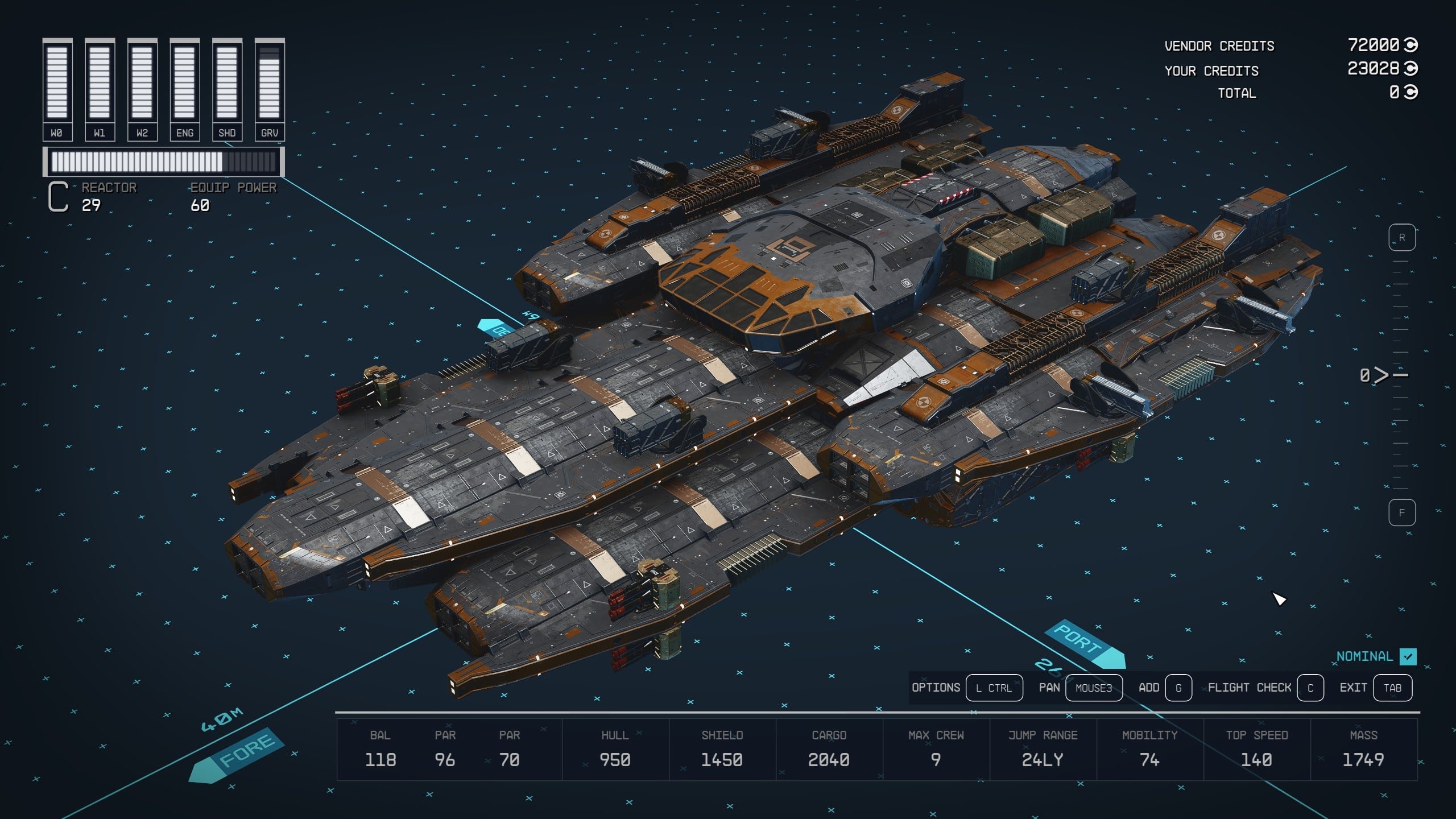
Ship Management: Your Home in the Stars
Your ship is more than just a means of transportation; it is your base and your safe haven. Learning how to manage it correctly is essential to having a good time in the game. Here’s what to keep in mind:
Upgrading Your Ship
As you progress through the game, you will start wanting to upgrade your ship. Upgrading your ship will greatly improve your survivability, inventory space, and your overall game experience. Here’s why it’s important:
- Improved combat abilities: Upgrading weapons and shields will make ship combat much easier.
- Increased cargo capacity: More cargo means you can carry more resources.
- Better travel capabilities: Upgrading your drives makes you faster and will let you travel to farther destinations.
Navigating the Star Map
Understanding the Star Map is crucial for navigation and mission planning. Use it to plan routes, discover new locations, and find places of interest. Here are some tips:
- Use markers: Add markers to keep track of important locations.
- Check systems: Always check each system before jumping to it for information on what to expect there.
- Plan your fuel: Be mindful of how much fuel you have left and plan routes with enough fuel.
Crew Management
As you progress in the game, you can hire crew members for your ship. You will meet your first crew member very early in the game. Here is why you need a good crew:
- Improve ship performance: Crew members with the correct skill sets will improve your ship’s systems.
- Provide benefits: Each crew member has its own unique ability that provides different benefits.
- Add to your experience: Some crew members have interesting back stories that can add to your experience and immersion in the game.
Choosing the right crew can improve your game greatly. Each crew member has their own skills and you will need to choose wisely.
Resource Gathering: Fueling Your Journey
Resources are an essential part of Starfield. You’ll need them to craft items, modify your gear, and upgrade your ship. Here’s what you need to know about gathering resources:
Scanning Planets
Before you begin gathering resources, scan the planets you are exploring. Here’s what you need to know:
- Identify resources: Scanning reveals the resources that a planet has to offer.
- Find special locations: Scanning can also reveal points of interest.
Mining and Harvesting
Once you have a sense of the resources that are available on a planet, it’s time to mine and harvest them. Here’s how to do it:
- Use your Cutter: Your Cutter tool is used to mine resources.
- Harvest from plants: Some resources can be harvested from plants you encounter.
- Look for containers: Explore the area carefully for containers with resources.
Outposts: Long-Term Resource Generation
Building outposts is the key to getting lots of resources. Outposts can produce resources automatically without you having to constantly mine. Here is how you can benefit:
- Automated resource generation: Outposts can generate resources while you are exploring.
- Customization: Outposts can be customized to fit your needs.
Setting up outposts early is an important step in your adventure. They are an essential part of the game and allow you to be self sufficient, and don’t forget to link multiple outposts together for resource transport!
Understanding Combat
Combat is an important part of Starfield and learning how to fight effectively is crucial to survive. Here are some important tips.
Different Types of Combat
Starfield features both on-foot combat and space combat, each requiring different skills. On-foot combat is when you use melee and ranged weapons, whereas space combat is when you are piloting your ship. Understanding how they work is essential to survive.
Using Cover and Movement
In on-foot combat, using cover is important to minimize damage. You also should learn how to move tactically, flanking enemies and avoiding their attacks. Mastering movement can make a huge difference.
Ship Combat Strategies
Space combat requires some understanding of your ship and enemy attack patterns. Use your ship’s shield, weapons, and boosters to your advantage. Upgrading your ship often helps with this as well.
Exploration and Discovery
Starfield is a game that puts emphasis on exploration. Learning how to explore effectively will greatly improve your game experience. Here are a few tips on what to look out for.
Scanning Everything
Scanning is a key part of exploration. Scanning new things gives you experience, but it also provides valuable information about the world. Be sure to scan all plants, animals, and structures that you come across.
Following Your Curiosity
Don’t be afraid to veer off the main path and see what there is to see. There are lots of hidden things, from side quests to rare items, and you won’t find them if you are always on the main questline.
Taking your Time
There is no time limit for exploring. Relax and enjoy the journey. Don’t be afraid to stop and take a look around, there is always something new around the corner.
Starting Starfield can feel like a lot, but with a little planning and a good understanding of the core mechanics, you will have a blast. Remember to take it slow, explore the world around you, and always be ready to learn new things. The universe is vast and waiting for you to make your mark, so enjoy the ride.
Starfield Guide: BEST Early Skills To Get First
Final Thoughts
Focus on early skills, ship selection, and resource gathering. These actions are crucial for a successful initial game experience. Prioritize early quests, they will provide valuable gear and experience. Careful character build is a must for long-term progress.
Ship choice drastically affects early exploration. Start with a balanced ship to manage different situations. Begin resource collection early, they are vital for crafting and upgrades. Remember, “Starfield most important aspects at start” influence later game.

