
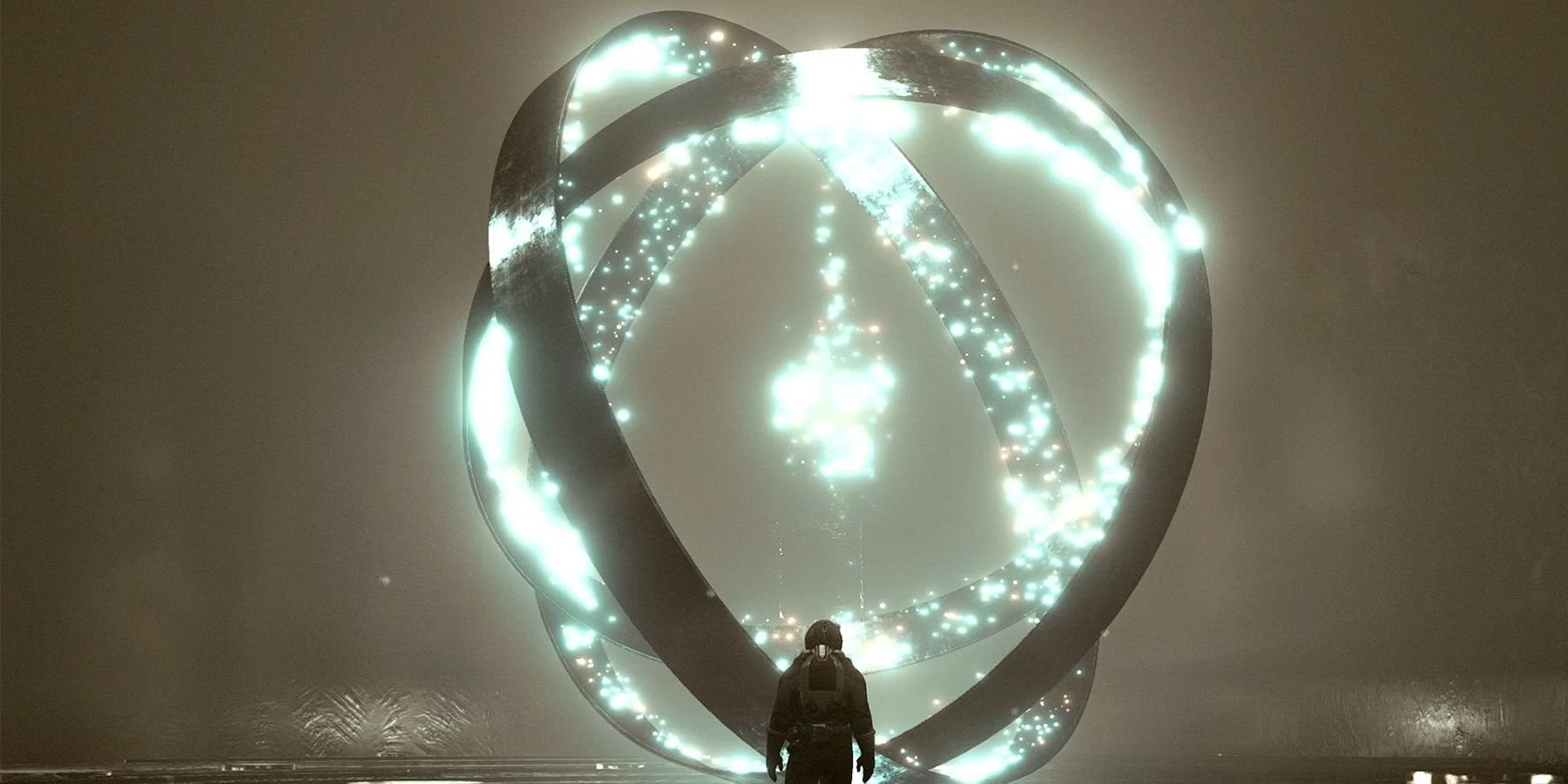
The main Starfield philosophical themes in story explore humanity’s place in the vast cosmos, questioning the meaning of existence, free will versus destiny, and the ethical implications of technological advancement.
Space, that endless canvas of stars, beckons us to ponder. Starfield philosophical themes in story are woven into its narrative, prompting players to consider big questions. The game makes us think about our purpose amid a universe that feels both beautiful and indifferent.
We grapple with choices that challenge our morals, forcing us to decide what kind of legacy we want to leave in the cosmos. It’s not just about exploring planets, but also our inner selves.

Starfield Philosophical Themes in Story
Starfield isn’t just about exploring cool planets and shooting space pirates; it dives deep into some big questions about life, the universe, and everything. The game cleverly weaves these philosophical ideas into its story, making you think as much as you play. It’s not just about missions; it’s about pondering what it means to be human (or whatever you choose to be) in a vast cosmos. So let’s blast off into the core ideas Starfield presents.
The Nature of Humanity and Identity
At its heart, Starfield asks, “What makes us who we are?” In a galaxy where you can be anything from a space trucker to a fearless explorer, the game forces you to consider your own path and what defines you.
The Blank Slate Protagonist
Unlike some games where you step into the shoes of a pre-made character, Starfield often starts you with a blank slate. You choose your background, skills, and even your looks. This means your identity is shaped by the choices you make throughout the game. Are you going to be a hero or a scoundrel? Will you side with powerful factions, or forge your own path? These choices, these experiences, gradually construct who your character is within the game’s universe, reflecting a real-world idea that our identities are not fixed, but rather a collection of the choices we’ve made and the experiences we’ve lived. The game is effectively asking you to question what the core of our identities truly are. Are they pre-determined, or are they created by us? This concept of the blank slate also allows the player to project their own beliefs, desires, and morality onto the protagonist, making the philosophical explorations within the narrative more personal and impactful.
The Constellation Crew and Varied Perspectives
The people you meet also bring their own unique perspectives on what it means to be alive and exist within the galaxy. The Constellation crew, your main companions, are a fantastic example of this. Each character has their own backstory, motivations, and philosophical outlook. Sarah Morgan is all about exploration and pushing the boundaries of knowledge, whereas, Barrett is more interested in the wonders of the universe and the “magic” of discovery. Their interactions and reactions to the events in the game offer diverse viewpoints, forcing you to consider the multitude of ways one could view life in space. For example, when encountering alien artifacts and phenomena, the differing perspectives of your crewmates will often present you with ethical and philosophical dilemmas. This pushes the player to consider their own morals and perspectives and question the definition of humanity itself. It is through this collection of diverse viewpoints that Starfield asks us to question if there is a universal human nature or if it is a series of diverse expressions of humanity.
The Role of Technology and Its Impact
In Starfield, technology is both a gift and a potential curse. The game showcases how advancements can improve life and make the vastness of space accessible, but also how it can lead to moral compromises and even destructive capabilities. Think about the advanced tech used in space travel. It’s a marvel, but the game presents it in a way that makes you consider its wider implications. What price do we pay for progress? Is pushing the boundaries of technology worth the risks? These questions are presented throughout the game as you engage with various factions, discover forgotten technologies, and witness the impact they have on the galaxy and its inhabitants. The game also delves into the question of what happens to identity as we rely more and more on technology and how technology blurs the lines between human and machine, potentially altering what it means to be “human.”
Exploration and the Search for Meaning
Starfield beautifully presents the urge to explore and the search for answers. It taps into our innate desire to understand our place in the cosmos.
The Allure of the Unknown
The game’s central mystery revolves around mysterious artifacts and the “Unity.” What are they? Where do they come from? And what do they mean for humanity? These puzzles push you to keep going further, to unravel the universe’s secrets. This search for understanding is part of the human condition, and Starfield makes it a core part of its gameplay experience. Every new star system, every derelict space station, every alien world holds the potential for a significant discovery, not only physically but also potentially philosophical. The game makes the act of exploration a process of not only mapping the physical universe, but also mapping the philosophical landscape within ourselves. The core quest of finding the Unity, along with the discovery of the Starborn, raises questions about the meaning of existence itself.
Beyond the Stars
Starfield challenges us to consider if there’s more to life than just the here and now. The search for the Unity pushes beyond the limits of our current understanding of science and reality, suggesting that there might be deeper mysteries that can’t be answered by science alone. Do we need to find meaning beyond our physical universe? Does the answer lie among the stars, or is it something we create ourselves? The game doesn’t offer concrete answers to these questions; instead, it gives players the freedom to explore their own conclusions. The game uses exploration to ask us about our place in the grand scheme of things, while raising the question, is the meaning of life something we are meant to discover, or create? This sense of existential exploration is a vital part of the story.
The Value of Discovery
The game shows how discoveries, big or small, can change how we think about the world. It could be discovering an alien species that challenges what we know about life or finding a long lost record from the old Earth. Each piece of the puzzle gives you new perspectives on the universe. It highlights how the process of discovery, and the knowledge we gain, can transform our understanding of our surroundings, ourselves, and the universe. This is represented through the in-game lore and storytelling. Through uncovering old Earth data, the player not only learns about the world’s past but also reflects on how the past has shaped the present and will influence the future. The thrill of discovery in Starfield isn’t just about finding new locations; it’s about expanding our intellectual and philosophical horizons.
Moral Dilemmas and the Cost of Progress
Starfield isn’t afraid to present difficult moral choices. These choices often have real consequences, forcing you to grapple with complex issues.
The Weight of Decisions
The game often puts you in situations where there are no easy answers. Do you side with the powerful corporations or the downtrodden? Do you prioritize personal gain or the greater good? These choices force you to confront your own values and consider the potential fallout of your actions. The game uses these dilemmas to raise questions about the very nature of morality and whether there is such a thing as universal right or wrong. These dilemmas often come with significant trade-offs, forcing the player to question the value of their own morality. The idea that there are consequences for each action the player makes is one of the strongest philosophical elements of the game.
The Ethics of Scientific Advancement
As you explore, you’ll come across examples of scientific experiments that raise ethical concerns. Do we have the right to tamper with nature? Where do we draw the line in the pursuit of knowledge? The game challenges us to consider if there is a limit to scientific discovery and if there should be a moral guideline for scientific endeavors. When encountering technologies that raise questions of moral concerns, the game asks the player to think about the cost of progress. The game uses the idea of scientific progress to raise the question, do the ends ever justify the means?
Power and Responsibility
Throughout your journey, you’ll often wield considerable influence. You might lead factions, make peace between warring groups, or even decide the fate of entire settlements. With power comes responsibility, and the game illustrates how easily that can be misused. The game pushes the player to think about the role of power in society and the idea of what it means to be a responsible leader. The game raises questions about our responsibility to others, even when our actions are made on behalf of others. The way that the player manages their power and how it shapes the universe around them forms one of the strongest philosophical elements of the game.
The Nature of Reality and Perception
Starfield playfully messes with your perceptions of reality, leading you to ask if what you see is really what is.
Subjective Reality
Starfield plays around with the idea that everyone has their own unique viewpoint, their own “reality.” What you might see as a great achievement, someone else might view as a tragic failure. The game showcases the many different perspectives that exist on the same events and emphasizes how each person interprets situations in their unique way, as it is shaped by their experiences and personal beliefs. The game is using the game medium to show the idea that reality is not necessarily an objective truth, but instead can be a subjective experience. By being exposed to differing opinions, the player is forced to think about their own subjective reality and consider how their own experiences have influenced it.
The Glitch in the System
Sometimes, things in the game get a little weird. Glitches, strange artifacts, and events that defy logic can make you question what’s actually going on. These moments add an element of uncertainty and challenge us to think about the limits of our understanding of reality and the universe itself. These glitches often lead to deep philosophical questions about our perceptions of reality, as they force us to consider whether our universe is stable or is subject to change.
The Unity and Transcendence
The concept of the Unity itself blurs the lines between what we consider real and unreal. Is it a higher plane of existence? A different dimension? Or just a metaphor? The Unity, in this sense, is a major source of philosophical contemplation that pushes the boundaries of our usual conceptions of reality. By making the Unity the central mystery, the game challenges players to grapple with their own interpretation of what is real, unreal, and what may be possible beyond the realms of our usual perception. The idea that we could surpass our normal understanding of reality by reaching the Unity is one of the biggest philosophical concepts of the game.
Existentialism and Free Will
Starfield explores the core existential question of “what’s it all about?” in a very engaging way.
Making Your Own Purpose
Starfield doesn’t give you pre-defined goals; instead, it encourages you to make your own meaning in its universe. You are the author of your own story and you are free to live in the game as you see fit. You can choose how you want to interact with the various factions, the various planets, and the various people you encounter. The game emphasizes that there is no ultimate destiny for the player, but instead the player is able to make their own choices and create their own goals. The game suggests that the freedom to create your own purpose in the game world, also applies to the real world. The existential question of “what is the meaning of life” is answered through the act of creating your own meaning through free choice.
The Illusion of Choice vs True Agency
While Starfield gives you a great deal of freedom, the question of whether you truly have free will within the game’s confines is a key point to ponder. Do your actions really change things in a meaningful way, or is the game just giving you the feeling of agency while being on a predetermined path? This brings up the idea of whether we, in reality, have true free will or is it a feeling we have to make ourselves comfortable? Starfield is using its game structure to make you think about the nature of free will and if our choices are truly our own, or influenced by forces beyond our control.
The Value of Experience
The game suggests that even if there isn’t a pre-set purpose, the experiences we have along the way are still valuable. The exploration, the challenges, and the relationships you make all contribute to a meaningful journey through the stars. Starfield asks us to ponder if the meaning of existence is not an answer we find, but the sum of the various experiences we have in life. The game offers the player the ability to have meaningful experiences that the player can carry within themselves and take into the real world.
In short, Starfield isn’t just a space adventure, it’s a thinking person’s game, encouraging us to explore not just planets, but ideas and concepts. It uses its vast universe and engaging story to make you think about the big philosophical questions of what it means to be alive and our place in a huge, mysterious universe. This ability to prompt genuine thought and contemplation is a major reason why the game has connected with so many.
Starfield invites us to look beyond the stars and delve into our own minds and hearts, making us ponder our choices and their repercussions. It encourages us to reflect on the very essence of our own existence. The game doesn’t just provide a story to play, it gives us a mirror to reflect on the complexities of humanity, morality, and our place in the cosmos.
Starfield's Ethical Dilemma: The Emissary vs. The Hunter – Deep Dive
Final Thoughts
Starfield presents questions about humanity’s place in the cosmos. The narrative explores purpose and meaning in a vast, indifferent universe. Players grapple with choices reflecting different philosophical stances.
Ultimately, Starfield philosophical themes in story prompt introspection. The game asks us to consider our own values as we navigate its worlds. It provides a rich text for contemplating existential questions.

