
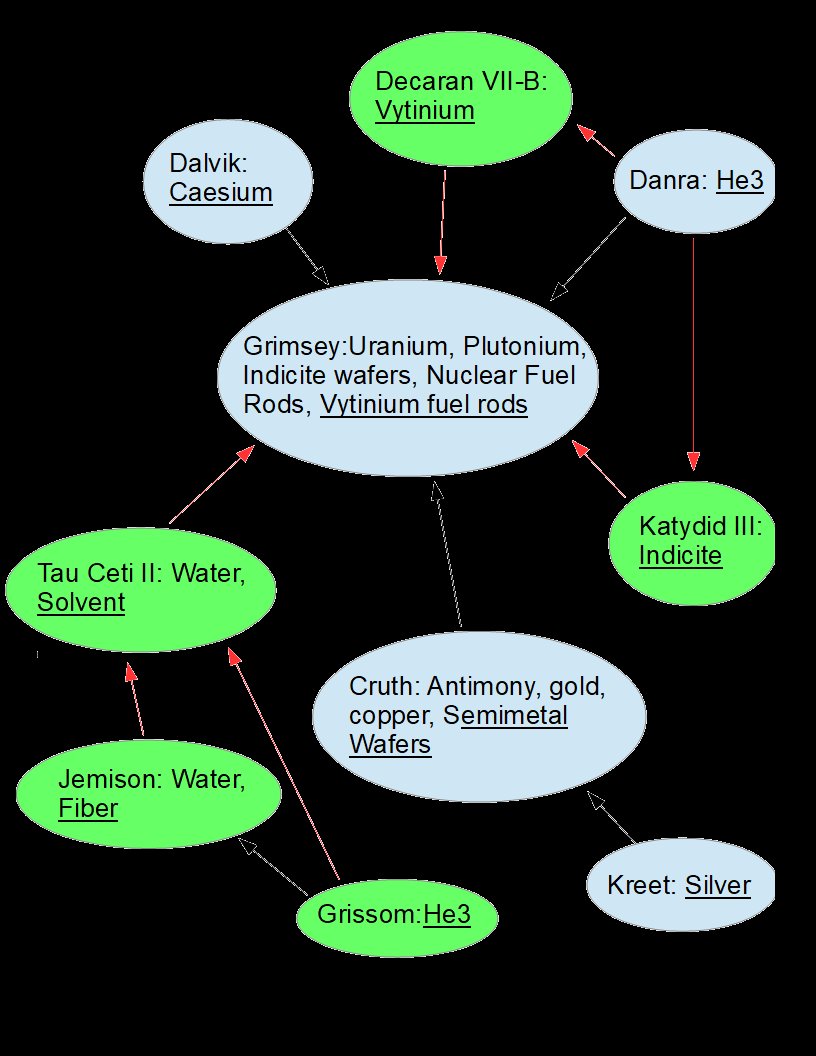
The most efficient Starfield supply chain optimization requires strategic placement of outposts, prioritizing resource extraction, and using cargo links to move materials effectively across star systems.
Dealing with resource shortages can really slow down your progress in Starfield. Efficient movement of goods is critical. This is where effective Starfield supply chain optimization comes into play. It’s about establishing a network.
Setting up outposts on resource-rich planets forms the foundation. Then, carefully plan your cargo links to facilitate quick transport of needed items. Proper planning speeds your crafting and base-building efforts.

Starfield Supply Chain Optimization: Getting the Most Out of Your Resources
Alright, space explorers! You’ve bravely jumped into the vast world of Starfield, and you’re probably starting to realize that just exploring planets isn’t enough. You need stuff – lots of it! And that’s where supply chain optimization comes in. Think of it like making sure you always have the right tools and materials at the right time. No more running out of med packs when you’re facing a nasty alien creature. Let’s dive into how you can become a supply chain whiz in the Settled Systems.
Understanding the Basics of Starfield’s Economy
Before we get into the nitty-gritty of optimizing your supply chain, it’s important to understand how the Starfield economy works. It’s not just about buying and selling things; it’s about resource management, crafting, and making the best choices for your needs. This section will give you the essential knowledge you need.
Resources: The Building Blocks of Everything
Resources are the key to everything in Starfield. From building outposts to crafting weapons, you need a variety of resources. Some common ones are:
- Iron: Used for basic crafting and building.
- Aluminum: Essential for more advanced structures and mods.
- Copper: Often needed for electrical components.
- Helium-3: Crucial for powering your ship’s grav drive.
- Adaptive Frames: For crafting various structures and mods.
These resources can be found by mining them from planets, buying them from vendors, or sometimes even looting them from defeated enemies. The most efficient method is based on what resource you need and what you’re willing to put in time for.
Outposts: Your Resource Hub
Outposts are the heart of your supply chain. They allow you to:
- Mine Resources: Set up extractors to pull minerals from the ground.
- Manufacture Goods: Build industrial workstations to create more complex items.
- Store Materials: Keep your resources in one place.
- Establish Trade Routes: Transfer resources between different outposts using cargo links.
Without well-planned outposts, your supply chain will struggle, so getting a grip on outpost building is essential.
Crafting: Turning Resources into Gear
Crafting in Starfield is not just about creating items. It’s a key part of resource usage and optimization. You can craft:
- Weapon Mods: Improve your weapons and make them more powerful.
- Armor Mods: Increase your protection and special stats.
- Aid Items: Create medical supplies, food, and drinks.
- Outpost Components: Expand your outposts with new buildings and tools.
Understanding crafting recipes and what resources you need is essential for effective resource management. Don’t just craft randomly; plan what you need and make it count!
Mining and Resource Extraction Strategies
Mining is often your primary method of obtaining resources in Starfield. However, not all planets are created equal, and there are ways to get the most out of your mining efforts.
Finding Resource-Rich Planets
How do you know which planets are best for mining? Here’s what to look for:
- Planet Survey Data: Use your scanner to identify resource deposits on a planet’s surface. Look for planets that have multiple resources that you need.
- Resource Abundance: Some planets have more of a certain resource than others. Pay attention to resource concentrations, it will be worth it.
- Planetary Conditions: Be mindful of planetary temperatures, and gravity as those could hinder the resource gathering.
- Ease of Landing: Select landing locations that allow easy access to resource deposits.
A good strategy is to start with easy-to-mine resources like Iron and Aluminum and then move towards more advanced resources as you progress through the game.
Setting Up Efficient Mining Operations
Once you have found a good resource-rich planet, follow these steps to set up a profitable mining operation:
- Choose the right Extractors: Use the right type of extractor for the type of resources you want to extract.
- Place Extractors Strategically: Place extractors directly over the resource deposits, marked on your scanner.
- Build Power Generators: Ensure you have adequate power to run your extractors. This is very important as it will stop the mining if the power goes down.
- Storage Containers: Build storage containers to store the extracted resources.
- Automated Cargo Links: If you have outposts on multiple planets, you could link them together for transferring the resources.
Using these strategies, your outpost will become a smooth-running resource production hub, always ready to supply you with the resources you need.
Advanced Mining Techniques
As you get further into the game, you may need more complex mining methods. Consider these:
- Geothermal Extractors: These use the heat from the planet to generate power. You should set these on the planets with active geothermal activity.
- Inter-System Cargo Links: These can transport resources between your outposts in different star systems.
- Optimized Extractor Placement: Overlap extractors to get the most out of each resource deposit.
Advanced methods will require some research and resource investment but will improve efficiency in the long run.
Crafting and Manufacturing Efficiency
It is not enough to gather raw materials, you must convert them to useful items through crafting and manufacturing. Let’s look at some ways you can make the crafting process more effective.
Planning Your Crafting Projects
Before you start crafting, you must have a plan. That plan should include:
- Knowing your needs: Make sure you only craft what you need. Don’t just build items because you can.
- Recipe research: Learn new recipes to get the most out of your resources.
- Resource Management: Check your resource inventory before starting the crafting process.
- Prioritization: Focus on crafting items that provide the most benefit for your current needs.
Careful planning will reduce wasted resources and improve your supply chain greatly.
Optimizing Crafting Stations
Your crafting stations should be set up to maximize efficiency. You could achieve that by:
- Strategically placing stations: Put the crafting stations close to your storage and resources.
- Using workbenches: Each workbench is designed for specific crafting. Use the right workbench for the right job.
- Using Mods: Equip crafting stations with mods that make them faster and more efficient.
A well-placed crafting area will make the whole process faster and more efficient.
Advanced Manufacturing Techniques
As you become more experienced, you will want more complex manufacturing solutions. Try these:
- Industrial Workbenches: These are for creating advanced components and structures.
- Automated Production Lines: Design automated production lines to move resources and crafted items automatically.
- Batch Processing: Create multiple items at the same time instead of one by one.
Advanced manufacturing will help you generate complex items and components quickly and easily.
Trade Routes and Supply Networks
Creating trade routes and supply networks will help you to keep your resources flowing efficiently between outposts. Here is how you can achieve that:
Setting up Cargo Links
Cargo links are the key to efficient supply chains between outposts. There are a few things you should keep in mind while using them:
- Choosing the Right Link: Use regular cargo links for intra-system transfers and inter-system cargo links for transfers across star systems.
- Link Placement: Set up cargo links between your resource-rich outposts and your primary outposts.
- Managing Cargo: Ensure that your cargo links are correctly set up to transfer the necessary resources.
Carefully planned cargo links will make sure that all your outposts get the resources that they need.
Managing Your Trade Network
Your trade network should be easy to use and efficient. Things you can do include:
- Centralized Hubs: Build a central hub that receives resources from all other outposts.
- Resource Monitoring: Check your resource levels to see if you have enough of the things that you need.
- Demand Planning: Make sure your trade network provides all needed resources to the outposts that need them.
With a well-managed trade network, your resource flow will be constant, and your crafting needs will be met.
Advanced Trade Strategies
For more complex supply chains, try these approaches:
- Trading with Vendors: Sell excess resources and purchase items that you cannot find in the game.
- Trading with Ships: Keep an eye on passing ships that you could buy or sell resources from.
- Optimize Trading Routes: Find the shortest, most efficient routes for your cargo ships.
Using these advanced trade methods will make your trading network very efficient and profitable.
Tips and Tricks for Supply Chain Optimization
Now, let’s look at some tips and tricks that will help you optimize your supply chain.
Prioritizing Resources
Not all resources are equally important. It is important to identify your key resources and keep them stocked, like:
- Helium-3: Essential for powering your ship’s grav drive.
- Adaptive Frames: Used for a wide variety of structures and mods.
- Med Packs: Needed for keeping yourself in perfect health.
Focus on gathering these first.
Automating Tasks
Automation can greatly improve the efficiency of your supply chain. Things you can automate include:
- Automated Mining: Set up your extractors and cargo links to work without constant intervention.
- Automated Manufacturing: Set up your crafting stations to make items by themselves.
- Automated Trade: Use cargo links and vendors to automatically sell or buy items.
Automating tasks saves you time and effort, freeing you up to do other important things.
Using Skill Points Wisely
Skill points can improve the efficiency of your supply chain. Choose the skills that will help you like:
- Outpost Management: Gives you the skills to manage and build better outposts.
- Planetary Habitation: Enables you to create outposts in harsh conditions.
- Crafting and Engineering: Skills that improve crafting and manufacturing processes.
Carefully choosing the skills will benefit your supply chain greatly.
Continuous Improvement
The most important thing about optimizing your supply chain is that you always look for ways to make it better. This includes:
- Reviewing Your Setup: Always check your outposts and systems to see if they are working well.
- Making Adjustments: Change your strategies as needed.
- Learn from Others: Learn the tricks and methods from others.
Constantly reviewing and improving your supply chain will help make it as smooth as possible.
Optimizing your Starfield supply chain is not a one-time task; it’s an ongoing process. By understanding the game’s economy, setting up efficient outposts, mastering crafting, and establishing trade routes, you can ensure a steady flow of resources. With these things in place, you’ll be well-equipped to explore the vast universe, craft powerful gear, and build the life you want in Starfield. Always remember that each adjustment, each new efficiency will bring you closer to the most optimized supply chain.
Starfield outpost guide 2.0, beginner to expert FAST, outpost tips and tricks, cargo links, building
Final Thoughts
Efficient resource management is key to thriving in Starfield. Players should prioritize establishing reliable trade routes between outposts. This reduces travel time and maximizes profits.
Careful selection of resource production sites significantly impacts output. Focus on materials most needed for crafting and research. A well-organized system prevents bottlenecks.
Starfield supply chain optimization is vital for continuous progression. This helps you maintain crucial supplies and expand your influence in the game. Players who get this right, will surely go far.

