
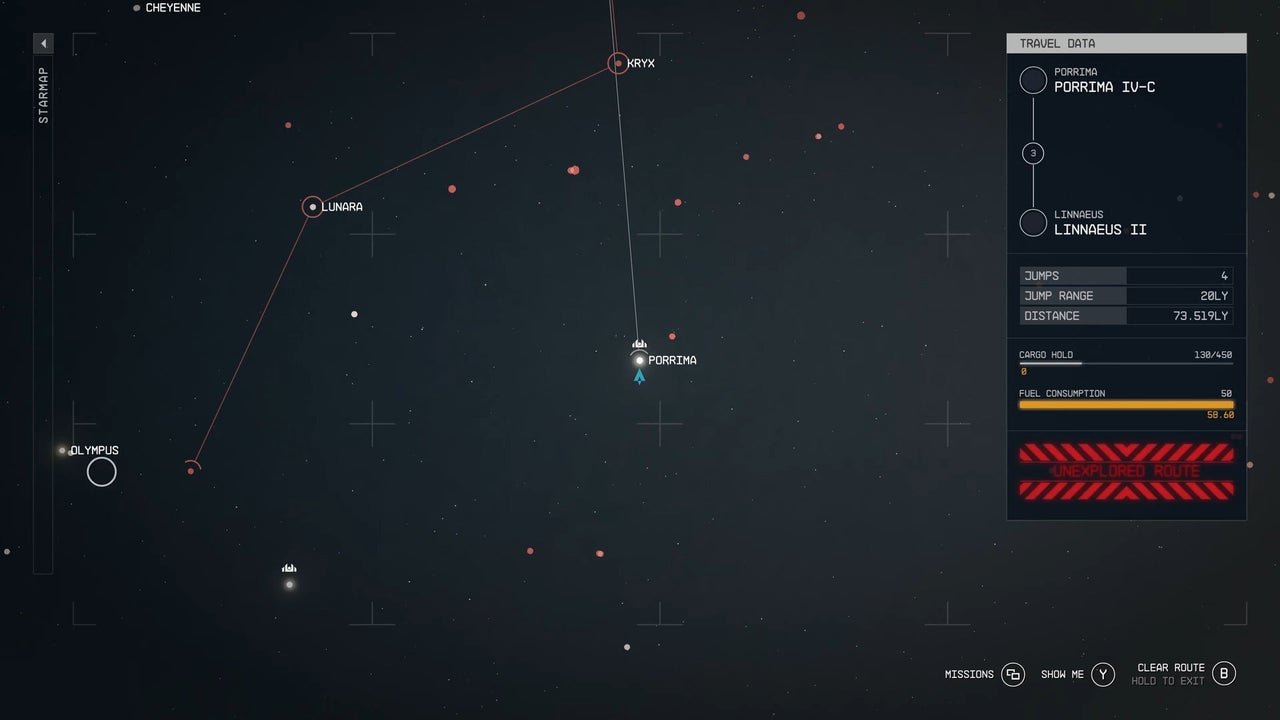
Starfield trade routes in the galaxy involve buying low in one system and selling high in another, paying close attention to supply, demand, and potential dangers along the way.
The vastness of space in Starfield presents exciting opportunities, but also challenges. Players constantly seek the most efficient pathways to profit. Navigating these interconnected systems and finding the best markets is key.
Exploiting the economic differences between planets becomes a crucial part of the experience. Understanding the flow of goods and resources is critical to succeeding at Starfield trade routes in the galaxy. Successful traders will quickly become wealthy.

Starfield Trade Routes in the Galaxy
Let’s jump into the exciting world of trading in Starfield! Imagine you’re a space trucker, but instead of highways, you have the vast emptiness of space, and instead of goods like groceries, you’re carrying valuable resources, rare artifacts, and maybe even some space-age toys. The trade routes in Starfield are how you make your mark, earn your credits (the game’s currency), and explore the amazing galaxy. It’s a big part of what makes the game so much fun.
Understanding the Basics of Starfield Trading
Before you become a trading mogul, there are a few things you should know. Trading isn’t just about buying low and selling high (though that’s a big part of it!). It involves understanding different economies, knowing where certain goods are in demand, and even dealing with potential dangers.
What are Trade Goods?
In Starfield, trade goods are just items that you can buy and sell for profit. They can be anything from raw materials like iron and copper to manufactured goods like electronics or even exotic foods. Some items are common, while others are extremely rare and fetch a high price. Understanding the different categories is key to making smart trading choices. These categories include:
- Raw Materials: These are things you mine or gather from planets, like metals, minerals, and organic compounds. They are often the building blocks for more complex items.
- Manufactured Goods: These are items that have been created using raw materials. Think of ship parts, weapons, and sophisticated tech.
- Luxury Items: These are often rare or unique goods that are in high demand, things like artwork, antiques, and even some forms of space-age clothing.
- Contraband: Certain items are illegal in certain systems. Trading them can come with risk but also a high potential reward.
Where to Trade?
Every major settlement and space station has its own market or vendor. However, not all places are created equal. Some places have high demand for certain things, and others will buy other goods for higher prices. Some places to look for trade opportunities include:
- Major Cities: Cities like New Atlantis on Jemison or Neon on Volii will have multiple vendors and usually offer varied goods and demands.
- Space Stations: Many space stations around planets are primarily trading hubs. They can be great locations for buying and selling goods.
- Mining Outposts: These locations will usually have a demand for tools and equipment, and a surplus of raw materials.
- Research Facilities: These may have a demand for specific rare resources or data.
How to Make a Profit
The basic idea is simple: Buy low, sell high. This means finding places where a particular item is cheap and then traveling to a place where that same item is expensive. But, there are ways to get an edge.
- Supply and Demand: The core of trading revolves around the concept of supply and demand. If something is plentiful in one location, it will likely be cheap. If it’s scarce in another, the price will be higher.
- Faction Relationships: Improving your relationships with certain factions can provide better prices or access to unique goods.
- Trading Skills: Investing in skills that impact trade can give you an advantage such as improving your bartering skills and being able to haul more items in your ship.
Navigating the Starfield Galaxy for Trade
The galaxy in Starfield is vast, and the trade routes that you take are a key part of the experience. The routes aren’t always a straight line from A to B, there are variables to consider.
Mapping Your Routes
Figuring out good trade routes takes a bit of work, but it’s part of the fun. There’s no single right way to do it, but here are some things to keep in mind when plotting out routes:
- The Starmap: Use the starmap in your ship to understand the different star systems and their resources.
- Planetary Resources: Knowing what resources each planet has will help you find locations where you might find a specific goods. Some planets are rich in iron, others in organic compounds, and others might have unique resources.
- Connecting Systems: Look for systems that have good trade connections with each other. This is where you can establish a loop.
Example Trade Route
Let’s create a basic example. You might start at a mining outpost on a planet rich in iron. You purchase a large quantity at a low price. Then, you jump to a nearby city that is known for its production of ship parts and sells the raw iron at a higher price to them. From there you might buy manufactured ship components to sell them to a trading hub in another system. The key is to create a loop where you continuously generate profits.
Risks on the Trade Routes
It’s not always a smooth ride in space, even if you’re just a trader. Here are a few things that can make trading a bit more challenging:
- Pirates: Space pirates will try to raid traders if they get the chance. It is a good idea to have weapons to defend yourself, or pay someone to escort you to your destination.
- Encounters: You might run into random encounters while traveling that can throw off your plan, these can include smugglers or even someone needing help.
- Ship Damage: Flying your ship, especially in combat, can result in costly repairs, reducing your overall profit.
Advanced Trading Strategies
Once you have a handle on the basic trading process, you can start implementing more advanced techniques to maximize profits and efficiency. This is where the true traders begin to stand out.
Understanding Economic Shifts
The in-game economies are dynamic and react to events, both player driven and system generated. If there is a large outbreak on a planet, for example, resources might become more expensive as people are less able to produce them. Keep an eye on news feeds and the state of the different markets. This is very important for a successful trading career in Starfield.
Farming and Manufacturing
You can establish your own outposts in Starfield, and these outposts can be used to generate the resources you need for trading. You can create entire bases that mine, refine, or even manufacture goods, these items can then be used in trading or sold to vendors directly. If you invest enough time in this, you can make large amounts of profit.
Specialized Trading
Consider becoming a specialist and trade in a certain type of goods. Focus your trading on very profitable items such as rare artifacts or even contraband that will net you higher profits but come with higher risks. This can also be done with more specialized trade goods for specific groups or people, creating repeat customers that rely on your services.
Optimizing Your Ship for Trade
Your ship is your lifeline in Starfield, and choosing the right ship is key for a successful trading business. Here is what to look for:
- Cargo Space: Your ship’s cargo capacity is the most important factor for a trading business. The more you can carry the more you can sell.
- Speed and Maneuverability: Having a ship that is both fast and maneuverable is great for getting around in the galaxy and getting away from dangerous encounters.
- Defensive Capabilities: The stronger your ship is in terms of shields and weapons the better you can defend yourself from pirates, and increase survivability.
Using the Trading Kiosk
Every major trading location has a trading kiosk. The trading kiosk helps you keep track of prices, and trade goods you want to purchase. This way you can buy goods faster and easier than looking at each vendor individually. Utilizing the kiosk is crucial for maximizing your profits.
Tips for Becoming a Successful Starfield Trader
Now that you understand the system, here are some final tips to help you become a successful trader in Starfield. Remember that practice and experience are the best teachers.
- Start Small: Start with a manageable amount of goods and gradually increase your volume as you gain experience.
- Keep Records: It’s important to keep track of your routes and the prices. Keep an eye on your sales and create a log of your profits.
- Take Risks: Sometimes taking a risk with a rare item can really payoff in a big way, but be prepared for the consequences.
- Be Patient: Trading takes time and there will be periods of small profits, but if you stick with it, it will all pay off in the end.
- Explore: Don’t be afraid to explore the different locations in Starfield. The more you see, the more trade routes you will find.
Trading in Starfield is more than just buying and selling, it is an integral part of the experience. It’s a way to explore the galaxy, make money, and even influence the in-game economies. It’s a path that requires patience, resourcefulness, and a little bit of courage. So, strap into your cockpit, plot your course, and get ready to chart your own trade routes!
Trade Routes in No Man's Sky Explained and How to Utilize Them
Final Thoughts
Efficiently navigating Starfield trade routes in the galaxy becomes crucial for prosperity. Players will find profit through careful route planning. Trading at various outposts will get you the best returns.
You can optimize travel by assessing each system’s demands and resources. Consistent trading along well-established paths guarantees income. Exploring and finding profitable Starfield trade routes in the galaxy adds to gameplay.

