
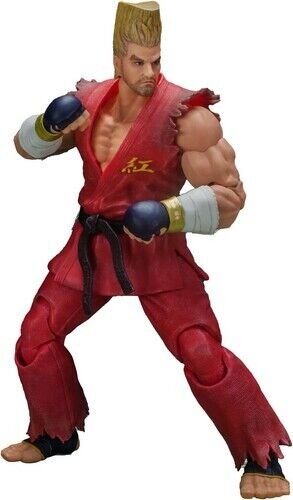
Understanding opponent tendencies and patterns is key to successfully anticipating opponents actions in Tekken 8, allowing players to predict their moves and create effective counters.
Stepping into the arena of Tekken 8 means more than button mashing; it’s about reading your rival. Figuring out how to predict your foe’s next move is a skill that separates good players from great ones. Tekken 8 anticipating opponents actions requires careful observation of their style and habits.
Do they tend to throw a lot of high attacks? Perhaps they always try to mix things up with lows after a particular sequence? Paying close attention to these patterns is essential to victory. This awareness allows you to get an advantage, setting you up for counter opportunities and dominating the match.

Tekken 8: Anticipating Opponent’s Actions
So, you’re diving into the world of Tekken 8, huh? It’s a wild ride of punches, kicks, and amazing combos. But to really become a top-notch player, you can’t just button-mash. You need to learn how to anticipate what your opponent is going to do next. Think of it like a game of chess, but with more flying fists and fancy footwork. This isn’t about psychic powers; it’s about reading the clues your opponent gives you and using that knowledge to your advantage. This skill will allow you to go from a good player to a great player.
Understanding the Basics of Opponent Behavior
Before you can predict someone’s moves, you need to understand some basic patterns. Most players, especially when starting out, have tendencies. They might like to use a certain string of attacks repeatedly, always go for a low attack at the start of a round, or be really aggressive when they’re cornered. These habits are gold for you. Recognizing these simple habits is the first step in becoming a master of reading opponents.
Recognizing Common Tendencies
Let’s break down some of these typical behaviors:
- The Button Masher: This player often throws out random attacks without much thought. They are easy to recognize, because their attacks appear disorganized. They don’t usually follow a specific pattern. Be ready to punish these reckless moves.
- The Repeat Offender: Watch out for players who rely on the same few attacks. They may love that one high kick that always seems to land, or a quick jab-jab-grab combo. When you catch their pattern, you can use defensive moves or launch your own attacks.
- The Aggressor: These players love to rush you down and attack first. They will likely use mix-ups and pressure tactics. Learn to defend against the rush to see when they are vulnerable to a counter attack.
- The Turtle: Players who play defensively tend to block a lot. They wait for you to mess up. Lure them into attacking, then punish their whiffs (missed attacks).
- The Spammer: This player over-relies on a single powerful move. They might repeatedly use a certain power attack or ranged move. Predict when they’re going to do it again and punish them.
Why Identifying These is Important
Identifying these behaviors is very important, because it allows you to see weaknesses in their gameplan. By knowing what they might do, you can plan accordingly. You’ll know when to block, when to duck, when to sidestep, or when to attack.
Delving Deeper: Beyond the Basics
Okay, so you know what button mashers and repeat offenders look like. But what about getting into the head of a skilled player? That’s where the real anticipation starts. You need to look at not just what they are doing, but why they are doing it. Are they trying to bait you? Are they trying to set up a combo? This requires more focused attention and understanding of the game mechanics.
Understanding Risk and Reward
Every move in Tekken 8 has a certain level of risk and reward. Some attacks are fast, but they don’t do a lot of damage. Other moves are slow and powerful but leave you open to attack if they miss. A good player doesn’t just throw out random attacks. They are usually calculating their moves based on risk and potential gains. Watch how your opponent balances the risk and reward of the attacks they use. This will tell you a lot about their mindset.
Recognizing Safe vs. Risky Moves
- Safe moves are those which have little recovery frames, meaning if the move does not hit your opponent, you’re not very open to being punished for it. They’re less risky and are often used to poke and prod.
- Risky moves have more recovery frames and are usually very unsafe if blocked by your opponent. These often do more damage but are riskier to use.
- Punishable moves are even riskier because if blocked or dodged, the user is left very vulnerable to a large counter attack.
Reading Their Movement
It’s not just about what buttons they press; it’s also about how they move. Their movement tells a story. Do they always walk forward? Do they love to sidestep? Do they backdash frequently? These movement patterns often mean that they are preparing for a particular attack.
Movement Patterns to Look For
- Walking Forward: They may be looking to close the distance to do close range attacks, or they are looking to start a combo.
- Walking Backwards: This is a sign they are likely trying to bait you in or trying to create space to use a ranged attack.
- Sidestepping: If they side step consistently, they may be trying to evade vertical attacks.
- Backdashing: This is a defensive technique, often to avoid your attacks or to prepare for an attack of their own.
- Crouching: Players often crouch to avoid high attacks and are probably looking for a low attack on you.
The Importance of Frame Data
Frame data might sound intimidating, but it’s actually very helpful once you understand it. Frame data shows how quickly a move starts and how long it takes to recover. Some moves might look fast, but have a long recovery time and can be punished. Looking at frame data can help you figure out which moves are safe, unsafe, and punishable and is often useful for finding openings. You can study this information by looking at online guides and resources.
Using Frame Data to your Advantage
- Punishing Whiffs: If someone uses a move that is slow and has long recovery, they will be vulnerable for a short time. You can punish this vulnerability.
- Creating Pressure: Using safe attacks in succession can pressure your opponent to make a mistake, which you can then capitalize on.
- Setting up traps: Use different string of attacks that have different timings to confuse your opponent and create openings.
Advanced Techniques for Prediction
So you’ve mastered the basics, and you’re ready to take your game to the next level. Now we can talk about some more advanced techniques for predicting opponents. It’s time to start thinking like a high-level Tekken player.
Understanding Mix-Ups
Mix-ups are all about making your opponent guess. A good mix-up forces your opponent to make a difficult decision. This often creates an opening for you. For example, if they know you love low attacks, mix up with some high attacks, or a throw, to try and throw off their defensive strategy.
Types of Mix-Ups
- High/Low Mix-ups: Forcing your opponent to guess whether you will attack high or low. If they guess wrong, you get free damage.
- Throw Mix-ups: mixing normal attacks with throws, so that your opponent doesn’t just block, but has to guess when they need to tech a throw.
- Left/Right Mix-ups: Attacks that can force an opponent to block on different sides, making it harder to block, giving you a potential opening.
- Timing Mix-ups: Deliberately changing the timing of your attacks to confuse the opponent, so that they can’t predict when the attack is coming.
Baiting and Conditioning
Baiting is when you do something to make your opponent react in a specific way. Conditioning is when you get your opponent used to a pattern of attacks. Then you break the pattern to catch them off guard. For example, you might use a certain move several times in a row to bait them into trying to punish it, then switch it up with a different move.
Examples of Baiting and Conditioning
- Baiting a Whiff: You can purposely move slightly out of range of an attack to cause your opponent to miss, allowing you to punish them.
- Conditioning a block: If your opponent often blocks high, condition them into expecting a high attack, then hit them low.
- Conditioning a grab: If you often use throws, your opponent will likely try to tech them. Then you can just hit them with a normal attack to punish their attempt to break your throw.
Mental Game
Tekken 8 is not just about the mechanics, it’s also a battle of wits. The mental game is a very crucial part of getting better at fighting games. You need to stay calm and collected, even if you are losing. If you let your emotions get the better of you, you might start playing poorly. It’s crucial to stay focused, and to not get easily tilted by anything.
Tips for a Strong Mental Game
- Stay calm: Even if you are losing a lot. Don’t get angry, take your time, and focus on learning from your mistakes.
- Adapt quickly: Don’t keep doing the same thing over and over if it’s not working, try to change your approach to the match.
- Don’t get predictable: Use mix-ups, don’t let your opponent know what you are going to do next.
- Analyze your opponents habits: Even during the game, you can still notice patterns in your opponent’s behaviors, learn to adapt and take advantage of these habits.
Putting It All Together
Learning to anticipate your opponent’s actions in Tekken 8 takes practice and patience. It’s not going to happen overnight. However, by working on the skills mentioned above, you can significantly improve your game. Start by learning the basics, focusing on reading your opponent’s tendencies, then dive into more advanced techniques. Remember to always stay focused and learn from your mistakes. The more you practice, the easier it will become.
Keep in mind that this is a constant learning process. Even the best players in the world are constantly evolving and adapting their styles. Be willing to learn new strategies and to experiment with different techniques. With enough time and dedication you’ll be anticipating your opponents moves like a pro!
Take risks and quickly anticipate the opponent
Final Thoughts
In essence, predicting your adversary’s next move is crucial to success in Tekken 8. Anticipating opponent actions lets you gain a significant edge in battles. It requires careful observation of their patterns and tendencies. This knowledge provides opportunities for effective counterattacks.
Ultimately, Tekken 8 anticipating opponents actions proves to be a vital skill. Players who grasp this will consistently overcome opponents. This tactical insight separates good players from great players.

