
Understanding frame data allows you to predict opponent’s moves and punish unsafe actions, greatly improving your Tekken 8 gameplay.
So you want to get better at Tekken 8 applying frame data knowledge? It’s not some secret cheat code, but it’s a crucial part of playing at a higher level. Frame data is basically the timeline of every move; it tells you how fast a move comes out, how long it’s active, and how long you are vulnerable afterwards.
Learning this information lets you know which attacks are safe to throw out or which moves you can punish after your opponent uses them. Understanding your opponent’s frame data is as important as knowing your character’s. This will make you a better player overall.

Tekken 8 Applying Frame Data Knowledge
Alright, let’s dive deep into the world of Tekken 8 and talk about something that can really take your game to the next level: frame data. Now, if you’re new to fighting games, or even if you’ve played a bunch, frame data might sound a bit scary, like a bunch of numbers and charts. But trust me, it’s not as complicated as it looks, and understanding it can make a huge difference. Think of frame data as the secret code to Tekken 8, telling you exactly when you can move, attack, and defend. This guide will break it down step by step, so you can use it to your advantage.
Understanding the Basics of Frame Data
Before we jump into applying frame data, let’s understand what it actually is. In simple terms, frame data refers to how many ‘frames’ it takes for a move to happen in the game. Imagine each second of gameplay broken down into tiny pieces called frames. In Tekken 8, like in many fighting games, these frames usually run at 60 frames per second. This means that a move that is “10 frames” long takes one-sixth of a second to complete.
Frame data is usually broken down into three main parts:
- Startup Frames: These are the frames before a move becomes active and can hit your opponent. Think of it as the “wind-up” time. A move with a faster startup will hit your opponent sooner, making it harder for them to react.
- Active Frames: These are the frames during which the move can actually hit your opponent. These frames indicate the period the hitbox is extended. Some moves might only have one active frame, while others could have several.
- Recovery Frames: These are the frames after a move hits (or misses) during which your character is vulnerable and cannot perform another action. If your recovery is high, you have more vulnerability.
These three elements are vital to understanding the risk and reward of a move. Fast startup moves might do less damage but can be great for interrupting. Moves with longer startup might do massive damage but leave you wide open if they miss or are blocked.
The Importance of Frame Data in Tekken 8
Now, why is all of this important? Well, in Tekken 8, just knowing the moves isn’t enough. You have to know the timing. Frame data knowledge helps you in several ways:
- Punishing Mistakes: When your opponent throws out a slow move, they are vulnerable during the recovery frames. If you know your character’s fast moves and their startup frames, you can punish them and get some free damage.
- Creating Openings: Knowing which of your moves are safe on block and which are unsafe allows you to apply pressure and force your opponent into making mistakes. Some moves that are safe on block can force opponents into disadvantage, making them react with a slower move, allowing you to punish them.
- Defending Better: If you know how long it takes for certain moves to come out, you will have an easier time predicting them and blocking or sidestepping before they connect. Some moves can be ducked on reaction or sidestepped, with frame data, you can know when and what exactly to expect.
- Understanding Your Character: Each character in Tekken 8 has their own set of strengths and weaknesses when it comes to frame data. By learning the frame data for your character, you can find their best moves for different situations.
Frame Advantage and Disadvantage
One key concept derived from frame data is frame advantage and disadvantage. If a move leaves you with frame advantage on block, it means that you can act sooner than your opponent. If a move leaves you at a disadvantage, it means that they can act before you. If you block a move and have a +3 on block, you have 3 frames of advantage, which could mean you could get a free move in with a 10 frame move. Similarly, if you are -5 on block you are at 5 frames of disadvantage, and it is unsafe for you to act. Some characters can punish you for even these small gaps. Understanding these differences will make you play safer and punish opponent mistakes.
How to Find and Read Frame Data
Okay, so where do you even get this mysterious frame data information? Luckily, it’s readily available online. There are several fantastic resources, like:
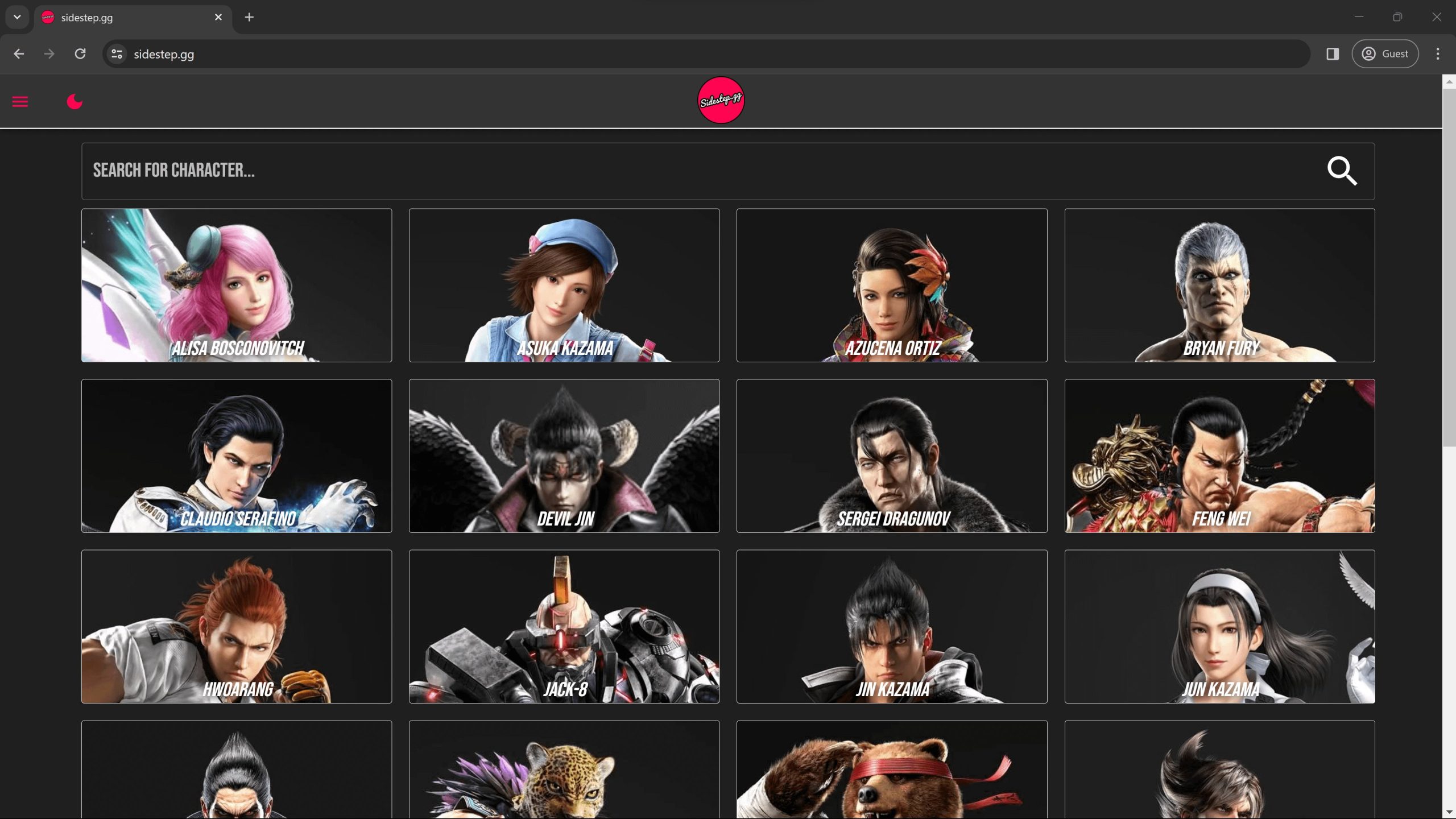
- Dedicated Tekken Frame Data Websites: These websites compile frame data for every character and move in Tekken 8. A simple search for “Tekken 8 frame data” will bring up several options. You can filter to look for specific characters or moves.
- Tekken 8 Community Forums: The Tekken community is very active. Many experienced players share their frame data discoveries and strategies on online forums and subreddits. They are very helpful when explaining the advantages and disadvantages of moves, and the punish opportunities.
- YouTube Tutorials: Many Tekken experts have created video guides that explain frame data and how to apply it. These are great if you learn better from video format.
When you look at a frame data table, you’ll typically see a few columns:
- Move: The name of the specific move being analyzed.
- Startup: The amount of frames it takes for the move to hit. Lower the startup frames, the faster the move comes out.
- On Hit: This indicates the frame advantage or disadvantage when the move connects successfully. “+ X” means you have frame advantage, while “- X” means you are at frame disadvantage.
- On Block: This shows the frame advantage or disadvantage when the move is blocked by your opponent. This is crucial for knowing if you are safe to attack after using your move.
- Notes: Any extra notes, like whether the move is a low, mid, high, or a special move type. It also sometimes indicates if the move is plus on block with specific character moves.
Don’t let these numbers overwhelm you. Start with a few key moves for your main character, and slowly add others as you get comfortable. Try to focus on safe moves, unsafe moves that give you good rewards, and moves you can use to punish your opponents moves.
Applying Frame Data Knowledge in Your Gameplay
Alright, let’s get to the meat of it. How do you actually use frame data to win more matches? It’s not just about memorizing numbers; it’s about applying them strategically.
Punishing with Precision
One of the most basic ways to use frame data is to punish your opponent for using slow moves. For example, let’s say you block a move that is -13 on block, and you know your standing 1, a basic jab, is 10 frames startup. This means you have 3 frames to spare, you can hit your opponent with a free hit. When you start incorporating these punishes to your gameplay, opponents will be more hesitant to throw out moves that are unsafe on block.
Here’s a simple example:
- Opponent: Uses a slow move ( -12 on block)
- You: Block their move.
- You: Use a 10-frame attack.
- Result: You hit them before they can recover.
Punishing with these simple moves will get you used to capitalizing on openings. After learning the basic punishes, you should learn the optimal punishes for more damage.
Playing Offensively with Safe Moves
Frame data isn’t just about punishing, but also about playing offensive while being safe. You can use moves that are safe on block (for example, a move that is +1 or 0 on block). By using moves that are safe on block, you can pressure your opponent without leaving yourself wide open. If your opponent keeps blocking, they are at a disadvantage. They must react to your moves and predict what you will do next.
For example:
- You: Use a move that is +2 on block.
- Opponent: Blocks your move.
- Result: You have frame advantage. If you choose to attack with a 10-frame move, you will hit first.
By using these safe moves, you can get your opponent to start pressing buttons and creating gaps for you to punish their unsafe moves. You can also start mixing up throws and lows, to make it harder for your opponent to predict your actions.
Defending Against Unsafe Moves
Knowing frame data also helps your defense. If you know a certain move is extremely unsafe (-15 or worse), you’ll know to be ready to punish it. On the flip side, if a move is only slightly unsafe, or safe, you know not to try and punish it and play more reserved. This will help you avoid getting hit.
Here’s a basic defensive approach:
- Opponent: Uses a very unsafe move (-15 on block).
- You: Block it.
- You: Use a move that has startup frame of 14 frames or less.
- Result: You punish them with a free hit because you blocked their unsafe move.
By learning and applying these simple tricks, you can drastically improve your defense, and start punishing players who just throw random moves.
Spacing and Movement with Frame Data
Frame data also plays into spacing and movement. By learning your opponent’s moves and their range, you can learn how to space yourself out, and use moves that will whiff punish their slow moves. When they are recovering from their missed attack, you can punish them during their recovery frames. This will help you to create more openings on your opponent.
Here is how spacing works in tandem with frame data:
- Opponent: Uses a long-range move with a long startup.
- You: Stay just outside of their range, and wait.
- Opponent: Whiffs their long-range attack.
- You: Step in with a fast attack with longer range to whiff punish them.
When you combine frame data with movement and spacing, you are no longer guessing, but playing more intelligently.
Character Specific Knowledge
Every character in Tekken 8 has different strengths and weaknesses and different frame data. This means, you need to adjust your gameplan to the matchup. For example, some characters have amazing pokes that are plus on block, this means you need to stay defensive and wait for them to use unsafe moves. Other characters are good at rushing down the opponent, and you have to try and punish their unsafe moves.
A general understanding of frame data can help you figure out how to play specific characters, and find out the optimal way to play each matchup. Here are some key things to note:
- Learn your characters best moves: Learn which of your moves are safe on block, and use them often.
- Learn your characters optimal punishes: Learn which moves are good for punishing, and learn how much damage you can get from a punish.
- Learn the weaknesses of characters you struggle against: Study frame data for the characters you struggle against, and find gaps you can exploit.
- Take time to practice in the training mode: Frame data is only one part of Tekken. You must spend time in the training mode to practice your movement, spacing, punish, and combos.
Starting Simple
Don’t feel like you need to know every single frame data detail to start improving. Begin with the basic tools like jab punishes, and safe moves. You can learn more as you grow as a Tekken player. Don’t try to remember all the numbers; focus on concepts and how they affect your gameplay. The goal isn’t to become a frame data robot, but rather to develop an intuitive understanding of when you can act and react.
Practice Makes Perfect
Learning frame data is only one step. The next crucial step is applying it in your matches. Spend some time in the training mode to test out your character’s moves and learn how they interact with frame data. Practice your punishes, safe attacks, and defense. Then, take what you have learned into real matches against other players. As you apply what you learned about frame data in your matches, it will slowly get imprinted into your brain, and you will no longer be just guessing, but making conscious decisions based on the game state.
Start slow, learn basic punishes and safe moves, then slowly start including more frame data knowledge into your gameplay. This will make you play a more effective game in Tekken 8.
Remember, becoming good at Tekken 8 takes time and effort. Don’t feel discouraged if you don’t see results right away. By taking the time to understand frame data, you’ll see a big boost in your performance over time. Keep learning, keep practicing, and keep improving.
Understanding and applying frame data knowledge is a significant factor in improving at Tekken 8. It gives you the tools needed to understand why moves work and why they don’t, and helps you make more informed decisions in the matches. By consistently learning frame data, practicing with it, and applying it to your matches, you will drastically improve as a Tekken 8 player, and move past button mashing.
Improve IMMEDIATELY After Watching This Vid Pt. 2 – Block Punishment / Frame Data Tekken 8 Guide
Final Thoughts
Effectively using frame data in Tekken 8 separates good players from great ones. Understanding startup, active, and recovery frames helps you punish opponents and create safe offense. This detailed information is crucial for optimal play.
Tekken 8 applying frame data knowledge allows you to predict enemy actions, exploit their weaknesses and maximize your own advantages. Players should absolutely dedicate time to learning these nuances, improving overall game understanding, leading to better outcomes.

