
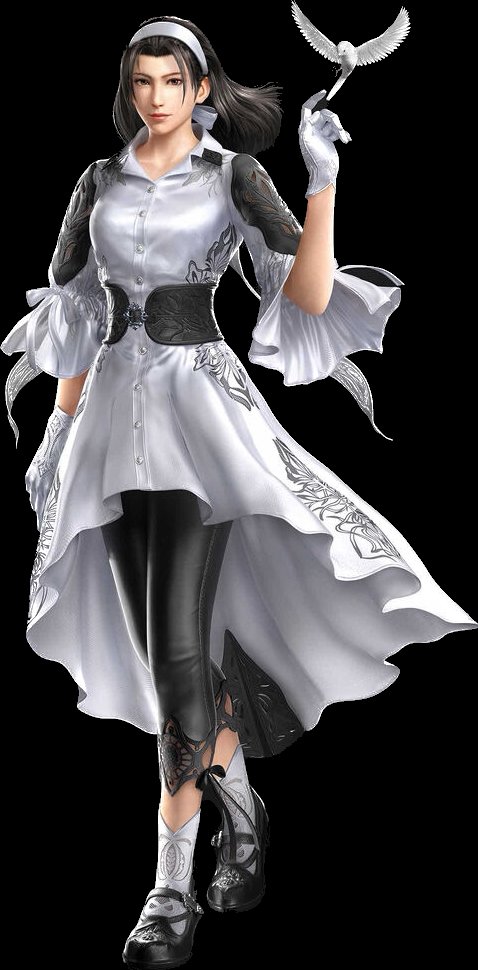
The Tekken 8 character mobility analysis reveals significant variations in movement speed, dash lengths, and sidestep effectiveness across the roster, impacting offensive and defensive strategies.
The iron fist tournament returns with a fresh coat of paint and a renewed focus on aggression. Every fighter feels different this time, with movement becoming a crucial factor in gaining an advantage. This analysis explores the intricacies of Tekken 8 character mobility analysis, focusing on how varied movement options shape combat.
Different characters possess vastly different tools for maneuvering around opponents. We will closely examine forward dashes, back dashes, and sidesteps, highlighting their individual strengths and weaknesses. This difference affects how players approach neutral and their options during offensive and defensive situations.

Tekken 8 Character Mobility Analysis
Welcome, Tekken fanatics! Let’s dive deep into something super important in Tekken 8: how characters move. Forget just smashing buttons; understanding movement is how you really climb the ranks and show off your skills. In this article, we’re going to break down all the different ways characters zoom around the screen, and why that matters so much in a fight. Think of it like learning to drive a car – you need to know how to steer and use the gas pedal before you can win a race. We’ll be looking at everything from simple walks and dashes to fancy sidesteps and backsways. Get ready to become a movement master!
Basic Movement: The Foundation of Tekken 8
Before we get into the cool stuff, let’s cover the basics. These are the moves you’ll use all the time, so getting them down is key.
Walking
Walking is exactly what it sounds like: moving slowly across the stage. It might not seem exciting, but it’s crucial for getting into the right position and baiting your opponent. Walking forward can close the distance, while walking backward helps you create space. Knowing when to use these different walking directions is important to control the flow of the fight.
Dashing
Dashing is your quick burst of speed, great for closing gaps rapidly or getting out of danger fast. There are two kinds of dashes: forward dashes and back dashes. A forward dash is how you quickly get into your opponent’s face, ready to strike, while a back dash is a key defensive move, allowing you to move out of range of attacks. Mastering the timing of dashes is very important for a dynamic fighting strategy.
Advanced Movement: Leveling Up Your Game
Now, let’s talk about some more complex moves that can really make a difference in matches. These are the things that separate good players from great players.
Sidestepping
Sidestepping is a vital movement technique that allows you to move to the side, evading linear attacks (moves that go straight forward). This move, which lets you move either left or right, is not only crucial for evading attacks, but can also let you create openings for counterattacks. Think of it like dodging a ball—you have to move out of its path to avoid being hit. The effectiveness of sidesteps varies between characters; some characters have better sidestep capabilities than others.
Backsways and Crouch Dashes
Backsways, sometimes called back dashes, involve a quick move backward that creates distance and can also dodge some high attacks. A good back sway can be used to bait opponents into wasting an attack, letting you punish their whiffed attempts. Crouch dashes mix the crouch stance with the speed of a dash, often used to avoid a high attack and come at opponents with a low attack. These techniques are powerful for those who prefer a more evasive style of play.
Movement Options and Character Archetypes
Every character has unique movement characteristics. Some move faster than others, some have longer dashes, and some possess better sidestep capabilities. Understanding how a specific character moves is key to succeeding in Tekken 8. Let’s discuss some general character archetypes and their movement styles:
- Rushdown Characters: These fighters are all about closing the gap and staying on the attack. They usually have very good forward dashes and fast walk speeds. Their ability to stay in their opponent’s face allows them to impose pressure and force mistakes.
- Zoning Characters: These fighters specialize in controlling the space with longer attacks and by keeping their distance from opponents. They often have very good back dashes and backsways, allowing them to keep away from the enemy and engage at their preferred range.
- Mix-Up Characters: These fighters like to keep their opponents guessing with variable attack speeds and styles. They are frequently equipped with decent sidestep capabilities and a mix of dash and walking speeds, helping them to confuse and outmaneuver opponents.
- Defensive Characters: These fighters focus on evading and counter-attacking. They will usually have great sidesteps and backsways and utilize these movements to evade and punish the opponents.
Understanding Movement Properties: Frame Data
Okay, this part is a bit more technical, but it’s super important for competitive play: frame data. Think of it like the blueprint for each move. Every movement and attack in Tekken 8 takes up a certain number of frames (1 frame = 1/60th of a second). This includes the time it takes for a move to start, hit, and recover. Understanding frame data helps you decide when to move and when to attack.
Startup, Active, and Recovery Frames
Each move has three main phases:
- Startup Frames: These frames represent the time it takes for a move to begin. During this phase, your character is vulnerable and can’t attack or block. Moves with fewer startup frames are considered faster and more ideal to punish enemies.
- Active Frames: These are the frames where your move can actually hit the enemy.
- Recovery Frames: This is the time after a move has connected or missed, and the character is returning to a neutral state. If the recovery is long, you might leave yourself vulnerable to punishment.
Movement Frame Advantage
Understanding frame advantage will let you move at the most opportune time. For example, if an opponent attacks with a move that has slow recovery, you can move forward and punish their slow recovery time before they can block or counter-attack. By understanding the frame data of your character’s movements, you can be more effective at getting into the best position at the right time to engage your opponent. Characters with faster dashes or backsways will have frame advantage in comparison to characters with slow dash speeds. This becomes even more important at higher-level play where everything is decided by fractions of a second.
Character Specific Movement Techniques: Beyond the Basics
Beyond the generic movements, many characters in Tekken 8 have unique movement options and capabilities. These movements differentiate them and contribute to their strategic depth.
Wavedashing
Wavedashing is a technique that involves rapidly chaining together crouch dashes. This technique allows characters to move very quickly while remaining crouched, dodging high attacks and putting them in perfect position to launch an attack. Not every character can perform this movement, but characters like Jin Kazama and Kazuya Mishima are well known for their very advanced wave dash.
Korean Backdash Canceling (KBDC)
Korean backdash canceling (KBDC) is a technique used to execute a quick series of backdashes, letting the player quickly create distance, while also dodging certain attacks. It requires precise timing, and mastery of this technique is considered a staple for high level players in Tekken. This technique isn’t only a defensive move, but also allows for quick counter attacks.
Unique Character Movement Abilities
Some characters in Tekken 8 possess unique movement abilities that add another dimension to their playstyle. Some examples of unique movement abilities include:
- Ling Xiaoyu’s Art of Phoenix Stance: She can perform moves that let her evade and attack in various stances.
- Yoshimitsu’s Fly Moves: He can fly around the arena in various poses, making his movement style very unpredictable.
- King’s Grapple Approaches: King moves in a very unique style, as he sets up to grab his opponents with a wide range of grabs.
Understanding these specific moves is key to mastering a character and learning how they uniquely fit into the Tekken 8 landscape.
Mobility in Practice: How Movement Shapes Strategy
Let’s bring it all together and see how mobility changes the way you play the game.
Aggressive Playstyles: Closing the Distance
If you are an aggressive player, you’ll need to master the forward dash and how to close the distance fast. Use dashes to quickly get into your opponent’s face, and combine them with attacks to create mixups and put pressure on them. This is particularly effective when your opponent doesn’t know how to punish moves with slow recovery.
Defensive Playstyles: Space Control and Evasion
If you prefer a defensive strategy, mastering back dashes and sidesteps is vital. You can use these moves to stay out of the range of enemy attacks and create an opportunity to punish them. Make good use of backsways to bait the enemy into wasting an attack. This method of gameplay requires patience and excellent timing, but the reward is high.
Adapting to Your Opponent
The very best Tekken players are masters of adaptation. If you are facing a player that prefers aggression, you should use back dashes and sidesteps to get out of range and create opportunities to punish. If you are facing an enemy that likes to play defensively, then use dash ins and a variety of mix-ups to force them into making a mistake. The main takeaway here is that you should always adjust your strategies based on your opponent’s actions.
The Importance of Movement in High-Level Play
At higher levels of play, movement isn’t just about moving around; it’s a key factor that determines who wins and who loses. Every tiny movement can affect the outcome, and mastering character movement allows you to dictate the pace of the match. High level players are not only aware of their own movement abilities, but also understand the movement potential of all of the characters in Tekken 8.
Tips and Tricks to Improve Your Mobility
Okay, now let’s look at some concrete steps you can take to improve your movement skills:
- Practice, practice, practice: Dedicate time to the practice mode and learn how your character moves. Focus on your forward dashes, back dashes, and sidesteps.
- Observe Professional Players: Pay attention to how the best players move in tournaments. Watch their movement techniques and study their strategies to see how they effectively use movement in high-stakes fights.
- Learn Frame Data: As mentioned earlier, frame data will change the way you play. Knowledge of frame data will help you know when to attack, and when to move. It is fundamental to learn the frame data of all of your character’s moves.
- Record and Analyze Your Matches: After playing games, record your gameplay and rewatch it, noting where your movement could have been better.
- Don’t Be Afraid to Experiment: Try different movements in different situations. Play around with movement options to better understand what works for your play style.
By focusing on these steps and practicing consistently, you’ll see a dramatic improvement in your movement skills, and this will boost your overall performance in Tekken 8.
Movement is a crucial aspect of Tekken 8, it’s more than just moving around, but rather an art that separates the champions from the rest. By mastering your character’s movement abilities and understanding the nuances of frame data, you can dominate in Tekken 8. Remember, this is a process, and as you continue to improve your movement, you will reach new heights of skill.
Why Everyone Hates Ling Xiaoyu In TEKKEN 8
Final Thoughts
Tekken 8 character mobility analysis reveals diverse movement options. Characters showcase unique strengths in sidestepping, backdashing, and wavedashing. Understanding these nuances is critical for effective gameplay and match-up knowledge.
This analysis highlights the importance of adapting to each fighter’s movement potential. It also shows how a keen awareness of mobility advantages can shift battle outcomes. Proper movement is fundamental for success in Tekken 8, and it is imperative to practice.

