
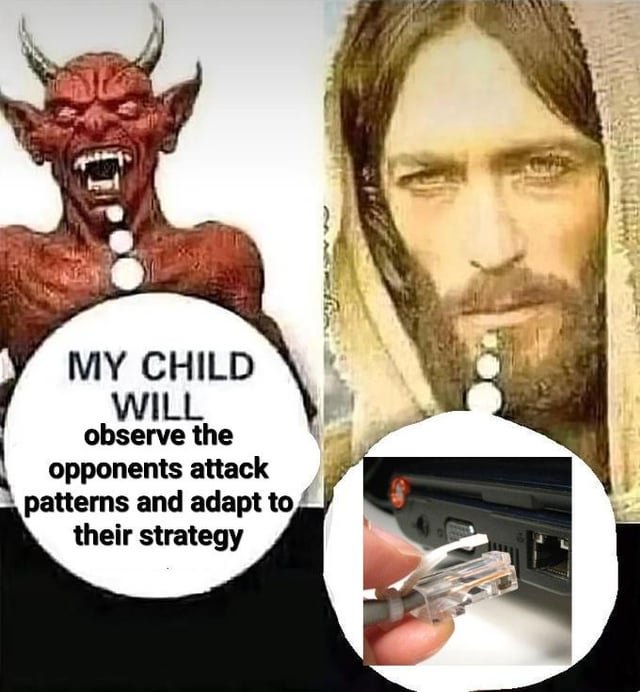
Conditioning opponent patterns in Tekken 8 involves identifying and exploiting their predictable tendencies, using a mix of offense and defense to manipulate their reactions.
Have you ever felt like you’re playing on autopilot in Tekken 8, where your opponent seems to know your every move? This is likely because they are studying your habits. Learning how to effectively condition opponent patterns is key to improving your Tekken 8 game.
It’s about more than just memorizing combos, you must understand how your choices affect your opponent’s actions. We’ll delve into the art of making them predictable by guiding their decisions through yours and forcing mistakes.

Tekken 8 Conditioning Opponent Patterns
Okay, so you’re diving deep into Tekken 8 and feeling pretty good, landing those combos and maybe even winning a few matches. But you’ve noticed something – some opponents seem to read your mind, punishing your favorite moves before you even finish inputting them. That’s not magic; it’s likely they’re conditioning you. In Tekken 8, conditioning isn’t about physical training; it’s about manipulating your opponent’s expectations by establishing patterns and then exploiting them. Think of it like a game of chess, but with punches and kicks! This part of the game is crucial for players of all skill levels, from those still learning the basics to seasoned pros battling in tournaments. This guide will break down how conditioning works, how to do it, and more importantly, how to avoid getting conditioned yourself.
Understanding the Basics of Conditioning
Before we dive into techniques, it’s important to get the basics down. What does it mean to “condition” someone in Tekken 8? It’s about establishing predictable patterns of behavior. When you throw the same attack or combo multiple times, your opponent starts to anticipate that specific action. When this anticipation happens, they might prepare a counter move, and that’s when you know you’ve created a pattern. They’re conditioned to expect a specific move from you in a specific situation. It’s a bit like teaching them a lesson, which can be used in your favor. But, the key is not just to use a single strategy all the time, but use it to your advantage. By being mindful of your actions, you can start conditioning your opponent to react the way you want them to.
Identifying Your Own Patterns
The first step in becoming a master of conditioning is understanding your own tendencies. What are you doing repeatedly? Do you always go for a low sweep after a block? Do you always jab when you get up off the ground? These habits are how your opponent starts reading you. To figure out your patterns, think about your last few matches. Did you find yourself using the same approach over and over? It’s a good idea to record and watch a few of your matches so you can see exactly how you behave. This can be really helpful to see the patterns you use the most. When you see your patterns you can start working to change and become less predictable.
Here are some common patterns players tend to develop:
- Consistent Wake-up Options: Always using the same tech roll or getting-up attack.
- Favorite Strings: Always starting with the same sequence of moves.
- Reliance on Certain Tools: Overusing a specific move, like a fast low poke.
- Predictable Spacing Habits: Always moving to the same range before engaging.
- Defensive Tendencies: Constantly blocking low or high in specific scenarios.
Self-Reflection is Key
Once you’ve identified some of your habits, you’ll be better prepared to avoid getting caught in your own predictable patterns. Being aware of your patterns is half the battle! Now you can make changes and become a more unpredictable player.
Creating Patterns to Condition
Now, let’s talk about how to use conditioning to your advantage! The goal is to make your opponent anticipate your moves, which then lets you trick them into falling for your traps. It’s a lot like being a magician, where you perform an action many times and then you switch it up suddenly. That sudden change is what will catch your opponent off-guard. You’re not looking to use the same move over and over just for the sake of it. The idea is to use the repetitive action to create an expected reaction so you can break it.
Here’s how it works:
- Establish a Pattern: Pick a relatively safe move or sequence and use it repeatedly in a specific situation. This could be a fast mid attack after a block, a grab after a low poke, or a specific poke with your legs or hands. Make sure it’s not too obvious.
- Reinforce the Pattern: Use the same tactic several more times. You want your opponent to get comfortable with this action and start reacting in a specific way. For example, they will start to block that mid attack after a block.
- Exploit the Pattern: Once you see them reacting to the established action, hit them with a different move that counters the expected reaction. So, instead of mid attack after blocking, hit them with a low attack. The opponent is already used to your mid attack that they wont be expecting your low. This is how you use conditioning to your advantage!
Examples of Conditioning Strategies
Let’s look at some specific examples to illustrate how these strategies can be used:
The Classic Mid-Low Mix-Up
Imagine you’re playing as Paul and you’ve started to use your fast mid punch after you block an attack. You use this several times, and the opponent is now blocking or trying to punish your mid punch after the block. You’ve now established a mid-punch pattern. Now, you can start using his low kick move after you block instead of the mid-punch. Because the opponent is expecting your mid-punch, they might try to block high, which leaves them wide open for the low kick.
The Throw Bait
Let’s say you are playing as King. You are constantly poking with low and mid jabs, then you go for the throw. Eventually, your opponent will start anticipating the throw, and will begin to jump backwards. Now, instead of throwing them, you can use a fast high attack to catch them in the air.
Spacing and Whiff Punish
Let’s say you are using a long range fighter like Zafina. You establish the habit of backing out to a certain range, and your opponent expects you to try to engage them again from this distance. Once they have caught onto this, you can use a faster attack, or dash up and do a throw instead. You can use this spacing habit to trick them into trying to attack you, so they can fall for your whiff punish. These are all different examples of using simple patterns to make a big difference in the game.
Adjusting to Your Opponent’s Conditioning
Just as you can condition your opponent, they are trying to do the same to you. The key is to spot when you are falling for your opponent’s patterns. If you feel like you are getting read, you need to start changing your moves and strategy. Always try to keep your patterns in mind and make changes, so you become more unpredictable.
Here’s what you can do:
- Observe Their Actions: Pay attention to what your opponent does repeatedly. Are they always blocking low after you throw a jab? Do they always go for a grab after you use a certain combo string?
- Break the Pattern: Once you’ve identified their patterns, avoid doing exactly what they are anticipating. For example, if they are always blocking low after you jab, throw a high attack, or a grab instead.
- Vary Your Responses: Don’t become predictable in your counters. If you always react the same way, they will just condition you instead.
- Adapt Throughout the Match: The conditioning game is a constant back and forth. Be ready to change your strategy as your opponent adapts.
Advanced Conditioning Tactics
Once you are comfortable with basic conditioning, you can start to include more advanced tactics. These tactics can help you take your conditioning to another level, and help you win those really hard matches.
Here are a few ideas:
Double Conditioning
This involves conditioning your opponent to expect a certain reaction, and then conditioning them again on how you are breaking the first pattern! For instance, you establish a pattern of throwing after a low poke, and then you stop doing it. Your opponent is now expecting you to not throw, so you can go back to throwing them, because they will now think you won’t throw.
Mind Games
This involves using erratic and unpredictable behavior. This might be using a slower attack, that you usually don’t use, or doing a sudden dash in, when you usually back out to a certain distance. The idea is to catch your opponent off guard. Make sure you don’t do random things all the time, because then they’ll catch on to that too. Try to mix things up so they don’t know what to expect.
Using Character-Specific Tools
Make use of your character’s particular strengths and tools. Every character has specific strengths that you should leverage to your advantage. If you are using a fast character you should be moving around a lot, and playing really aggressive, with quick attacks. If you are a tank character, you might want to condition your opponent to stay at a distance, then use your big slow, but powerful attacks.
The Psychological Element
Conditioning is not just about the moves you perform; it’s also about the mental game. Try to understand how your opponent thinks. A good way to do this is to watch your opponent after each round and look for any changes in their reaction to your actions.
Here are some things you need to keep in mind:
- Confidence and Doubt: If your opponent starts to hesitate or becomes too predictable, you can use conditioning to take advantage of their mental state.
- Reading Reactions: Pay attention to your opponent’s reactions. Do they seem frustrated or like they are starting to panic? Try to use that in your advantage by using the conditioning tactics described above.
- Staying Calm: It is very important to stay calm, even when you are losing. Getting frustrated will make you play worse, and allow your opponent to get in your head, and you will be easier to condition.
Tekken 8 conditioning is a very deep and complex part of the game that requires good decision making, good observation, and constant adaptation. Remember it is not just about using the same action over and over, but the idea is to make the opponent to expect certain action so you can punish their reaction. The next time you are playing try paying more attention to what you are doing, and what the opponent is doing and start applying the knowledge you learned here. With practice you will be able to master the conditioning tactics and become an even better Tekken player.
Tekken 8 | This Is How You Always LAND Your Mixups With Mishimas
Final Thoughts
Conditioning opponent patterns in Tekken 8 is vital for success. Analyze how your foe reacts to specific moves. Then, use that knowledge to your advantage.
Change your gameplan to exploit their predictable behavior. Be flexible and adapt to any situations, especially when they catch on to your own conditioning.
Ultimately, understanding and implementing Tekken 8 conditioning opponent patterns leads to more consistent wins. This technique becomes a core skill.

