
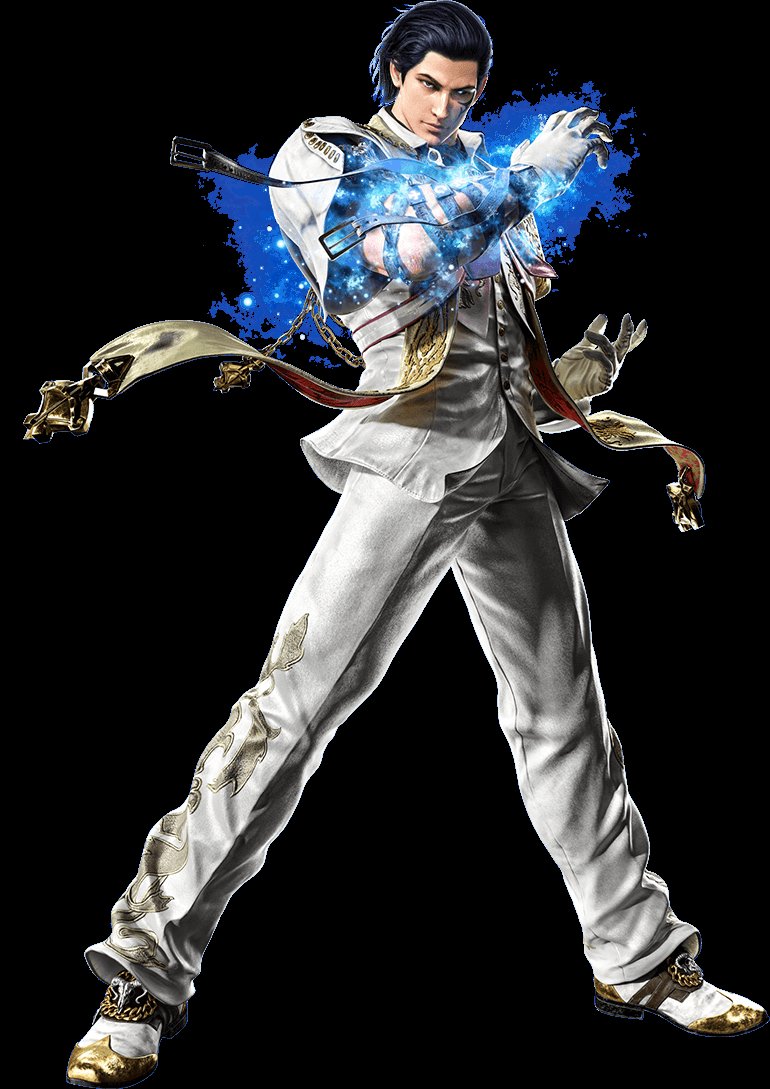
‘Tekken 8 controlling stage position is achieved through strategic movement, utilizing sidesteps, backdashes, and calculated aggression to dictate where the fight takes place.’
Have you ever felt trapped against a wall in Tekken 8, helpless as your opponent pummels you? That feeling comes from not effectively controlling the space. It’s a crucial skill that separates good players from great ones. This article is going to explore the nuances of Tekken 8 controlling stage position. Learning to do this gives you a significant advantage.

Tekken 8 Controlling Stage Position
In Tekken 8, knowing how to move your character around the stage is super important. It’s not just about hitting your opponent, it’s about controlling the space you’re fighting in. Think of it like a game of chess, where each move can help you get the upper hand. We’re going to dive deep into how you can become a master of stage positioning, making your opponents dance to your tune.
Why Stage Position Matters So Much
You might wonder, “Why should I even care about where I am on the stage?” Well, it’s a game changer! Controlling stage position in Tekken 8 can:
- Set up deadly combos: Certain moves work better near a wall. If you control where you fight, you control when and where to do your most powerful hits.
- Make your opponent’s options limited: If your opponent is stuck near a wall, it’s harder for them to move and plan their attacks. They become predictable.
- Let you escape dangerous situations: Being able to move away from your opponent can allow you to create space and prepare your next move.
- Put your opponent in disadvantage: You can use the stage to create situations where they can’t block or move as easily.
- Create opportunities to punish: Some mistakes are only punishable if you’re in the right spot. Stage control gives you more chances to punish your opponents’ errors.
Think of the stage as your playground. You want to be in a spot where you have the most control, and your opponent has the least. This makes a big difference in how well you do in Tekken 8.
The Basics of Movement
Before jumping into advanced positioning techniques, it’s important to get the basics down pat. Tekken 8 provides a range of movements that are essential for navigating the stage.
Basic Movement Options
- Walking: This is your most basic movement. Use it for small adjustments, moving in or out of range slowly. It is controlled with the directional buttons.
- Dashing: Pressing the forward direction twice quickly makes your character dash forward. This is great for closing distance and getting in quick.
- Back Dashing: Similar to dashing, but pressing backward twice quickly sends you away from the opponent and helps create space. It helps you avoid an opponent’s attack.
- Sidewalking: Tapping up or down will allow you to sidestep your opponent’s moves. You need to be careful when sidestepping, if done wrong you may fall into your opponents moves.
Practice these basic movement options to make them feel natural. Smooth movement will always make you a better Tekken player.
Understanding the Stage Elements
Each stage in Tekken 8 has different features that affect how you play. Knowing these can give you an edge. Stage elements are also an important piece to consider to help you controlling stage position.
Types of Stage Elements
- Walls: These are the most significant stage elements in Tekken. Being close to the wall greatly changes the combo potential.
- Balconies/Floors: Some stages have floors or balconies that can break, creating an opportunity for a floor break which opens for additional combo damage.
- Uneven Ground: Some stages have slightly uneven floors or hills. They might have an impact on your moves.
Understanding these stage elements will allow you to use them to your advantage. This is a critical component of being able to control the stage during your match.
Wall Positioning and Wall Carry
Walls are one of the most important stage elements in Tekken 8. They can help you deal more damage if used correctly. But it’s a risk as being in front of the wall is also a dangerous place to be. So, you must learn how to be comfortable with using the wall to your advantage.
Understanding Wall Positioning
Wall positioning means you are getting your opponent close to a wall, and now you can perform wall combo’s. Wall combos deal higher damage than normal combos. Understanding the distance and position of the wall is essential to properly perform a wall carry.
Wall Carry
Wall carry means that after hitting your opponent with a combo, you will continue the combo, and bring them closer to the wall for more damage. Some characters excel at wall carrying, and can carry their opponents a long distance before performing the wall combo.
How to get your opponent to the wall
- Use moves with great pushback: Some moves naturally push your opponent far away. You can use these to nudge them towards the wall. Moves that end a combo with a long pushback work really well for this.
- Careful Dashing: When your opponent is slightly away, dash in towards them and perform a move. Make sure that your move will bring them closer to the wall, or it will be counter intuitive.
- Predict Their Movement: If they keep trying to move towards the center of the stage, anticipate this movement by moving in their path. This makes your attacks land easier, as they will be more predictable.
Don’t forget the reverse wall carry. If you are close to the wall, and your opponent is at the middle of the stage, you can try to reverse wall carry them by keeping them away from the wall.
Using Movement to Create Space
Controlling stage position isn’t just about pushing your opponent; it’s also about creating space for yourself. Sometimes, the best move is to back away. This allows you to take a step back, and understand your opponent better. This step back is a form of movement that can be used to control stage position.
The Art of Spacing
- Back Dashing: As previously mentioned, back dashing is one of the best ways to quickly move away from the action. It’s excellent for getting out of a pressure situation.
- Sidewalking: Use sideways movement to get out of the way from moves that are linear. This will also let you create some space and avoid predictable movement.
- Walking Backwards: Sometimes you only need a little bit of space. A slow back walk can help you control the distance without overdoing it. This also helps you bait your opponent, as they may become more aggressive due to slow movement.
Creating space allows you to make your attacks safer, and lets you avoid getting comboed, while giving you opportunity to punish your opponent.
Offensive Positioning Techniques
Once you know how to control the stage to make space for yourself, its time to go on the offensive. Getting close to your opponent is important, but doing it safely is even more important.
Closing the Distance
- Dashing Forward: Dash forward is the quickest way to close the distance, but it can also be very predictable. Don’t make it obvious you are going to dash forward, mix up your movement.
- Using your Moves: Use moves that travel a far distance, especially those that give you frame advantage.
- Mix your movement: Don’t always dash forward. Walking slowly sometimes will bait your opponent.
Once you get close, remember to mix your attacks, and remember to maintain the space you need to stay safe.
Punishing Poor Stage Positioning
A part of controlling the stage, is to understand when your opponent misuses their position. Punishing your opponent for poor movement is crucial in becoming a good Tekken player.
Reading your opponent’s mistakes
- Predictable Dashing: If your opponent keeps dashing at you predictably, you can punish that by using a move that is fast.
- Poor Wall Positioning: If they are close to a wall, but not ready, make sure to punish them.
- Bad Sidewalks: If they move sideways in a predictable pattern, this gives you a great opportunity to use a linear attack to punish.
Always watch how your opponent moves, and use their mistakes to your advantage. Punishing your opponent is an integral part of controlling the match.
Character-Specific Positioning
Each character has their own unique ways to control the stage. Some characters have moves that are great for wall carrying, while others might be best at creating space. Take some time to understand your character’s tools, and how they help you control the stage.
Experiment with different characters
- Range: Some characters can do a lot of damage from far away. Learn to use these to keep your opponent at bay.
- Wall Carry: Some characters are great at wall carrying. Learn their combos and how you can implement them.
- Movement Speed: Some characters are slow, and some are fast. Understand their strengths and weaknesses.
Playing different characters will help you understand how they impact your stage control. Your character will also help you understand how to control stage positioning.
Practice Makes Perfect
Like any skill, controlling stage position takes practice. Don’t get discouraged if it feels hard at first. The key is to spend time practicing and understanding all the movement options and how to move strategically.
Tips for Practicing Stage Control
- Training Mode: Spend time in training mode practicing moving around and wall carrying.
- Focus on One Element at a Time: Instead of trying to learn all the movement options at once, learn one concept at a time.
- Watch Professional Players: See how they control the stage and take inspiration from them.
- Record and Review: If you record your games, you can see what you did right and what you did wrong, and what could be improved.
Remember, every little bit of practice helps. Before you know it, you will become a master of stage control.
By understanding and using these techniques, you will be able to control your character with a much better strategic focus. You will be able to push your opponents into disadvantageous positions, and you will be able to punish them for their mistakes. This is important for climbing the ranks, and becoming a better Tekken player.
How Many Hours Do You Need To Train To Become Tekken Pro?
Final Thoughts
Effectively controlling stage position in Tekken 8 is crucial. Players who dominate spacing dictate the pace and force mistakes from opponents. This control creates opportunities for powerful offense or strong defensive play.
Understanding stage positioning allows you to apply pressure and set traps. It’s more important than ever to deny your rival space and keep them where you want them.
Ultimately, Tekken 8 controlling stage position leads to better overall game awareness. Consistent stage control will improve your win rate. Players need to understand this vital aspect of the game.

