
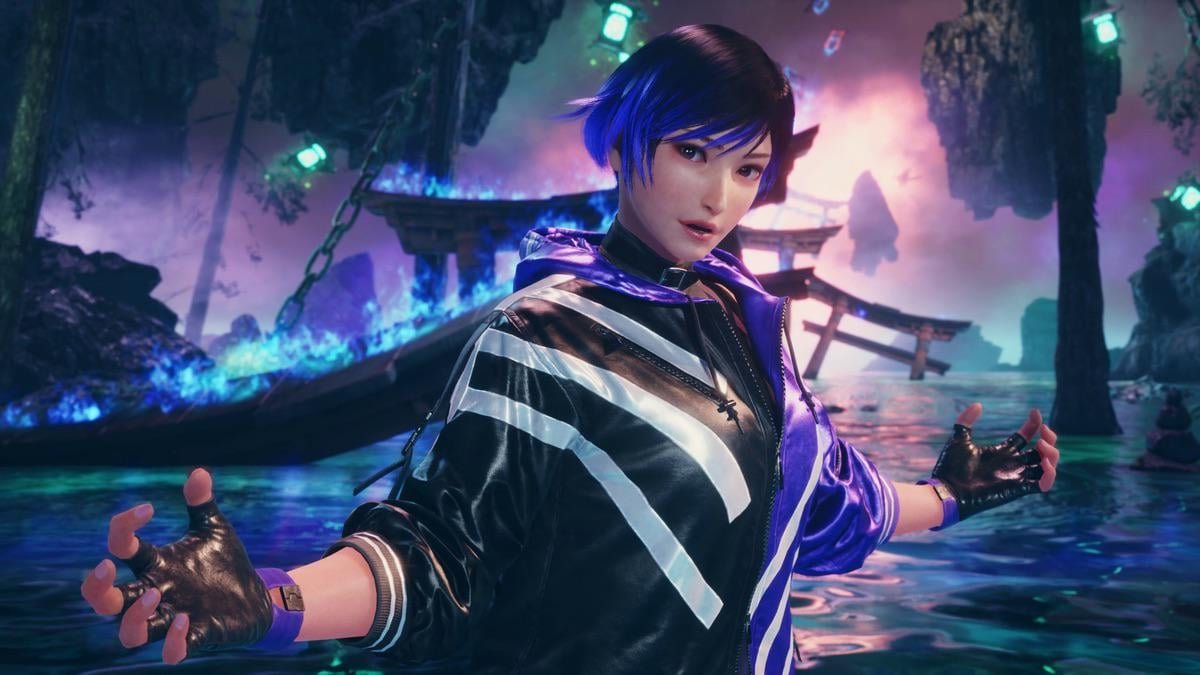
Developing strong game plans in Tekken 8 requires understanding character matchups, practicing combos, and adapting to your opponent’s style.
So, you’re diving into the world of Tekken 8, and feeling like your strategies need a boost? Many players find themselves searching for that edge, the key to consistent wins. It’s not just about button mashing; it’s about Tekken 8 developing strong game plans. This involves more than just memorizing a few moves.
A strong game plan comes from careful study. It takes time, patience, and consistent practice to build. Learn your character’s strengths, their weaknesses, and the ways they interact with others in the game. Knowing this forms the foundation of your victory.

Tekken 8 Developing Strong Game Plans
Okay, so you’re jumping into the world of Tekken 8, and it’s amazing! But just button-mashing isn’t going to get you very far. To really win, you need to think about having a plan. A good game plan is like a secret weapon that helps you take down even the toughest opponents. Let’s get into the details about how you can build those strong Tekken 8 game plans!
Understanding the Basics: The Building Blocks of a Game Plan
Before we get into fancy moves, let’s start with some core ideas. Think of these like learning your ABCs before writing a story. These basics will be the foundation for everything else.
Knowing Your Character
First off, who are you playing as? Each character in Tekken 8 is different. Some are fast and tricky, while others are big and strong. For example, characters like Ling Xiaoyu are all about speed and confusing the enemy with quick movements and tricky stances, while someone like Jack-8 is about powerful punches and grabs. Take some time in the practice mode and get to know your character’s moves. Here’s what to focus on:
- Move List: Look through all the moves. Don’t just skip them. Read the descriptions to understand what each move does.
- Key Moves: Find a few moves that are really good for your character. These are moves that are fast, safe, or help you start combos.
- Range: Is your character good at close range or from a distance? This will help you know how you need to position yourself in the fight.
- Strengths and Weaknesses: What is your character really good at? Where are they not so good? Knowing this helps you use your strengths and avoid your weaknesses.
Don’t try to learn everything at once! Pick a few moves to start and get really good with them. This helps you understand how your character flows.
Understanding Your Opponent
It’s not just about what you can do, but also what your opponent is doing. Pay attention to these things during a match:
- Their Character: Who are they playing? What are their strengths and weaknesses? If they are playing a grappler, be more cautious with your offense.
- Their Patterns: Do they always do the same move after blocking? Do they like to jump a lot? Understanding their behavior helps you predict them.
- Their Playstyle: Do they play aggressively and come at you, or do they like to stay back and wait? This helps you adapt your strategy.
Observing your opponent is key. You want to learn how they play so you can plan your moves accordingly. For example, if they like to jump, you can prepare to use moves that knock them out of the air.
Building Your Offensive Plan
Offense is all about putting pressure on your opponent and making them play your game. Here’s how you can create a good offensive plan.
Using Pokes and Pressure
“Pokes” are small, quick moves that you can use to keep your opponent on their toes. They don’t do a lot of damage but make it harder for your opponent to attack. Here is how to incorporate pokes:
- Fast Moves: Use fast jabs and kicks to annoy your opponent. It might not be a big deal, but they add up!
- Safe Moves: Use moves that won’t leave you open to attack. This makes it hard for your opponent to punish you.
- Mixups: Don’t do the same poke over and over. Mix things up with low and high attacks so they never know what’s coming.
Pressure is about constantly threatening to attack. You want to keep your opponent guessing, making it hard for them to find an opening. Think of it like constantly tapping on a door – eventually, it might open!
Creating Combos
Combos are sequences of moves that link together, making it very difficult for your opponent to block. Here’s how you can build combos into your plan:
- Practice Mode: Spend some time in practice mode. Find out what moves connect.
- Easy Combos First: Start with easy combos and slowly add more difficult ones as you get better. There is no need to rush things.
- Punish Opportunities: Learn which moves leave your opponent open and have a good combo ready to go.
Combos can be a great way to deal some big damage, but don’t forget they need to be a part of your larger game plan. It’s not just about doing combos for the sake of it.
Utilizing Movement
Movement is vital for a good offense. How you move can be the key to getting in or out of range of the attack. Consider these tips:
- Dash In and Out: Use dashes to close the distance or back away when needed.
- Sidesteps: Sidesteps can avoid some linear attacks. Use them to get to your opponent’s side.
- Spacing: Pay attention to how far you are from your opponent. This helps you use your moves effectively.
Good movement can make all the difference between getting hit and creating your own chance to attack.
Building Your Defensive Plan
Defense is just as important as offense. Without it, you can’t win. Here’s how to make a good defensive plan:
Blocking Effectively
Blocking is the most basic defensive move. You’d be surprised how important it is. Here’s how to block:
- Standing Block: Hold back to block high and mid attacks.
- Low Block: Hold down and back to block low attacks.
- When to Block: Block when you are not attacking. It might be a good choice to wait and see what your opponent does.
Blocking at the right time can protect you from a lot of damage and let you create counterattack opportunities.
Punishing Mistakes
When your opponent does a move that leaves them open, that’s your chance to counterattack. This is called “punishing.” Here is how to get better at this skill:
- Learn the Moves: Know which moves are unsafe. This means they can easily be punished.
- Have a Punish: Know what moves to use when someone makes a mistake. Having a quick punish move ready can turn the tide of battle!
- Be Patient: Don’t be impatient and attack just for the sake of it. Wait for the right moment.
Punishing isn’t just about doing damage, it’s about making your opponent respect your defense.
Understanding Frame Data
Frame data is a little complicated, but it’s very important if you want to play at a higher level. Here’s a simple way to understand it:
- Startup: The time it takes for a move to start.
- Active Frames: When the move can actually hit the opponent.
- Recovery: The time it takes for the character to go back to neutral.
Knowing this, you can pick the right moves at the right times. Moves with fast startup are good for poking and moves with slow recovery are unsafe and leave you open to punish.
Adapting Your Game Plan
No plan is perfect. You’ll need to change your plan during a match. Here’s how to adapt:
Reacting to Your Opponent
If your plan isn’t working, change it! If they are too good at blocking your high attacks, start doing lows. Here are things to consider:
- Don’t be Predictable: Change your plan to keep your opponent guessing.
- Watch and Learn: If they are blocking your attacks, try something new.
- Stay Calm: Don’t get flustered if your plan isn’t working. Try a different approach.
Adapting your game plan is about being smart. If something isn’t working, you need to be able to change it up. If your opponent is ready for your attacks, find a new way to confuse them.
Dealing with Different Play Styles
You’ll play against all kinds of players. Some will rush you down, while others will play cautiously and wait for you to attack. Here’s how to adapt:
- Aggressive Players: Use blocks and safe moves to shut down their attacks.
- Defensive Players: Use mix-ups and pokes to open them up.
- Adapt and Learn: You will be ready for any strategy if you are prepared.
Being able to adjust to the way other people play is vital to winning.
Practice and Improvement
The most important thing about game plans is to keep practicing and improving. It takes time and effort to get better at these skills. Here are a few tips for practice:
- Practice Mode: Practice those combos and moves in practice mode until they become natural to use.
- Play Often: Play against different opponents online. It helps you practice your skills against real people.
- Watch Replays: Review your past games. Pay attention to what worked and what didn’t. It can provide you with a deeper understanding of what you should improve on.
- Watch the Pros: See what strategies the pro players use. You can learn a lot from their game plans.
Remember, it’s all about learning and having fun! The more you play, the better you will get at the game.
Creating a good game plan in Tekken 8 takes time and practice. But by understanding your character, your opponent, and the basic strategies we’ve gone over, you’ll be well on your way to becoming a formidable player. Stay calm, keep practicing, and don’t be afraid to change things up.
How To Get BETTER at TEKKEN 8 FAST! (TEKKEN 8 Tips & Tricks)
Final Thoughts
Tekken 8 developing strong game plans requires focused practice and character understanding. Players must analyze matchups and adapt accordingly. Effective strategies involve movement, punish game, and knowing your opponent’s tendencies.
Developing a solid plan is key to winning. Players need to learn key frame data and specific combo routes. Tekken 8 developing strong game plans separates novice from pro.

