
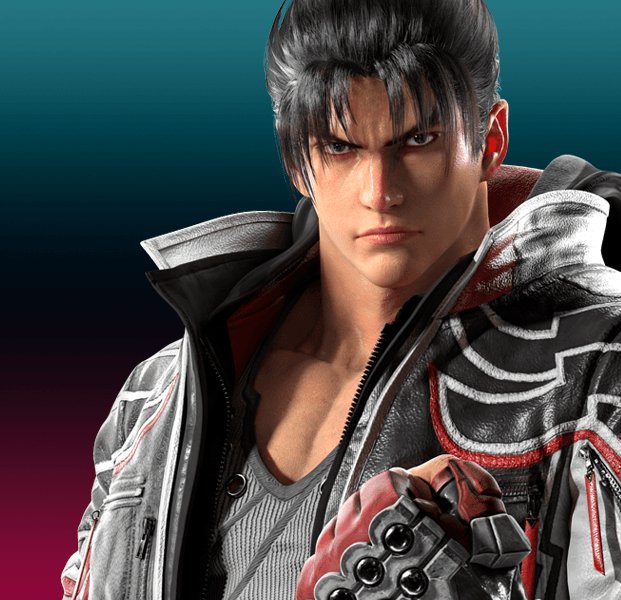
Tekken 8 frame data analysis provides specific timings for moves, helping players understand move properties like speed and advantage on hit or block.
Dive into the intricate world of Tekken 8, where every millisecond matters. Understanding Tekken 8 frame data analysis is crucial for players who want to advance their gameplay. Knowing when your move is going to land and whether it’s safe is very important.
This knowledge lets you react effectively, punish mistakes, and optimize your character’s potential. So let’s break down what you need to know.

Tekken 8 Frame Data Analysis: Your Guide to Victory
Frame data is like the secret code of Tekken 8. It tells you exactly how long each move takes to start and recover. Understanding this data isn’t just for pros; it’s for anyone who wants to get better at the game. Think of it like this: if you know how fast your punches and kicks are compared to your opponent’s, you can make smarter choices during a fight. This section will dive deep into what frame data is, why it’s important, and how you can use it to your advantage in Tekken 8. We’ll go over the basic terms and how they affect gameplay.
Understanding the Basics of Frame Data
Before we dive into specifics, let’s break down the basic frame data terms you’ll encounter. These are the building blocks for understanding how moves work in Tekken 8.
Startup Frames
Startup frames are the number of frames it takes for a move to become active and hit your opponent. Think of it as the “wind-up” time. A move with faster startup frames is generally safer to use, as your opponent has less time to react and block or evade. A low startup frame move means that your move will land quickly and you can attack faster. When you’re under pressure and need a move to come out quickly, a fast startup is key. Moves with slower startup might be powerful, but they require careful planning, since you have a high chance to get hit while performing the move.
For example, a jab might have only 10 startup frames, while a powerful spinning kick could take 20 frames or more to hit. Knowing the startup frames of your moves is essential. Imagine, if your move has 12 frames of startup, your opponent’s move with 10 frames of startup will land first and you will get hit.
Active Frames
Active frames are the number of frames during which a move can actually hit. This is the timeframe where if your attack connects with the opponent’s hurtbox, damage is applied. Some moves might have just one active frame, meaning the hit only happens at a very specific point in the animation. Others might have multiple active frames, giving you more leeway to connect. If you hit on an active frame, the opponent will get hit and block when you attack their hurtbox and they successfully blocked.
For instance, a punch with a short active frame means you need to be very precise with your timing. A move with many active frames, on the other hand, might be easier to land because it will be active for longer. So when you throw a move with many active frames, it will hit even if the opponent tries to go out from your range, due to the active frames of your attack.
Recovery Frames
Recovery frames are the number of frames that your character is in animation after the active frames have passed, and before you can perform another action. During the recovery frames, you are vulnerable to attack. A move with many recovery frames is unsafe if blocked, because your opponent can launch a fast punish attack. Faster recovery moves are generally safer. The faster you recover, the quicker you can block, move, or attack again.
A move that leaves you in a long recovery is easy for your opponent to capitalize on. They can either hit you when you are recovering or launch a combo to punish you. Imagine you throw a slow move with a large recovery frame, your opponent can easily block the move and throw a fast move to hit you first.
Block Advantage & Disadvantage
When your attack gets blocked, the frame data will also tell you what kind of situation you’re in. Block advantage indicates that you can act sooner than the defender after your move is blocked. While a block disadvantage means that the defender can act sooner than you. Block advantage often leads to another mixup chance or a combo opportunity, while block disadvantage puts you at a risk of getting punished.
If you have +2 on block, that means you get to act 2 frames before your opponent does. If you have -2 on block, then your opponent will act 2 frames before you get to act. It doesn’t mean that you should blindly throw out moves that give you advantage but it gives you an idea, whether you have an upper hand or your opponent has.
Hit Advantage & Disadvantage
Similar to block advantage and disadvantage, but this is when your attack connects. When your attack hits an opponent, you will get a chance to follow up to get a combo when you get the advantage. But when you get hit by your opponent’s attack you are in disadvantage state. So this frame data will let you know, which move is best to use after your attack lands. Just like block advantage and disadvantage, a hit advantage of +2 means you can attack two frames faster. A disadvantage of -2 means your opponent can attack two frames faster.
Why Frame Data Matters in Tekken 8
Why should you care about all of this frame data stuff? Well, it’s the key to playing Tekken 8 strategically. It can make the difference between winning and losing. It’s not just about knowing a character’s move list, it’s about understanding how each move behaves in a frame-by-frame environment.
- Punishing: Recognizing unsafe moves that your opponent throws is very easy when you know the frame data. When your opponent throws out a move with a large recovery frame, you get to punish it with your fast move.
- Pressure: By understanding your moves’ frame advantage, you can create mix-up situations, where the opponent will be forced to guess. You can go for high/low mix-ups, or throws.
- Defense: Knowing when your opponent is at a disadvantage will make it easier to defend yourself. For example, if your opponent’s attack has a -10 block disadvantage, you should probably go for a quick move to punish them.
- Combos: Many combos are dependent on frame data. Understanding the speed at which each hit connects will ensure you don’t drop the combos. This is especially true for combo enders.
- Spacing: The spacing between you and the opponent is also dependent on the frame data. You will know at which range you need to be to ensure your moves are connecting correctly.
Where to Find Tekken 8 Frame Data
Now that you understand what frame data is, you might be wondering where you can find it. Frame data isn’t available in the game itself, so you will need to look somewhere else.
Community Resources
The Tekken community is a great resource for finding frame data. Many dedicated players have compiled frame data into websites and spreadsheets. These resources are usually free to access and updated regularly by the community. These resources can be useful in looking up frame data for any character. Here are some popular resources:
- Tekken Zaibatsu: This website is one of the most popular places for Tekken information. They have frame data for all the characters, along with other guides and information on Tekken.
- Rage Arts: This is another website which has the frame data of all characters of Tekken. They also have combo videos, and tutorials which are very useful.
- Discord Servers: Many Tekken character discords have dedicated channels for frame data and discussions. This is a good place to ask specific questions to expert players.
- YouTube Channels: Content creators often showcase frame data in their videos. They will discuss their frame data and explain how to use the frame data to your advantage.
How to Read Frame Data Tables
When you look at frame data, you’ll see a table with numbers for each move. Let’s look at a sample table. Keep in mind that the specific format might vary from source to source, but usually has same fields.
| Move | Startup | Active | Recovery | Block | Hit |
|---|---|---|---|---|---|
| Jab | 10 | 2 | 12 | -2 | +4 |
| Low Kick | 14 | 3 | 15 | -12 | +2 |
| Power Punch | 20 | 5 | 25 | -18 | KD |
Here’s what these numbers mean:
- Move: This is the name of the move, for example, Jab, Low kick or Power Punch.
- Startup: The amount of frames needed for the move to become active.
- Active: The amount of frames the move is active.
- Recovery: The amount of frames it takes for a move to recover.
- Block: The frame advantage or disadvantage when you block the move.
- Hit: The frame advantage or disadvantage when you land the move. KD stands for knockdown, which can also be followed by a value like +10, which means the advantage when you land the move.
Remember that negative numbers under block or hit advantage means that you are at disadvantage, and positive means you have the advantage. “KD” means that the move will knock down the opponent when the move hits.
Applying Frame Data in Your Gameplay
It’s one thing to know the frame data, and it’s another thing to apply it to your game play. Here are some ways you can use this knowledge:
Punishing Unsafe Moves
Look for moves that have a high number of negative frames on block. These are the moves you can punish. For example, if you know that your opponent’s move has a -15 on block, you can use a 15 frame or faster move to punish it. If you are not sure of the exact startup frames of your move, you can go to training mode, and set the opponent to block the move, and then do your move to punish. This will help you visualize what move you can use to punish.
Punishing is key to improve in Tekken 8. If you let your opponent throw out unsafe moves without punishing, your opponent will not be punished for his mistake. It also shows you that your opponent does not know the frame data of their moves, so you can easily get the upper hand in your game.
Creating Mix-Ups
Use moves that give you a frame advantage on hit or on block. A good block advantage can allow you to throw out a mixup, like a high or a low move. When the opponent is in block stun, they cannot react to what you will throw next. So you can use mixup moves to confuse the opponent.
A great mix-up game can put immense pressure to your opponent. If your opponent gets confused and makes a mistake, it could lead to a huge combo and a winning scenario.
Spacing and Movement
Use frame data to figure out when you are safe to move in and out. When your opponent is recovering after their attack, you can take the chance to move. Knowing your move’s range can also help you position yourself properly. If you’re at the edge of your move’s range, you can throw out a move that will connect but your opponent might not be able to hit you.
Movement is key to success in Tekken 8. Knowing when to move forward and when to move back based on the frame data is very important. You can even use movement to whiff punish, where you can hit the opponent when he misses an attack.
Practice and Experimentation
The best way to learn frame data is to practice it yourself. Take some time in the training mode to test out moves and see how they interact with each other. Experiment with different moves of different characters, so that you can learn all characters’ frame data. You can practice with a friend in a practice lobby to get used to punishing unsafe moves.
Using training mode is very important for understanding frame data. You can set up different scenarios in training mode, to check how a move behaves in the game. If you do not train, then it is highly unlikely that you can understand the frame data.
Advanced Concepts
Now that we’ve covered the basic and some intermediate concepts, let’s dive into some more advanced ideas.
i-Frames (Invincibility Frames)
Some moves in Tekken 8 have i-frames, which means that you are invincible for a few frames during the move. I-frames are very useful for avoiding an incoming attack. Moves with I-frames can pass through or avoid incoming attacks. Not all moves have i-frames but a select few. The best way to check is in training mode or by looking at frame data websites. Some character’s i-frame moves can be used against very aggressive opponents to turn the tables. I-frames are a very advanced technique, so you need to be very practiced in order to use them consistently.
Hitboxes and Hurtboxes
Hitboxes are the parts of your character’s body that can deal damage, while hurtboxes are the parts that can be damaged. Knowing hitboxes and hurtboxes can help you understand how moves connect. If you are aware of which part of your body is active, you can make adjustments to your gameplan. For example, if you are throwing out a long ranged move, it might be ideal to stay at max range, so your opponent is unable to hit you, while your hitboxes can reach their hurtboxes.
Frame Traps
A frame trap is a setup that makes the opponent think they can attack safely when they are actually at a disadvantage. For example, you might throw a move that puts the opponent in a situation where they think they have an opening but you will interrupt their move. Creating frame traps is an advanced technique, that you can implement in your game. But keep in mind, that if your opponent is not pressing buttons when you are creating a frame trap, the strategy can be useless. Frame traps are very effective in online play, where connection and reactions are not consistent.
The Learning Curve of Frame Data
Learning frame data can seem hard at first, but don’t let it scare you. Start small. Begin with your favorite character’s basic moves. Try to find a few punishes and apply the techniques. Do not try to learn all frame data at once, because that will be very overwhelming. You don’t need to memorize every number, but understanding the general ideas of how moves work will be useful. Watch matches of professional players to see how they implement frame data concepts in their game. With practice and patience, frame data can be an important weapon in your Tekken 8 arsenal.
The most important aspect is to keep practicing and learning, so that you can improve at the game. It’s okay to lose and make mistakes, it’s part of the learning process. As you keep playing, you will gradually understand the frame data. Tekken 8 is a complex game, and understanding frame data will set you apart from other players who do not understand it.
Frame data is a complex topic, but with time and patience, anyone can grasp it. Don’t feel pressured to become a frame data master overnight, focus on understanding the core concepts and build upon it gradually. Understanding this information opens a new dimension in Tekken 8, letting you make better choices in the heat of battle.
How To Read And Understand Frame Data In Tekken 8!
Final Thoughts
Tekken 8 frame data analysis reveals crucial timings for move execution and punishment. Understanding this information allows players to optimize their offense and defense strategies. Players gain a competitive edge by knowing specific frame advantages.
Diving deep into frame data helps you predict your opponent’s next action. This detailed knowledge leads to improved decision-making during matches. Precise application of this data is key to success.
Ultimately, thorough Tekken 8 frame data analysis is essential for competitive play. It empowers players to make informed choices, and drastically improve performance. Studying and applying the data improves your overall skill.

