
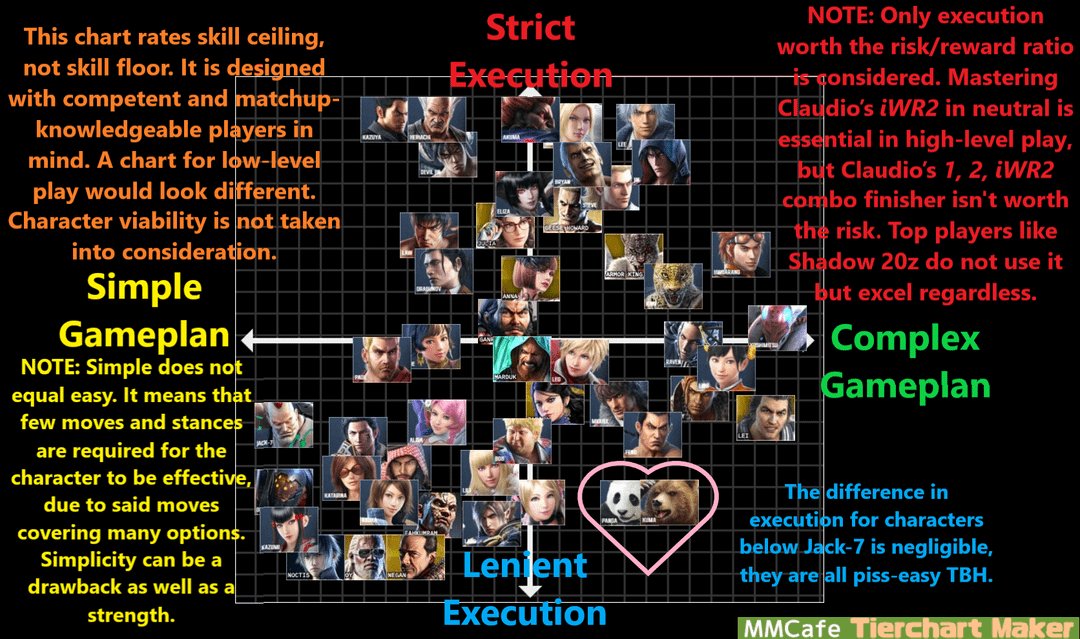
Tekken 8 game plan execution requires adapting your chosen fighter’s strengths and weaknesses to the opponent, controlling spacing, and capitalizing on openings through practiced combos and movement.
Stepping into the arena of Tekken 8 demands more than just button mashing; it calls for a calculated approach. Understanding your character’s move set is only the first step. Effective Tekken 8 game plan execution involves predicting your opponent’s actions.
This strategic layer is what separates a casual player from a true competitor. It’s about making informed decisions in the heat of battle. Players must learn to read their opponent and react accordingly.

Tekken 8 Game Plan Execution
Okay, so you’re diving into Tekken 8, huh? It’s not just about button mashing, though that can be fun sometimes! To really get good, you need a game plan. Think of it like a recipe for success. You don’t just throw random ingredients into a bowl and hope for the best; you have a plan, a list, and an idea of what you want to create. Tekken 8 is similar. A good game plan is about knowing your character, understanding your opponent, and using that knowledge to win.
Understanding Your Character: The First Step
Before you can even think about beating someone else, you have to know your own fighter. This is where spending time in practice mode really pays off. Every character in Tekken 8 is different, and they each have their own unique strengths, weaknesses, and special moves. This isn’t just about memorizing a long list of button combinations; it’s about understanding how those moves work.
Character Move Sets: Getting Started
Start by exploring the move list. Don’t feel like you have to learn everything at once. Pick a few basic moves from each stance (if your character uses stances) and practice them until they become second nature. Focus on:
- Basic punches and kicks: These are your bread and butter. You need to know what they do and how they feel.
- Long range attacks: These moves keep your opponent away and allow you to control distance.
- Close-range attacks: These are your options when your opponent is right in your face.
- Low attacks: These moves hit your opponent down low and are key to opening up their defense.
- Throws: Every character has throws, and these can be very useful when your opponent is blocking a lot.
Exploring Special Abilities
Beyond basic moves, many characters have special moves that make them unique. Some of these might be:
- Power Crush moves: These moves are very powerful and absorb one hit.
- Heat Engager: These moves put your character into Heat mode, which increases their attack damage and allows for new move combinations.
- Rage Art: A powerful, once-per-round attack that can turn the tide of a battle.
Practice these special abilities and find opportunities to use them in your matches. Experiment to see what makes sense for your play style and how they can link with your character’s basic moves.
Understanding Strengths and Weaknesses
Every character in Tekken 8 has some areas where they shine and others where they’re vulnerable. Some characters might be great at close-range fighting, while others might be better at keeping opponents away. Learning these strengths and weaknesses helps you use your character effectively and plan accordingly:
- Mobility: How fast is your character? How well do they move around the stage?
- Damage Output: Can your character deal a lot of damage quickly, or are they more about consistent damage over time?
- Reach: How long are your character’s limbs? Do they have good reach, or do they need to get close to their opponents?
- Defensive Options: How well can your character block, parry, or evade attacks?
Analyzing Your Opponent
Once you understand your own character, the next big step is figuring out your opponent. You can’t just play your own game; you have to see what they’re doing. Think of it like reading a book – you’re not just seeing the words, you’re understanding the story behind them.
Identifying Play Styles
Just like characters, players have different styles. Some like to be aggressive and always attack, others are more defensive and wait for you to make a mistake. Here are a few common styles to watch out for:
- Aggressors: These players attack constantly and try to pressure you.
- Defensive Players: These players block a lot and wait for you to attack, then try to counter.
- Zoners: These players like to keep you at a distance and use long-range attacks.
- Mix-Up Players: These players use many different kinds of attacks, making it hard to know what’s coming next.
Recognizing Patterns
As you play, watch your opponent carefully. See if you can pick up on patterns. Do they use the same moves over and over? Do they always try to do a certain kind of attack after they block? Look for these patterns and then figure out how to use them against your opponent. If they are throwing many low attacks, prepare to block low. If they like to approach with a jab, then prepare to counter or evade them.
Adapting Your Strategy
Once you understand your opponent’s style and patterns, you have to adapt your own plan. This is all about being flexible and changing your approach during a match. If they block high all the time, throw a low attack, if they always keep their distance, try to close the gap quickly. If they are rushing you, then try to defend and use a few spacing tools.
Keeping Calm and Focused
It’s easy to get frustrated when you’re losing, but staying calm is a big part of a good game plan. If you get angry or upset, it’s harder to think clearly and make good decisions. Taking a few breaths when things get tough can often help you make a comeback.
Crafting Your Match Strategy: Combining Knowledge
Now that you know your character and are starting to understand your opponent, it’s time to build your match strategy. This is where everything comes together to form your game plan. It’s about choosing the right tools at the right time.
The Importance of Spacing
Spacing is how far you are from your opponent. It’s important because different moves work better at different distances. Some moves are good for keeping enemies away, some are for closing the distance and hitting enemies when they’re close, while others are more effective at mid-range:
- Long Range: Use ranged attacks to poke and harass your opponent.
- Mid Range: Move in and out of mid-range to bait attacks and punish the opponent.
- Close Range: Get in close and use fast attacks and throws to keep your opponent guessing.
Poking and Harassing
Poking and harassing means using quick, low-risk moves to keep your opponent off balance. It’s like throwing small stones to bother someone before you use a big one. This approach lets you get a better feel for what your opponent is trying to do, without putting yourself at risk.
Mix-Ups: Keeping Your Opponent Guessing
Mix-ups are about using different kinds of attacks to make it harder for your opponent to block effectively. This way, you can keep them guessing. Some of these mixes may include:
- High/Low Mix: Switching between high and low attacks to force your opponent to guess which attack to block.
- Throw Mix: Throwing attacks in between attacks to keep your opponent from just blocking.
- Delay Tactics: Delaying some of your attacks or movement to throw off your opponent’s timing and make them make mistakes.
Punishing Mistakes
Every time your opponent makes a mistake, they give you a chance to hit them hard. This is where you can land your heavy hits or combine a couple of hits in combo attacks. If they use a move that is slow or has high recovery, then you want to hit them with a strong move or combination of moves. Learning how to punish properly will be a key to victory.
Using Heat and Rage
Don’t forget about your special abilities! When the Heat Gauge fills up, don’t be afraid to use your Heat Engager to power up your character. It provides access to powerful moves that can quickly turn the tide of a match. And when your health is low, your Rage Art can really do some serious damage, so use it when you think it will cause maximum damage. Just be mindful, because it’s only used once per round.
Practice and Refinement
Learning a game plan isn’t a one-time thing. It’s a process. You learn, you practice, you get better. It’s like baking a cake – the first time you might not be perfect, but with practice you become more skilled and better at it.
Practice Regularly
The more you play, the better you’ll get. But it’s not enough to just play. Practice with intent. If you are trying to improve your low attacks, then spend some time in practice mode against an opponent that’s set to block high so you can practice low attacks. Take advantage of the practice tools available in Tekken 8, like the training mode, so you can do specific things repeatedly until you improve.
Analyzing Your Matches
After each match, take a few minutes to think about what happened. What did you do well? What could you do better? Take note of situations where you were successful, and try to find patterns to repeat them in the future. Watching your replays can also help you identify mistakes and bad habits.
Be Patient
Getting good at Tekken 8 takes time. Don’t get frustrated if you don’t see results right away. Just keep learning, practicing, and trying to improve your game. Improvement can take time, but if you stay patient, you’ll get there.
Learning from Others
Watch videos of other players, learn new strategies, or try different things that others are trying. Everyone starts at the bottom, so watching others who are more advanced can help you to improve. Don’t be afraid to ask for advice, or to watch tutorials from more experienced players.
By understanding your character, analyzing your opponent, and building a plan, you can become a great Tekken 8 player. Remember, it’s not just about being good at the game; it’s also about being smart. So keep practicing, keep thinking, and keep fighting! You’ve got this!
No Execution Needed – Dragunov Guide for Newcomers (Tekken 8)
Final Thoughts
Effective Tekken 8 game plan execution demands a deep understanding of your character’s moveset and your opponent’s tendencies. Adapt your strategy during matches. Observe, analyze, and apply pressure at the right moments.
A solid game plan requires effective spacing, punishing whiffs, and exploiting openings. Prioritize your combos and choose your most reliable tools. Consistent practice will improve your Tekken 8 game plan execution and overall gameplay.

