
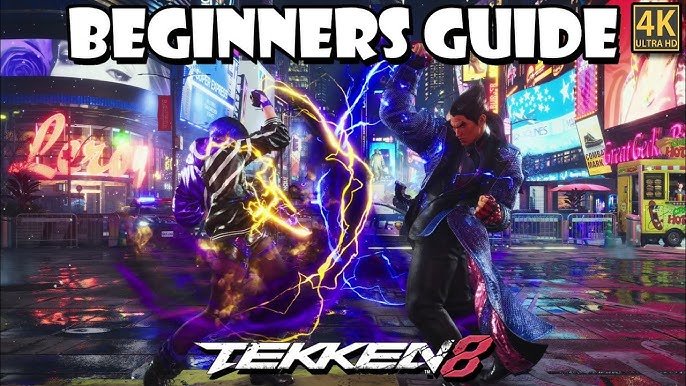
Tekken 8 games combo system utilizes a mix of normal moves, special attacks, and heat mechanics for chained hits, focusing on timing and understanding move properties for effective damage.
The thrill of connecting a long string of attacks is a core part of fighting games. In Tekken 8, the combo system is more than just button mashing. It’s about understanding the flow of combat and creating devastating sequences by linking various strikes together.
This game has a distinct feel with its combo mechanics. Learning when to use normal hits, special moves, and the new heat system is vital for victory. We will break down how the Tekken 8 games combo system explained works.

Tekken 8 Games Combo System Explained
Alright, buckle up, fighting game fans! We’re diving deep into the heart of Tekken 8: its combo system. If you’re new to the game, or even if you’ve played before, understanding how combos work is key to winning fights and feeling like a true Tekken master. It might seem complicated at first, but trust me, it’s much easier than it looks once you break it down. This isn’t just about button mashing, though. Tekken 8’s combo system rewards players who learn the nuances of character moves, timing, and spacing. Let’s get into the nitty-gritty and explore what makes Tekken 8’s combo system so special.
The Basics of Tekken Combos
Before we get into fancy footwork, let’s cover the basics. A combo, simply put, is a series of attacks that connect without giving your opponent a chance to block or counter. In Tekken 8, most combos start with a launcher – a move that sends your opponent flying (usually upward) or into a specific state. Think of it like setting up a domino chain; the launcher is the first domino, and the rest of your attacks follow. These launchers are often high attacks, which means they can be ducked, so you need to be careful about when and how you use them. Timing is super important. You need to make sure that each attack connects right after the previous one, without too much of a gap. A gap means your opponent will be able to block it and avoid further damage.
Understanding Hit Levels
In Tekken 8, attacks have different hit levels that determine how and if they connect. Here are the main types:
- High: These attacks can hit standing opponents but can be ducked by crouching.
- Mid: These attacks hit standing opponents and crouching opponents. They cannot be ducked.
- Low: These attacks hit crouching opponents but can be blocked by standing opponents.
Knowing the hit level of your attacks is essential when creating combos. For example, if you launch your opponent into the air with a high attack, your follow-up attacks must be mid-level or they will miss, as the opponent is not standing on the ground to receive a high attack. Combining various hit levels in your combo is also important to confuse your opponent, especially if you are mixing up highs and lows, so they cannot effectively defend themselves.
Launchers and Follow-ups
Launchers are moves that start combos, and they come in all shapes and sizes. Some launchers send the opponent straight up in the air, while others might knock them backward into a wall. The way a launcher sends your opponent is important because it dictates what kinds of follow-up attacks you can use.
- Typical Launchers: Many characters have basic launchers, often a hop kick (usually with the up and kick buttons) or a command move that pops the opponent up. These are reliable starting points for combos.
- Screw Attacks: These are special moves that twist your opponent around, sending them spinning for follow up attacks. They’re a common part of many combos in Tekken 8 and allow you to extend the combo even further.
Once you have launched your opponent, you must follow up with the correct attacks to keep the combo going. Timing and execution play a big role here. You must learn the specific follow-ups that work with your launcher to deal the most amount of damage.
Wall Carry and Wall Combos
Walls in Tekken 8 aren’t just for decoration; they are important elements of the combo system. You can use combos to carry your opponent closer to the wall, and when they hit the wall, they go into a special state that allows you to extend the combo even more.
Wall Splat
When an opponent is hit by a wall, they “splat” against it, making them vulnerable to further attacks. This is known as a Wall Splat. Some launchers specifically knock opponents towards the wall for an easier Wall Splat, but you can also carry your opponent using regular combo attacks to have them hit the wall.
Wall Carry
Wall carry means that you can continue a combo in a way that will push your opponent towards the wall. This is crucial for maximizing your combo damage. Good wall carry can lead to some of the most damaging sequences in the game.
Wall Combo Extensions
After a Wall Splat, you can use special wall combo extensions to add more damage. These are specific attacks that take advantage of the opponent’s stunned state after hitting the wall. Some characters are better than others at wall carries and wall combos, so learning the specifics for your character is very important.
Heat System and Combos
Tekken 8 introduces the new Heat System, which has a big impact on combos. When in Heat state, your character gains access to new and enhanced attacks, which means more combo potential.
Heat Engagers
Heat Engagers are special moves that put your character into Heat state. These moves are usually safe on block, meaning the opponent cannot punish you for using them if they block it. These moves are often part of some combos.
Heat Smash
Heat Smash moves are very damaging and are also combo extensions, meaning they continue your combo from where you left off. These attacks can deal a huge amount of damage and can often be part of a combo extension. It uses up your heat bar, but it’s often worth it for the damage and pressure.
Heat Dash
Heat Dash allows you to cancel certain attacks and quickly close the distance between you and the opponent. It can open up more combo opportunities and allows you to get in close to use attacks. It requires heat energy, so be strategic on when you use it. Heat dash can help in combo extensions.
Example Combo Structure
Let’s break down an example of a simple combo structure. This is a very basic example that you can use to understand the flow of a combo, but keep in mind that many Tekken 8 combos have variations:
- Launcher: Start with a move that launches your opponent into the air. An example of this is a hop kick.
- Follow-Up Attack 1: Follow with a mid or high attack that hits the airborne opponent.
- Follow-Up Attack 2: Continue with another mid or high attack.
- Screw Attack: Add a move that sends your opponent spinning with a screw attack.
- Combo Enders: Conclude with a powerful attack that sends your opponent to the ground, such as a low attack or a mid attack.
This is a simple example. More complex combos can involve wall carries, wall combos, and incorporate Heat attacks. Each character in Tekken 8 has a unique set of moves and combos, so experiment to find what works best for you.
Frame Data and Combo Execution
Frame data refers to how many “frames” each move takes to start up, hit, and recover. Understanding frame data will help you understand your attacks better. Each action within the game is measured in frames, which in Tekken 8 runs at 60 frames per second.
Startup Frames
The startup frames represent the amount of time it takes for an attack to begin hitting the opponent. Moves with fast startup frames are better for close-range fights because they come out faster than the opponent’s attack. On the other hand, some moves with slow startup frames can be very dangerous if they connect.
Active Frames
Active frames are the frames in which your move connects with the opponent. Knowing how long a move’s active frames are is crucial, especially when doing combos. The longer the active frames, the more time you have to connect and continue the combo.
Recovery Frames
Recovery frames are the frames that occur after you perform the move. If your move has too much recovery frames, the opponent can punish you if you whiff (missed) your attack, or if your attack was blocked. Knowing how safe an attack is helps with both combo extensions and not being punished by your opponent.
Practicing Combos
Learning combos takes time and practice. Here are some tips to improve your combo execution:
- Practice Mode: Spend time in practice mode to get familiar with your character’s moves and combo potential. Use the recording option to simulate situations.
- Break it Down: Instead of trying to learn a whole combo at once, practice each part separately. For example, first, focus on the launcher, then the first follow-up, and then gradually add the other parts.
- Watch Videos: Watch videos of other players performing combos to get ideas and learn new techniques. There are plenty of resources online with combo guides that can help you understand your characters.
- Be Patient: Don’t get discouraged if you don’t get it right away. Keep practicing, and you will eventually see improvements.
Advanced Combo Techniques
Once you have a handle on the basic combos, you can start diving into some advanced techniques. These include:
Just Frame Inputs
Some moves in Tekken 8 require “just frame” inputs, meaning that a button must be pressed at a very specific frame. These inputs are difficult to execute, but they can add a lot of depth and complexity to your combos. Just Frame attacks are often the hardest moves to master, but they add to your damage and allows you to extend your combos further.
Mix-Ups
A mix-up is a situation where the opponent has to guess whether you will do a high, mid, or low attack. This can be a powerful way to open them up and start a combo.
Spacing and Timing
Being aware of the distance between you and your opponent is crucial. Some combos only work in close-range fights, while other combos require more space. The timing of when you use your attacks, and how fast the attacks need to be, can determine whether you will pull off a complex combo.
Character-Specific Combos
Every character in Tekken 8 has their own unique moves and combo possibilities. It’s essential to learn the specifics of the character you are playing to be able to perform that character’s highest damage combos. Some characters have easy-to-learn combos, while others are more difficult. Experiment with the different characters to see what suits your playstyle.
Learning the combos for your chosen characters is crucial. Don’t hesitate to look at guides for specific characters to understand the basic and advanced combos, as well as tips on how to execute them effectively.
This guide should provide a good understanding of the Tekken 8 combo system. Remember that getting good at this game takes time and patience. Experiment with your character’s moves, practice, and have fun!
The Tekken 8 combo system is a complex and engaging aspect of the game, offering players a huge amount of depth and possibilities. Whether you’re a beginner just getting started or a veteran looking to improve, understanding how combos work is essential for victory. Keep practicing, and you’ll be connecting those devastating combos in no time!
Tekken 8: The Combo System Explained
Final Thoughts
Tekken 8’s combo system offers dynamic attack strings. Players link various moves for maximum damage. Understanding frame data helps significantly.
Different launchers and screw attacks set up damaging combos. Practice is key to executing these effectively. This depth makes ‘Tekken 8 games combo system explained’ a crucial topic.
Therefore, learning the core mechanics is essential for success. This ensures players effectively use the system. The combo mechanics are deep, and rewarding.

