
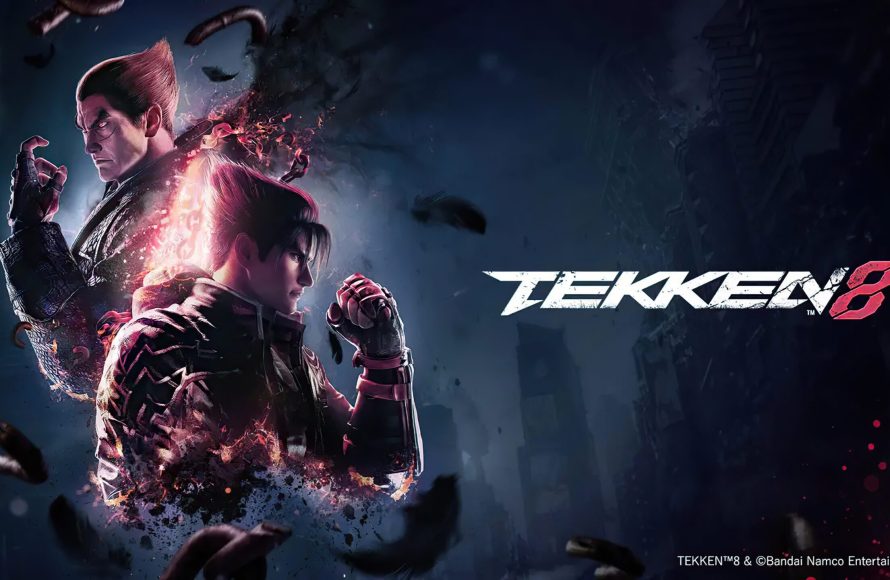
Tekken 8’s historical influence stems from its consistent evolution of 3D fighting mechanics, character design, and narrative storytelling, all building upon past iterations and genre trends.
Tekken 8 games historical influence isn’t just about a new chapter; it’s a culmination of a legacy. This installment carries forward the core fighting system fans adore, refining it further. It takes inspiration from its predecessors while adding new layers of complexity.
This evolution is a testament to how Tekken has consistently shaped the 3D fighting game genre.

Tekken 8’s Historical Footprint: More Than Just a Fight
Tekken 8 is not just another fighting game; it’s the latest chapter in a story that spans decades. To truly understand the game, we have to look back at its roots and see how the past has shaped its present. This isn’t just about old characters returning; it’s about how the series as a whole has grown and changed while still keeping its unique fighting style and personality. It’s about the trail Tekken has blazed in the gaming world.
The Genesis of a Legend: Tekken’s Early Days
The original Tekken game, released in 1994, was a big deal. It arrived during a period of explosive growth for 3D fighting games. While games like Virtua Fighter had already entered the 3D scene, Tekken brought something different to the table. It had a more grounded, less floaty feel than some of its contemporaries. Instead of focusing solely on complex combos, Tekken emphasized strategic movement, precise timing, and a diverse cast of characters with distinct fighting styles.
The Impact of Tekken on 3D Fighting
Tekken made 3D fighting accessible to a wider audience. Its controls were relatively easy to pick up, but still offered plenty of depth for those who wanted to master its mechanics. This balance made it popular in arcades and on consoles, quickly making it a household name. The roster of fighters, each with their own unique backstories and motivations, was another key part of its success. You could choose a cool martial artist like Paul Phoenix, a mysterious ninja like Yoshimitsu, or a powerful wrestler like King. This cast diversity drew in players from all walks of life, eager to find someone who connected with their personal playing style and preference. That first game was where it all started, building the foundation for everything that would come later.
Tekken’s Evolution: A Legacy Forged in Innovation
Over the years, each new Tekken game has built upon the previous ones, adding new characters, moves, and game systems. These changes haven’t always been tiny tweaks; they often brought significant changes to the core gameplay. Tekken 3, for example, is considered by many fans to be a major turning point for the series. It introduced the movement system that is still used today in the latest iteration, improved graphics significantly, and presented some iconic characters like Jin Kazama, who has become a central protagonist of the entire franchise. This evolution wasn’t always smooth; sometimes fans didn’t agree with changes. But this commitment to innovation is a key part of what makes the Tekken series so interesting and enduring.
Key Changes Through the Series
- Tekken 2: Refined the gameplay of the original, expanded the cast and continued developing the narrative. Introduced some more memorable characters to the mix.
- Tekken 3: A significant leap forward, featuring much improved graphics, the sidestep and sidwalk mechanic which is one of the core moves of the gameplay and new characters like Jin and Hwoarang, and is generally regarded as one of the greatest fighting games ever made.
- Tekken 4: Introduced environmental interactions and added some unique twists to the system, taking the fighting out of enclosed areas and added uneven stage floors and walls that characters can bounce off.
- Tekken 5: Introduced a crushing system and the ability to customize your fighter’s appearance. It is regarded as one of the best in the series for its solid gameplay.
- Tekken 6: Added the Rage system and new mechanics, the first iteration to include full online functionality as well as a standalone campaign mode.
- Tekken 7: The most recent main installment before Tekken 8, further refined gameplay, brought back the story with more of a cinematic presentation, and introduced characters from other gaming series like Akuma and Geese.
The Story So Far: How Tekken’s Narrative Influenced the Game
More than just punching and kicking, Tekken has a long and complicated story that plays out across the games. The Mishima family saga is at the center of it all, with all the fighting around the dark and troubled relationship between family members. Heihachi, Kazuya, Jin, and even characters like Lars have all played big roles in this ongoing drama. This isn’t just random fighting; there’s always a reason behind every battle. The personal stories of the characters and their relationships influence the matches. This continuous narrative builds investment beyond pure combat.
The Mishima Family Saga
The complex relationships and motivations of the Mishima family form the cornerstone of Tekken’s narrative. Each game has added new layers to the characters’ backgrounds and motivations, leading to a deep storyline that keeps fans engaged. The conflict between Heihachi’s ambition, Kazuya’s rage, and Jin’s struggle for peace has propelled the series for over two decades. It is a story that explores power, vengeance, and redemption, making it much more complex than your average fighting game plot.
Beyond the Mishimas: A World of Diverse Characters
While the Mishima clan takes center stage, the series has provided many memorable characters with their own rich backgrounds. From law enforcement agents to assassins, from friendly martial artists to robotic fighters, each character has a story that connects them to the bigger picture. These characters often intertwine, influencing each other in a web of relationships and rivalries. This adds a richer, more dynamic texture to the game and is a big draw for the series.
The Impact on Competitive Gaming: Tekken’s eSports Journey
Tekken’s blend of complex gameplay and deep character rosters made it a perfect fit for competitive gaming. The game has a long history in tournaments, attracting players worldwide who enjoy playing competitively, but also enjoying the strategy, knowledge and mind games behind every single match. Events like the Evolution Championship Series (EVO) often feature Tekken tournaments that attract a large number of fans and competitors. This is because Tekken’s depth of gameplay and the high skill ceiling means that the matches are very exciting to watch.
The Rise of Professional Tekken Players
As the game gained popularity, a group of talented players rose to the top, becoming professional eSports athletes. These players dedicate themselves to honing their skills, studying the game in depth, and participating in major tournaments. Their presence has further boosted the appeal of competitive Tekken. Many of these competitors are well known for their specific fighting styles and unique approach to the game, creating rivalries and adding an additional layer of drama.
Tekken’s Influence on the Fighting Game Community
Tekken has played a huge role in shaping the fighting game community as a whole. It encouraged a culture of skill, precision, and strategic thinking. The series has fostered a sense of camaraderie among players of different backgrounds, who are all united by their love of the game. Tekken’s popularity has helped in spreading the word about fighting games and bringing more fans to the genre.
Tekken’s Cultural Impact: More Than Just a Game
Tekken has become more than a video game; it’s a cultural phenomenon. The characters have become iconic. From costumes to mannerisms, they are recognizable to many people. The game’s music is celebrated in it’s own right, with many fans enjoying the soundtracks outside of playing the game. Its influence can be seen across a variety of different forms of media. Tekken has transcended the traditional boundaries of gaming and has permeated popular culture.
Character Recognition and Merchandise
The unique designs of Tekken characters have led to a large variety of merchandise, including figures, clothing, and accessories. This merchandise has allowed fans to express their love of the game and its characters. Characters like Jin, Nina, and King are now widely recognized even outside the gaming community.
Music and Art Direction
The music from Tekken is another influential aspect of the game. Many of the tracks have become recognizable to fans and are considered to be among the best in the fighting game genre. The game’s art direction has also been very influential, with its blend of realistic character designs and over-the-top visual effects. The style is a trademark of the franchise.
Tekken 8: A New Chapter Built on History
Tekken 8, as the newest installment, is a game built on the legacy of its predecessors. It retains the core fighting mechanics that fans love, while introducing fresh elements to the system, refining the moves, and adding entirely new fighting styles to characters. It draws from Tekken’s rich history by bringing back fan-favorite characters while introducing new faces to the world of the King of the Iron Fist Tournament. The story is also a continuation of the long Mishima family arc, adding new layers to the ongoing drama. It is a testament to the games’ enduring appeal.
Paying Homage to the Past While Pushing Forward
Tekken 8 manages to be both a celebration of the series’ past and a step forward for its future. The game has a reverence for what came before while not being afraid to add new features and mechanics. By bringing back older characters, modernizing their looks and fighting styles, and still pushing the gameplay forward is a very delicate balancing act. This blend of new and old makes Tekken 8 a captivating and exciting game for both long-time fans and newcomers to the series.
The Future of Tekken
Tekken’s influence on the fighting game landscape is undeniable, with its impact being visible across a range of areas, from game mechanics and character design to competitive play. The release of Tekken 8 is not just the latest game in a long running series, it’s an event that is celebrated by many people around the world. The franchise has shown that with a blend of strategic depth, diverse characters, and a captivating narrative, the fighting game genre can have an impact on gaming culture. As the series moves forward, it’s sure to leave a lasting legacy for years to come.
Tekken 8 is more than just a new game; it’s a celebration of the fighting game series’ long and influential history. It’s a reminder of how far Tekken has come, and it gives us a glimpse into how the game might continue to affect the gaming world.
The Martial Art Philosophy of TEKKEN 8 Story DLC: Analysis and Review
Final Thoughts
Tekken 8’s influence stems from its series legacy. It refines core gameplay mechanics and adds new systems. This evolution builds on previous titles, pushing the genre forward. Tekken 8 games historical influence is evident in its design. It continues to shape fighting games with its engaging combat and deep roster. The title’s impact will be felt in future releases.

