
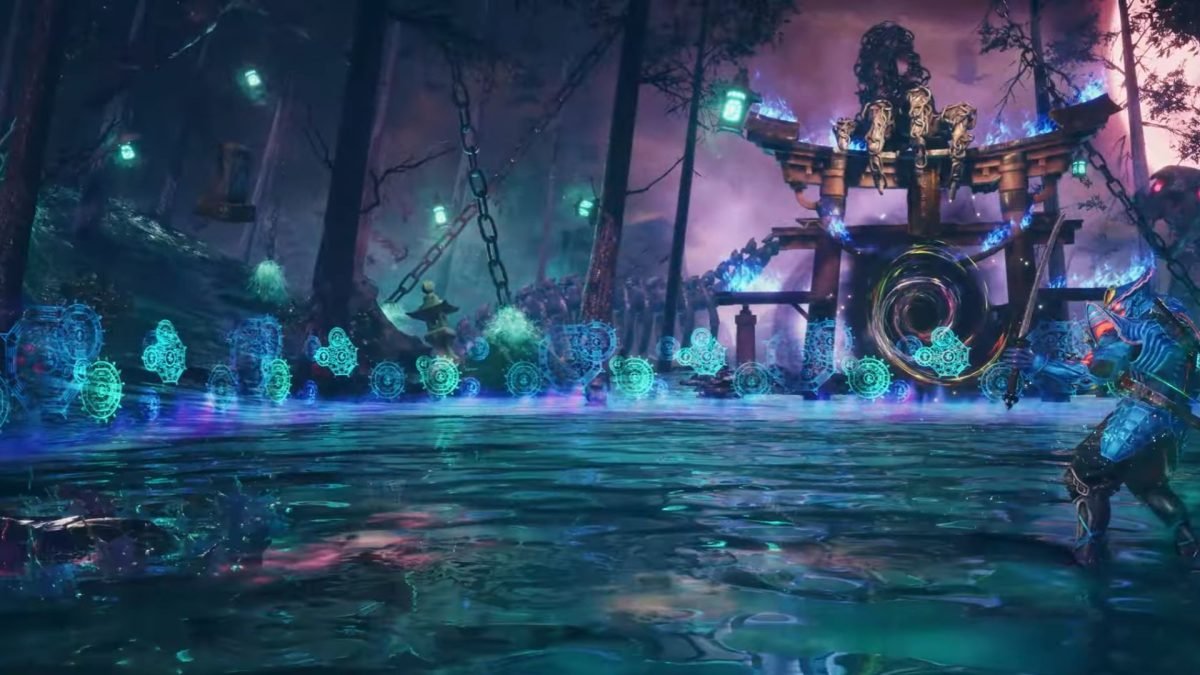
The Tekken 8 stage design features dynamic environments with destructible elements and varied layouts, impacting gameplay significantly.
Ever wondered how much the arenas you fight in actually matter? In Tekken 8, how is the stage design a factor in the matches? It’s more impactful than you might think.
The interactive elements and varied layouts contribute to strategic decision making. Players can use the environment to their advantage, or even fall victim to it.
The destructible walls and floor breakaways change the battle dynamics during fights. It adds another layer of complexity, making each match feel fresh and unique.

Tekken 8: How Is the Stage Design?
Alright, let’s dive into the world of Tekken 8 stage design! It’s not just about pretty backgrounds; the stages in Tekken are like another character, influencing how you fight. They can be your friend or your foe, so understanding them is a big deal. Tekken 8 takes stage design to a whole new level, offering some of the most interactive and visually stunning environments the series has ever seen. Whether you’re a pro or a beginner, knowing your way around these arenas is key to victory.
The Visual Spectacle: More Than Just a Backdrop
First off, the graphics in Tekken 8 are amazing! The stages are super detailed, and they look like real places. Each one is designed to feel unique, not just copy-pasted. From bustling city streets to peaceful forests, the environments really bring the fights to life. You’ll see things like falling leaves, splashing water, and even fireworks going off, which makes each battle feel like a special event. The vibrant colors and smooth animations make each arena a treat for the eyes.
Environmental Storytelling
But it’s not just about looking nice. The backgrounds tell stories, too. You can see clues about where you are and what’s happening, like the ruined buildings hinting at a past conflict or a serene temple suggesting a peaceful location. These details add depth to the game and make the fights more immersive. For example, a stage set in a futuristic city might show flying cars and towering skyscrapers, while a jungle stage will have dense vegetation and ancient ruins. These small details add a lot to the atmosphere of each fight.
Stage Gimmicks and Interactive Elements
Tekken 8’s stages are not just for show; they are actively part of the fight. This is where things get really interesting. Many stages have elements that change or react as the fight goes on.
Wall Breaks and Floor Breaks
One of the biggest things is the wall and floor breaks. You can send your opponent crashing through walls, creating new fighting areas, or smash through floors to drop them into lower areas. These changes affect how you approach the fight. You need to keep an eye out for these breaks so you can use them to your advantage or avoid being sent through them. They add an element of unpredictability that makes each match exciting.
Dynamic Environments
Some stages have moving parts! Imagine fighting on a bridge that’s swaying or a platform that’s rising or falling. These dynamic elements add another layer of challenge and excitement. You must adapt to changes in your surroundings as you fight. The stages feel more alive and less static. These elements forces players to adapt in real-time, rather than relying on the same strategy throughout the fight.
Stage Hazards
Watch out for hazards! Some stages have traps or dangers you need to avoid. You might find yourself in an arena with exploding barrels, or slippery surfaces, which can make you or your opponent fall and leave them open for attack. Learning where these hazards are located is important. Players must pay attention to their surroundings to avoid these pitfalls, adding another dimension to combat strategy.
Impact on Gameplay: How Stages Affect Fights
Now, let’s see how all these stage features actually impact the way you play.
Spacing and Positioning
The size and layout of a stage can totally change your strategy. Small stages mean you’re close to your opponent, forcing more aggressive, close-range combat. Larger stages give you more space to move around and use ranged attacks. The shape of the stage, like a wide-open area or a narrow corridor, also matters a lot. You need to pick your moves wisely based on the stage’s layout. Knowing where the walls and breakable floors are becomes important for setting up combos and avoiding traps.
Offensive and Defensive Strategies
The stage design also affects how you attack and defend. Stages with lots of wall breaks let you create opportunities for long combos and extra damage by pushing your opponent through them. Stages with hazards encourage you to move carefully and use your opponent’s mistakes against them. Certain characters might excel in some stages compared to others. For example, characters with good movement might thrive in open stages, while aggressive characters might prefer smaller, more enclosed environments.
Adapting to Different Stages
Being good at Tekken 8 means knowing how to adapt to different stages. You can’t use the same plan for every arena. You need to take the time to learn each stage’s layout, its hazards, and its interactive elements. That way, you can use these features to your advantage rather than being surprised by them. Every stage provides a new puzzle to solve and adds a great deal to the game’s overall replayability.
Examples of Unique Stage Designs in Tekken 8
To give you a better sense, let’s look at a few examples of the unique stages in Tekken 8:
Urban Showdown
- Setting: A bustling city at night, complete with neon lights and busy streets.
- Features: Lots of wall breaks, cars that can be used as obstacles, dynamic lighting effects.
- Gameplay Impact: Fast-paced fights, lots of opportunities for wall combos, and the lighting makes it a fun atmosphere.
Temple of Serenity
- Setting: An ancient temple in a serene mountain setting, complete with waterfalls and cherry blossoms.
- Features: Platforms that can be destroyed, water that can cause a slip, and peaceful, calming environment.
- Gameplay Impact: More strategic fights, with a focus on platforming and positioning. The calming environment might be distracting.
Volcanic Arena
- Setting: A fiery arena with lava flows and volcanic activity.
- Features: Lava that can cause damage, platforms that move and crumble, a very tense and hot environment.
- Gameplay Impact: Careful movement is crucial, risk vs reward is key when near lava, a hot and dangerous place to fight.
The Beachside Brawl
- Setting: A lively beach with crowds, surfboards, and clear blue water.
- Features: Soft sand that can affect movement, areas to knock opponent into the water, and a very vibrant atmosphere.
- Gameplay Impact: More about movement control, very good for a fast-paced type of play, using the water to get some distance from opponents.
Abandoned Factory
- Setting: A dilapidated factory with rusty pipes and conveyor belts.
- Features: Dangerous machinery, hazards scattered throughout the area, and the atmosphere is gritty.
- Gameplay Impact: Avoid the dangerous machinery, keep on your toes, and the area is great for those who can use hazards very well.
Tekken 8 Stage Design: A Summary
In summary, the stage design in Tekken 8 is way more than just pretty backdrops. The stages are interactive, and they can affect how you fight. The level of detail is really great, and there is a lot of variety in the locations. Whether you want to fight in a futuristic city or in a peaceful temple, there is something here for everyone. Each stage makes you think and adapt your fighting style. So if you want to win, you have to study the stages and use them to your advantage.
The design of the stages in Tekken 8 helps keep each fight fresh and exciting. They encourage players to learn and adapt, ensuring that every battle is a unique experience. The developers have put a lot of effort into making sure each stage is a place where you don’t only fight, but also a place that has it’s own story to tell. In doing so, they’ve raised the bar for what we expect from fighting game environments.
Tekken 8: Why It Has the Best 3D Stages Compared to Mortal Kombat 1 and Street Fighter 6
Final Thoughts
Tekken 8’s stage design shows varied and dynamic environments. The destructible elements add an engaging layer. Some stages have distinct verticality, creating interesting fight scenarios. These features influence how you approach combat.
Overall, Tekken 8 how is the stage design? It’s diverse, interactive, and enhances the fighting experience. The stage design encourages players to adapt strategies. The overall design is quite well executed.

