
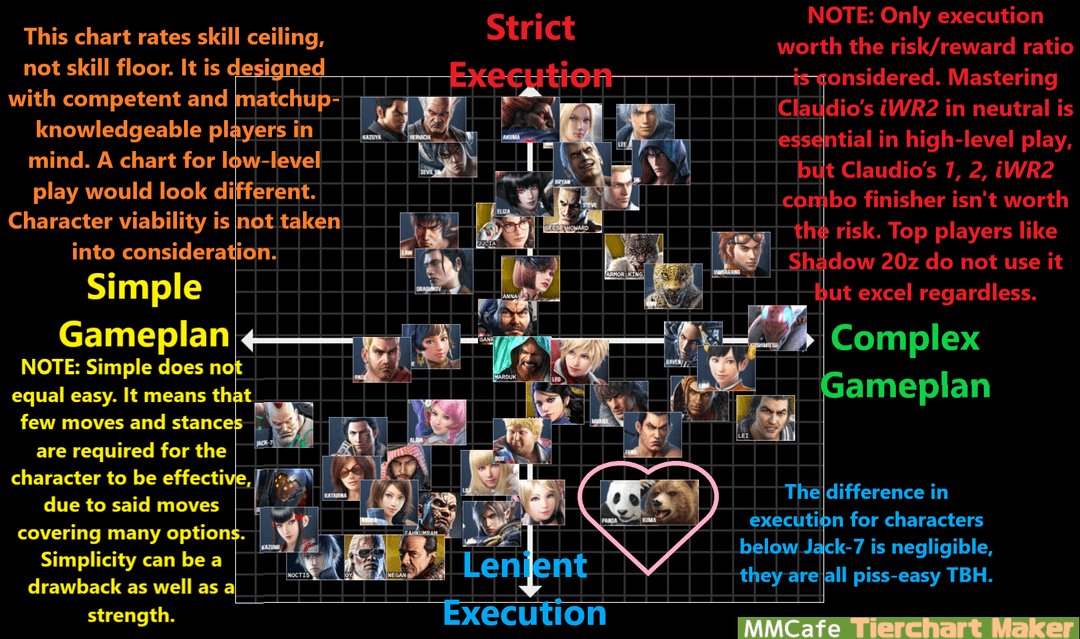
Executing a game plan well in Tekken 8 involves understanding your character’s strengths, identifying your opponent’s weaknesses, and adapting your strategy throughout the match.
So you want to consistently win in the Iron Fist Tournament? The key isn’t just knowing combos, it’s about knowing how to apply a complete strategy. We’ll discuss how to execute a game plan well in Tekken 8, because simply mashing buttons will only take you so far.
A solid game plan will help you control the flow of the fight. It requires recognizing patterns, and adjusting your actions accordingly. This means you have to be ready to switch up your offense and defense depending on what you’re seeing.

Tekken 8 How to Execute a Game Plan Well
Okay, so you’re ready to dive into Tekken 8 and climb those ranks. You’ve got your favorite character, you know a few cool moves, but something is still missing. That missing piece? It’s a solid game plan. Just throwing out random attacks won’t cut it against skilled opponents. A good game plan is like a map, it helps you navigate the match and get the victory. Let’s break down how to create and, most importantly, use a game plan in Tekken 8.
Understanding Your Character’s Strengths
Before you even think about a game plan, you need to know what your character is good at. Are they a rushdown monster who loves to get in your face? Or are they more of a defensive wall, waiting for the perfect moment to strike? Here’s how to figure that out:
Move List Deep Dive
Don’t just skim through the move list. Really study it. Look for moves that are:
- Fast: These are great for interrupting your opponent or sneaking in a quick hit.
- Long Range: Keep opponents at bay, control the pace of the match.
- Safe on Block: These moves don’t leave you vulnerable if your opponent blocks them.
- Power Moves: Big damage, use wisely.
- Mix-Up Tools: Moves that can be highs, lows, mids, making it hard for your opponent to block everything.
Practice Mode is your Friend
After identifying moves that fit your playstyle, head to practice mode. Spend some time trying out different attacks, find combos, and figure out what links well into other attacks. See how different attacks feel in a real situation.
Watch Pro Players
See how pro players utilize your character. What kinds of moves do they use? When do they use them? Watching the best can help you better understand how your character was made to be played, and how to get the most out of them.
Identifying Your Opponent’s Weaknesses
A game plan is not just about what you do; it’s also about reacting to your opponent. Observing your opponent to see their common actions and weaknesses will make your game plan more effective.
Reading Their Play Style
Does your opponent like to attack non-stop? Do they tend to turtle and wait? Do they spam certain moves? Look for these patterns early in the match. A successful game plan should adapt to their style.
Recognizing Common Mistakes
Everyone makes mistakes. Maybe they like to use a move that’s unsafe on block. Maybe they don’t block low attacks often. By recognizing these things, you can create a strategy that takes advantage of their flaws.
Adjusting Your Plan
Don’t be afraid to change your game plan during the match. If something isn’t working, switch it up! This adaptability is key to winning.
Building a Basic Game Plan: The Core Principles
Now that you understand your character, and how to read your opponent, it’s time to start building a plan. Here are some core principles for your strategy:
Neutral Game
This is the part of the match where nobody is really attacking. It’s about spacing, movement, and trying to create openings. Here’s what to focus on:
- Poking: Using fast, safe moves to try and catch your opponent off guard.
- Movement: Use movement to create openings and avoid your opponent’s attacks. Sidestepping, back dashing, and forward dashes are all useful tools in the neutral game.
- Whiff Punishing: Capitalizing on an opponent’s missed attacks with a strong punish.
Offensive Pressure
When you are on the attack, you need to put pressure on your opponent. This doesn’t just mean hitting them constantly. It’s about controlling them:
- Mix-ups: Keep your opponent guessing by mixing up highs, lows, and mids. If they only block one type of attack, you can go for the others.
- Frame Traps: Creating small gaps in your attacks that tempt your opponent to try and attack, only to be countered by you.
- Pressure Strings: Series of attacks that put your opponent in a position that makes it hard for them to respond.
Defensive Play
You can’t just go on the attack all the time. You need to know how to defend when under pressure.
- Blocking: The most basic but the most important tool. You must be proficient in blocking high, mid, and low attacks.
- Movement: Use back dashes and sidesteps to evade incoming attacks.
- Punishing: Learn to identify moves that are unsafe on block and punish them accordingly.
- Reversal/Parry: Certain characters have access to reversal or parry moves that can turn the tide of battle.
Putting it all Together: The Execution Phase
Having a plan is great, but now you need to put it into practice. Here’s how to use your game plan well:
Start Slow
In the first round or two, don’t go all-out. Focus on observing. Look for your opponent’s habits. What kind of attacks do they usually use? Are they good at blocking? Are they good at sidestepping?
Adapt, Adapt, Adapt
As the match progresses, adjust your game plan. If your plan isn’t working, switch it up. If they are sidestepping your attacks to the left, sidestep to the right. If they are blocking all your mids, go for more lows. Don’t be afraid to alter your strategy mid-match.
Don’t Overthink
While it is important to have a game plan, you don’t want to get too stuck in your head. If you focus too much on what to do, you may miss important moments in the match. Just relax, observe, and act!
Advanced Game Plan Concepts
Once you have the basic game plan down, you can go even deeper.
Character Matchups
Some characters have an advantage over other characters. Knowing your matchups will help you better prepare for the match before it even begins. Some characters are good at close range, others at long range. Playing to your strengths, and around your opponent’s is essential.
Mental Warfare
Tekken is as much of a mental game as it is a physical one. Try to get inside your opponent’s head. Condition them to expect certain things, and then do something else. Change up your timings. Mix-up your attack patterns. The idea is to make them confused, thus making them easier to read. Don’t let them dictate the pace of the match.
Setups and Okizeme
Setups and Okizeme can be very dangerous to your opponent when used correctly. A setup is a planned attack that can catch opponents off guard. Okizeme is when you have control over your opponent’s wakeup and set them up into an attack.
Examples of Specific Game Plans
Let’s look at how some different characters might approach a match based on their abilities:
Example 1: Rushdown Character
A character who is great at close-range combat will want to get in the opponent’s face as quickly as possible. The game plan might look like this:
- Neutral: Close the distance using dashes, and use fast pokes to pressure the opponent.
- Offense: Mix-up fast attacks with grabs and quick low strikes to keep them guessing, create frame traps that cause the opponent to attack first, and punish them for doing so.
- Defense: Block and sidestep when necessary, look for opportunities to interrupt the opponent’s attacks.
Example 2: Defensive Character
A defensive character might have a game plan that focuses more on waiting for the right time to strike. Their game plan will be:
- Neutral: Maintain space using long-range moves and strong movement, look for opportunities to whiff punish the opponent.
- Offense: Use slow but powerful moves when there is an opening, and only attack when the opponent makes a mistake.
- Defense: Block and evade attacks, punish unsafe attacks when you have the chance.
Example 3: Balanced Character
A balanced character can play both offensively and defensively. The game plan may look like this:
- Neutral: Use movement and pokes to probe the opponent’s defenses.
- Offense: Mix-up attacks, utilizing pressure strings.
- Defense: Use strong defensive movement, block, and look to punish mistakes with safe and fast attacks.
Practice Makes Perfect
Creating a game plan isn’t something you will learn overnight. It takes time, experience, and losing matches to really understand how to plan and execute. The key is to keep practicing, keep analyzing, and keep trying new things. Tekken 8 is a deep game, and the more you put into it, the more you’ll get out of it. Use every battle as an opportunity to improve and try to reach that next level.
A good game plan in Tekken 8 is not just about knowing the right moves, but it is also about knowing how to use them, and more importantly, adapting your approach based on your opponent. The better you understand the game, your character, and your opponent, the more effectively you will be able to plan and execute during any battle. Start with the basics, learn from each match, and never stop improving.
Tekken 8 Basics: Offense (beginner Guide/Tutorial)
Final Thoughts
To execute a game plan effectively in Tekken 8 how to execute a game plan well, players must understand character matchups, and adapt their style. Prioritizing defense and punishing opponent’s mistakes is a must. Players need to make reads and adjust their strategy on the fly during matches.
Carefully managing resources and controlling space are other important aspects of gameplay. These key elements will help you significantly improve your success in Tekken 8.

