
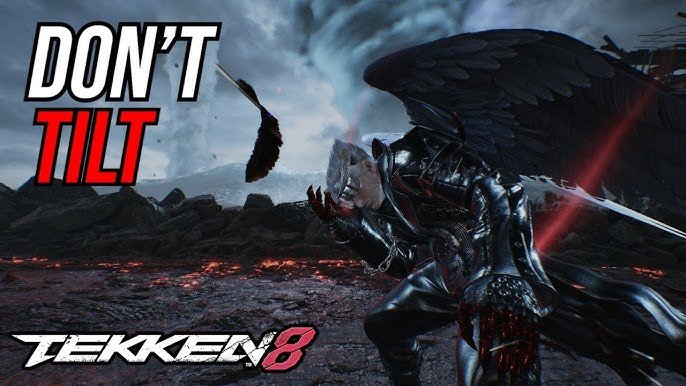
Improving your mental game in Tekken 8 requires practicing mindful gameplay, understanding your opponent’s patterns, managing your emotions, and adapting strategies consistently.
Frustration is a common enemy in fighting games, and Tekken 8 is no exception. Many players focus solely on combos and techniques, but fail to address the psychological side of the battle. Learning how to improve mental game in Tekken 8 can be the critical factor between a win and a loss.
This aspect of gameplay, though often overlooked, can drastically enhance your performance. It is about maintaining focus, controlling reactions, and planning ahead during intense matches. A strong mindset lets you adapt to unexpected situations quickly and outsmart your adversary.

Tekken 8 How to Improve Mental Game
Alright, let’s talk about something that’s just as important as knowing your combos in Tekken 8: your mental game. You can have all the fancy moves memorized, but if you fall apart under pressure, it’s going to be a tough fight. This part is about how to get your head in the game, stay calm, and make smart choices when the heat is on. We’re going to go over some simple but super helpful tips to help you become a more focused and resilient fighter.
Understanding the “Tilt”
Ever felt like you’re doing great, then suddenly, everything goes wrong? That feeling is what many players call “tilt.” It’s when you get frustrated or angry, and it makes you play worse. When you are tilted, you stop thinking clearly and start making silly mistakes. Recognizing tilt is the first step to controlling it. Imagine you’re playing a game, and you get hit with the same move over and over. You might start getting really annoyed, and instead of figuring out how to avoid it, you start mashing buttons. This is tilt in action.
Signs You Might Be Tilting
- Getting easily frustrated: Feeling annoyed by small things that usually don’t bother you.
- Making risky choices: Doing moves that are not smart or that you wouldn’t normally do.
- Playing faster and more recklessly: Trying to win too quickly, and not thinking about your actions.
- Becoming defensive or blaming others: Getting angry and not accepting your mistakes.
- Repeating the same mistakes: Continuing to get caught by the same things.
How to Avoid or Recover from Tilt
Learning to handle tilt is very important if you want to become better at Tekken. Here are some tips to help you avoid getting frustrated or to quickly recover if you start feeling that way:
- Take a break: If you feel yourself getting angry, step away from the game for a little bit. Do something relaxing like listening to music or stretching. Even a five-minute break can make a big difference. When you come back, your mind will be clearer.
- Breathe deeply: When you get upset, take slow, deep breaths. This helps calm your body and mind. Count to four while you breathe in, hold for two seconds, and then count to six as you breathe out. Do this a few times, and you’ll start to feel less stressed.
- Focus on learning: Instead of focusing on winning or losing, focus on what you can learn from the game. If you get hit by something, think about why it happened and how you can avoid it next time.
- Play mindfully: Try to be more aware of how you are feeling while you are playing. If you notice that you are getting frustrated, you can take a break before you completely lose your head.
- Acknowledge your feelings: Don’t try to ignore your frustration. Accept that you’re upset, and then work on letting it go. Saying to yourself, “Okay, I’m a little frustrated, but I’m not going to let it ruin my game,” can be very powerful.
The Importance of Adaptability
Tekken 8 is not just about knowing the moves; it’s also about being able to adjust to what your opponent is doing. You need to be like a detective, watching for clues, and changing your game plan accordingly. It’s like a puzzle where you need to figure out how your opponent likes to play and find ways to beat their strategy.
How to Adapt Your Game
- Observe your opponent: Watch what moves they like to use, how they react to your attacks, and if they have any habits. Do they always start with a specific move? Do they often block high? Use this information to plan your next move.
- Change your tactics: If your usual strategy isn’t working, try something different. Don’t keep doing the same thing if it’s not getting results. If they always block low, try a mid-attack. If they keep attacking, try to defend and counter.
- Don’t be predictable: If you always do the same thing, your opponent will catch on. Mix up your moves and change your timing. Use different kinds of attacks like highs, mids, and lows so it’s harder for them to know what to expect.
- Be patient: Don’t feel like you have to win every round quickly. Sometimes, it’s better to play carefully and look for the right opportunities. Being patient means you are not just reacting; you are thinking and creating your chances.
- Learn to counter: Learn how to punish your opponent’s common moves. Many moves leave them open to attack if you know how to react. Knowing when and how to counter will make your game much stronger.
Controlling Your Emotions
It’s easy to get caught up in the excitement or frustration of a match. However, staying in control of your feelings is a key part of a good mental game. If you let your emotions take over, you will have a harder time thinking clearly and playing smart.
Tips for Staying Calm
- Focus on the process: Instead of focusing only on winning, concentrate on how well you’re playing. Are you following your strategy? Are you adapting to your opponent? When you are focused on these things, the outcome becomes less important, and this helps you stay calm.
- Manage expectations: Understand that you won’t win every game, and that’s okay. Everyone loses sometimes. It is a chance to learn. Don’t put too much pressure on yourself to always win.
- Positive self-talk: Encourage yourself with positive thoughts. Instead of saying, “I’m so bad,” try saying, “Okay, I can learn from this.” Talking positively to yourself can help you stay confident even when you are losing.
- Stay present: Focus on the current round and not the ones you lost. It’s no good dwelling on mistakes from the past or worrying about future matches. Concentrating on what is happening right now will help you to perform better.
- Remember to have fun: Tekken 8 is a game, so remember to enjoy it. When you are having fun, you will feel less stressed and play better. When you are relaxed, you’re more likely to make better decisions.
Understanding Your Opponent’s Mind
A big part of a strong mental game is not just understanding your own feelings and actions, but also thinking about what your opponent might be thinking. This is about getting into their head, figuring out their strategies, and using that information to gain an advantage.
Key Things to Consider About Your Opponent
- Their Playing Style: Are they aggressive, constantly attacking, or are they more defensive, waiting for you to make a mistake?
- Their Habits: Do they keep using the same moves? Is there a certain situation where they always do the same thing?
- Their Emotions: Can you tell if they are getting frustrated or impatient? How might they react to that?
- Their Weaknesses: Does their strategy have any obvious vulnerabilities that you can take advantage of?
- Their Strengths: What are they good at, and how can you play around that?
Using This Information to Your Advantage
- Predict Their Moves: Based on their habits and playstyle, try to guess what they will do next. This will allow you to anticipate and counter them.
- Set Traps: Knowing what they will try to do can let you create situations where they fall into your traps. For example, if they like to attack a lot, you could wait and punish their moves.
- Mental Warfare: Sometimes, just changing your style can throw your opponent off. If you start to play more passively after being very aggressive, it can make them hesitate and make mistakes.
- Adjust Your Game: Being able to understand your opponent makes it easier to change your strategies and find things that work.
- Stay One Step Ahead: By understanding what is happening in their mind, you can make your opponent feel like they don’t know what’s coming. That can give you the edge you need to win.
Learning from Losses
Losing is a part of any competitive game. How you deal with your losses is what separates the people who improve from the ones who stay the same. A loss can be a chance to learn if you see it that way.
How to Analyze Your Losses
- Watch Replays: Use the replay feature to watch your matches again. Seeing the game from a different perspective can help you spot your errors or missed opportunities.
- Identify Mistakes: Did you get caught by the same move over and over? Were you too aggressive or not aggressive enough? Focus on what you did wrong and note these mistakes.
- Understand Why You Lost: Was it a lack of skill, a bad strategy, or maybe tilt? Understanding the reasons for your losses helps you address the real issues.
- Focus on Specific Areas: If you notice that you keep messing up in certain situations, spend some time practicing that part. If you’re always being punished for attacking too much, practice defending more.
- Ask for Advice: If you are having trouble figuring out what you are doing wrong, ask a friend or a more experienced player for advice. Sometimes it takes a different set of eyes to help spot the weaknesses you may not notice.
Turning Losses into Opportunities
- Don’t Get Discouraged: Remember that everyone loses. It’s how you use your losses that matters. Don’t let a few bad games make you feel like you’re not good enough.
- Learn New Strategies: Losing can show you new ways that you need to play. The moves that people use against you can be something to add to your game.
- Become More Adaptable: Each loss is an opportunity to improve your adaptability. When you are more flexible, you will be better prepared to handle any type of opponent.
- Build Resilience: When you accept your losses and try to learn, you get stronger mentally. It makes you ready to face any challenge with a positive attitude.
- See it as Part of the Process: Losing is a part of learning. It is essential to your journey of becoming a better Tekken 8 player.
Practice with Purpose
Playing the game a lot is good, but practicing with purpose is how you get really good. This means not just playing mindlessly, but having clear goals for each session and thinking about what you want to improve.
How to Structure Your Practice
- Set Goals: Before you play, decide what you want to focus on. Maybe you want to get better at doing a certain combo, or you want to improve your defense against a particular character. Having clear goals will help keep you focused.
- Break it Down: Don’t try to improve everything at once. Focus on one skill or area at a time. This makes it easier to see improvement and stay motivated.
- Use the Training Mode: Training mode is your best friend for practice. Spend time practicing combos, practicing movement, or figuring out how to counter your opponent’s moves. It allows you to slow things down and really learn.
- Focus on Fundamentals: Don’t neglect the basics. Make sure you know how to block, punish, move around, and do your basic attacks. When your basics are strong, it makes everything else easier.
- Practice Regularly: Consistent practice is important for improvement. Try to set aside time each day or week to play, even if it’s just for a little while. Regular practice will help to get your skills on lock.
Making Practice More Effective
- Record Your Practice Sessions: Use your device to record your games while you are in training mode. When you replay it, you can see how you are progressing and if you are doing what you want to do.
- Find Practice Partners: Playing against different people will help you become a better player. Play against people who are better than you and who can help teach you.
- Analyze Your Practice: After you practice, look back and think about how well you achieved your goals. Did you make progress? What can you do better next time?
- Be Patient and Consistent: Improving takes time and effort. Don’t give up if you don’t see progress right away. Keep practicing, be patient, and eventually you will become the player you want to be.
- Have Fun: Remember why you play the game in the first place. Practice should be challenging, but it also should be fun. If you stop having fun, you should re-evaluate what you are doing.
By following these steps, you’re on your way to building a strong mental game in Tekken 8. Remember that it’s a process, and it takes time and effort. Be patient with yourself, keep learning, and most importantly, have fun!
Mental tips to play your best Tekken – Tekken 8
Final Thoughts
To improve your Tekken 8 mental game, practice mindfulness during matches. Identify and control emotional responses that hinder decision-making. Analyze your losses to spot mistakes rather than dwelling on frustration.
Adapt your strategy between rounds and matches, using acquired knowledge to your advantage. This approach will aid in maintaining composure and focus. A strong mental approach is key to success.
Ultimately, consistent practice and reflection are vital. A balanced mindset directly impacts your gameplay in Tekken 8. Remember, Tekken 8 how to improve mental game is a journey.

