
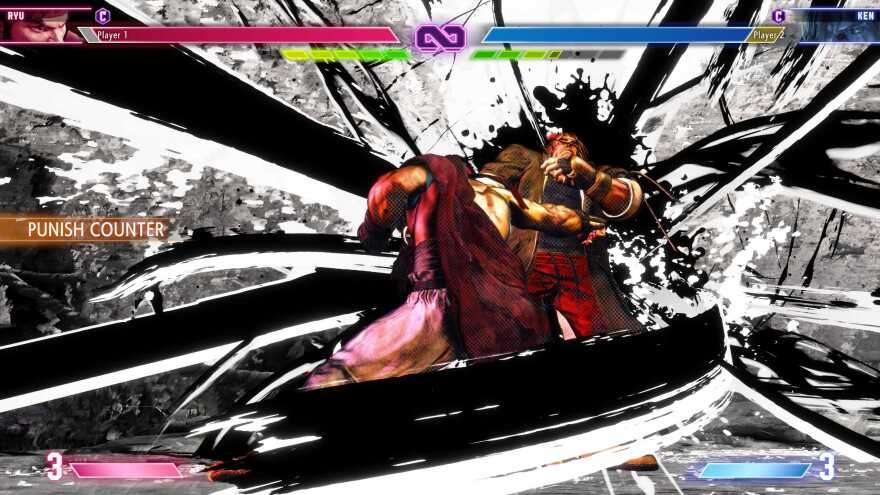
Knowing frame data and using fast moves after your opponent whiffs or blocks unsafe attacks is key to punish enemy errors in Tekken 8.
Frustration mounts when you keep getting hit, right? But what if you could turn the tables? In Tekken 8, how to punish enemy errors is the crucial skill you need to dominate. It’s about capitalizing on their mistakes.
Think of it like this: they swing, miss, and now they are vulnerable. You must recognize these openings. This is your chance to launch your own attack. It’s not just about reacting, it’s about anticipation.

Tekken 8 How to Punish Enemy Errors
Okay, so you’re diving into the world of Tekken 8 and feeling the heat of battle. You’re landing some cool moves, but you know that the real secret to winning lies in capitalizing on your opponent’s mistakes. This isn’t just about button mashing; it’s about understanding the game’s flow and knowing how to punish your enemy’s errors effectively. Let’s talk about exactly how to do that and turn their missteps into your victories!
Understanding the Basics of Punishing
Before we jump into specific moves and situations, let’s make sure we’re on the same page about what “punishing” actually means. In Tekken 8, a punish is when you quickly hit your opponent after they do something unsafe, meaning their attack leaves them vulnerable to your counterattack. This vulnerability usually happens when their move:
Is blocked (especially if it’s a move that leaves them at a disadvantage).
Misses completely (whiffs).
Is slow to recover.
Think of it like this: if they throw a punch and miss, you have a small window of time to smack them back before they are ready to defend again. This is your chance to punish! Understanding this timing is crucial for good gameplay.
Identifying Common Unsafe Moves
Knowing which moves are unsafe is half the battle. Some moves look super cool, but they leave the attacker wide open if blocked. Here’s a breakdown of common unsafe situations:
Slow, High-Risk Attacks
Big Power Moves: Many big, flashy attacks in Tekken 8 take a long time to execute and recover. If you block these, you’ll often have a significant advantage to punish with your own combo. Moves like rage arts or slower launchers often fall into this category. They may look threatening, but they’re gold for a prepared punisher.
Overly Predictable Patterns: If someone keeps doing the same combo over and over again, it’s not long before they become predictable. If you know what they are doing, you can be ready to block and then counterattack.
Moves that are easily sidestepped: Certain linear moves can be easily sidestepped. If someone relies on these, you will get the chance to punish by stepping aside and then striking them.
Moves with Long Recovery
Some moves have a long animation after they hit or miss. This recovery time makes them unsafe.
Spinning attacks: Some spinning moves may seem great but after they finish, they take a second or two to recover, opening them up for attacks.
Certain low attacks: Some low attacks can be heavily punished if they are blocked, especially if the opponent goes too low to the ground with these moves. The recovery time leaves them vulnerable.
Attacks that move the user forward a lot: If the attack is blocked and moves them forward, it can be especially unsafe.
Moves with Vulnerable Block Stun
When you block an attack, your character goes through a very short stun. Some moves have a lot of block stun, and in this instance, you can follow up by hitting the opponent. Some moves have better block stun than others.
Tools for Punishing in Tekken 8
Okay, we know what to punish. Now let’s talk about how to punish effectively. Tekken 8 gives you several options depending on the situation. Here are some standard methods:
Jab Punishes
Fast and Reliable: Jabs (usually the 1 button) are the quickest moves in the game. They are perfect for punishing minor mistakes or moves with very short recovery. Use them to interrupt your opponent when they are vulnerable.
Great for interrupting slow attacks: If your opponent uses slow jabs, your jab will interrupt their move.
Combo Starters: Some jabs will let you get a bigger combo going.
Standing Punishes
Good range and power: If your opponent whiffs, certain fast standing moves offer good range and power to punish effectively.
Good for whiff punishes: These are good for punishing when the opponent doesn’t connect a move.
Low Punishes
Ideal against high attacks: When you block a high attack that doesn’t put the user at a disadvantage, using a low move can catch your opponent off guard, especially since they think they are safe to use high attacks.
Can get more damage: Some low moves do a lot of damage for how quick they are.
Sidestep Punishes
Evade and counter: Many linear attacks can be sidestepped, allowing you to punish with a lateral attack.
Use sidestep against predictable attacks: If you see a pattern of linear moves, sidestepping becomes incredibly valuable.
Create an opening to punish: Sidestepping puts you at an advantageous angle for launching your own offense.
Launchers
High-damage combos: Launchers can get you the most damage, but they tend to be slower and more risky. Save these for bigger punishes when you are confident they will land.
Use for slow recovery moves: If you see a slow, obvious move from your opponent, you can use a launcher to do heavy damage.
Be careful using too many launchers: If you use too many launchers in a row, they can be predictable and easy for the opponent to counter.
Specific Punishing Scenarios
Let’s look at some examples to show when and how to punish.
Punishing Blocked High Attacks
Scenario: The enemy throws out a predictable high-hitting attack which you block.
Punishment: Since you blocked it, that means they’re at a disadvantage. You can use jabs, fast mid-hitting attacks or even low moves to punish them before they recover.
Punishing Whiffed Attacks
Scenario: Your opponent throws out a move and misses completely.
Punishment: You have more time to punish here, use any fast move or combo to land a counterattack.
Punishing Low Attacks
Scenario: Your opponent throws out a low attack that you blocked.
Punishment: Use your low punishes to take advantage of their low move. Some low moves have slow recovery which will allow you to land a follow up attack.
Punishing Sidestep Attempts
Scenario: Your opponent sidesteps, attempting to bait you into missing your moves.
Punishment: Using tracking moves can be great to catch these sidesteps. Alternatively, you can counter sidestep yourself to get a new angle of attack.
Utilizing Frame Data
Frame data, while a bit more advanced, is crucial for understanding why certain punishes work. Frame data essentially tells you how many frames (1/60th of a second) it takes for a move to start, hit, and recover.
Understanding Frame Advantage: If you block a move that leaves the enemy at a frame disadvantage, it means they cannot attack immediately after you block. You can use a move that comes out faster than your opponent’s follow-up to punish.
Tools for Learning Frame Data: There are resources online, such as websites and community resources, that can give you access to the frame data for the whole cast. This may be difficult for beginners, but it can be a good way to study and learn.
Learning Your Character’s Frame Data: Knowing which moves are fast and which moves are slow is essential for both offense and defense.
Practice Makes Perfect: Training Mode
The best place to practice punishing is the training mode.
Set the opponent to do unsafe moves: In training mode, you can record the opponent doing moves over and over. You can then practice your punishes against these attacks.
Experiment with different punishes: Spend time trying different move options. This helps you find what works best against different unsafe moves.
Practice makes perfect: Repetition is key to ingraining these patterns and developing the muscle memory to punish effectively in live matches.
Adapting to Different Playstyles
Every player has a different style, and they will use moves in different ways. Recognizing these patterns will help you punish their moves. Here are different ways you can adjust:
Defensive Players
Watch for their safe moves: Some players will play extremely safe and rely on pokes.
Use your pokes back: You can try using your pokes as they use theirs.
Be patient and look for an opening: Don’t give them a chance to punish your moves, and wait for them to become unsafe before you attack.
Aggressive Players
They often use unsafe attacks: They may focus on offense and not consider that their moves are unsafe.
They might overuse the same moves: Aggressive players can be predictable and tend to keep doing the same attacks. Be ready to punish them.
Wait for them to make a mistake: Don’t be baited into attacking first, wait for their moves and punish when you can.
Players with specific patterns
Be observant: If a player relies on a certain attack, wait for that moment and be ready to punish it.
Adapt: Don’t give them the opportunity to do their plan, and always be ready to adjust how you play.
Punish predictability: If the opponent keeps repeating a move, don’t let them have the opportunity to land it.
Advanced Punishing Strategies
As you get more experienced in Tekken 8, you can start utilizing more advanced tactics for punishing.
Whiff Punishing in Neutral
Anticipate movement: Sometimes, you can know that the opponent will throw out a move, and you can deliberately make them whiff by moving out of the way.
Use moves with good tracking: Some moves will follow the opponent, even if they move out of the way.
Patience is key: Waiting for the right opportunity to punish requires patience.
Punishing Movement
Watch their tendencies: If you see a player using certain movement patterns, be prepared to punish them when they move in predictable ways.
Use moves that punish their movement: Use fast moves to punish when the opponent moves too much.
Be unpredictable with your movement: Keep your opponent guessing and you will have more opportunities to punish them.
Mix-Ups and Mental Games
Keep the opponent guessing: Vary your punishes. Don’t keep doing the same thing, or the opponent will be ready for it.
Feinting Attacks: Throw attacks, but stop before they start, to bait the opponent into moving. When they react, punish.
Use mental games: Try to get into the mind of your opponent to understand how they will play, and use that to your advantage.
Punishing effectively is a core skill in Tekken 8, separating the good players from the great. This skill improves with practice and mindful gameplay. By understanding frame data, recognizing unsafe situations, and practicing your response, you’ll significantly enhance your game. Be patient, and don’t give up. And keep on punishing those unsafe moves!
Tekken 8 Anti-Clive Defense/Punishment Guide
Final Thoughts
Capitalizing on enemy mistakes is key to victory. Learning which moves are unsafe and when to counter them provides a significant advantage. Analyze your opponents actions to predict and punish their mistakes.
‘Tekken 8 how to punish enemy errors’ is a critical skill. Effective punishment involves knowing your character’s tools and practicing specific counter moves. This will help you convert enemy openings into guaranteed damage.

