
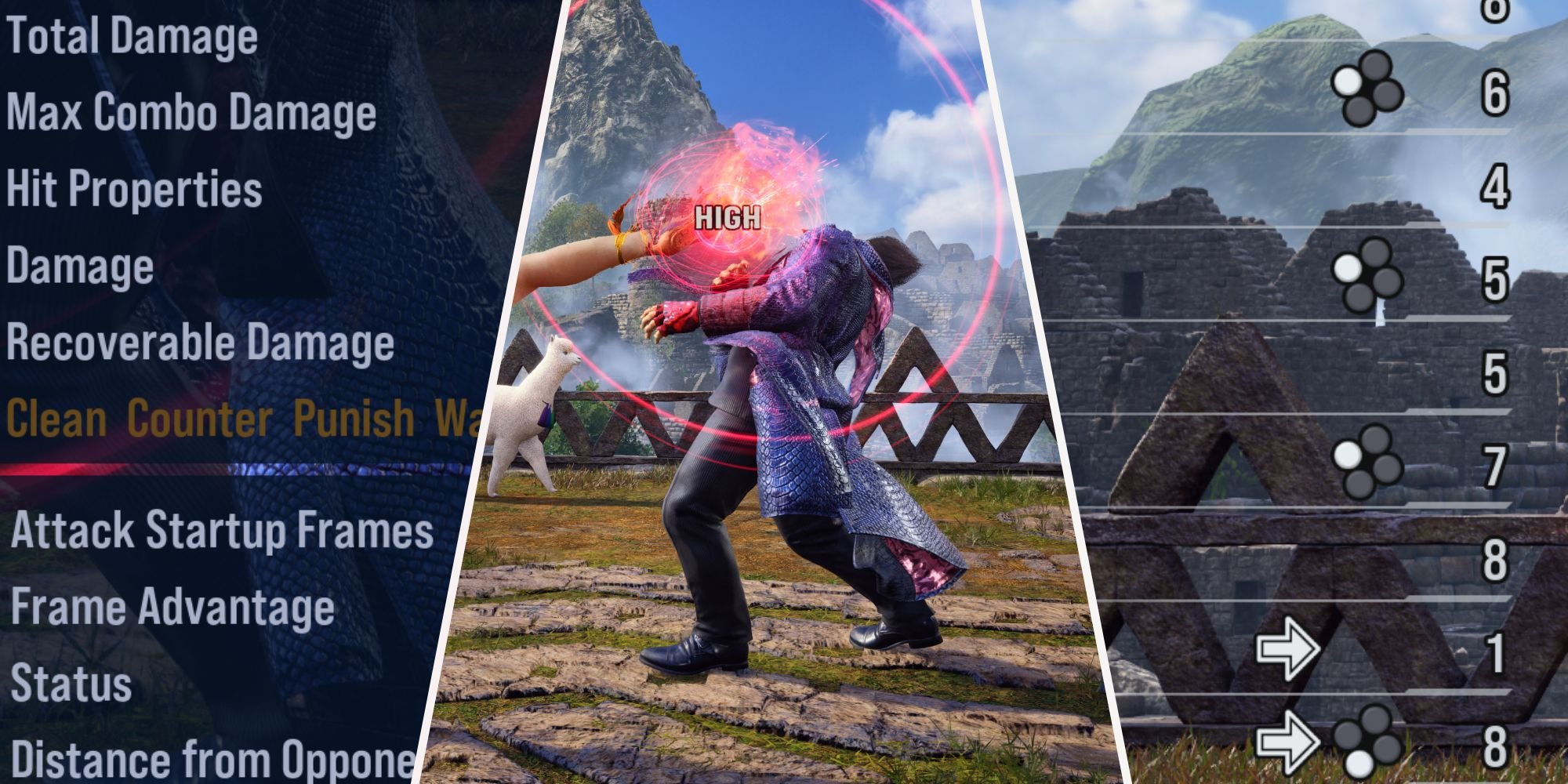
Effective punishment in Tekken 8 requires understanding frame data, recognizing punishable moves, and executing the correct counter-attack promptly.
Tekken 8, a game known for its fast-paced action, demands precision. Knowing when and how to exploit your opponent’s mistakes is key to victory. Learning how to punish opponents effectively is the skill that will differentiate good players from great ones.
This guide aims to quickly provide you the basic understanding you need. We will provide what you should know about frame data, how to identify punishable moves and what sort of counter-attack you should execute.

Tekken 8 How to Punish Opponents Effectively
Okay, so you’re diving into the world of Tekken 8, throwing down some serious moves, and maybe getting hit more than you’d like? It’s all part of the learning process! One of the biggest skills to develop in Tekken 8 is learning how to punish your opponents. It’s not just about knowing your character’s moves – it’s about knowing when and how to use them to take advantage of your opponent’s mistakes. This section will break down how to become a master of punishment, turning those opponent’s whiffs and risky moves into your victories.
Understanding the Basics of Punishing
Before we dive into specific scenarios, let’s understand what we mean by “punishing” in Tekken 8. In essence, punishing is about capitalizing on the moments when your opponent makes a mistake. This could be when they:
- Use a move that misses you.
- Perform a slow attack that you can react to.
- Do something unsafe that leaves them vulnerable.
Think of it like this: your opponent leaves an opening, and you are right there to close it with a powerful attack. Effective punishment is all about timing, understanding your opponent’s moves, and using your character’s best tools for the job.
Move Properties: What Makes a Move Punishable?
Every move in Tekken 8 has different properties, which determine how safe or unsafe it is to use. Here are some key terms you need to know:
- Startup: The time it takes for a move to become active and hit your opponent.
- Active Frames: The part of a move when it can actually connect.
- Recovery: The time after a move hits (or misses) that it takes before you can move again.
When a move has long recovery frames, especially if it misses, it becomes punishable. That’s your window of opportunity! Think of a move with slow startup and long recovery – like a big haymaker punch that misses. It takes a while to come out and if you dodge it, the opponent’s left wide open for a second while they are trying to regain their balance. That is what you are waiting for to strike.
Identifying Punishable Moves
Now that we know the basics, how do you actually see a punishable move? Here are some situations to look out for:
Whiff Punishes
A “whiff” happens when your opponent swings their attack, but it doesn’t hit you. Maybe you dodged it, stepped aside, or they just mistimed their move. A whiff is like a blinking neon sign that says, “PUNISH ME!”
How to recognize a whiff:
- Watch the animation carefully. If the opponent’s attack goes right through your character without making contact, they whiffed.
- Practice spacing. Knowing your opponent’s range compared to your range will help you anticipate when their move is going to miss.
- Use movement. Side-stepping and back-dashing are your friends for avoiding moves and setting up whiffs.
Example: Let’s say your opponent throws out a slow, high kick. You duck under it, avoiding the attack completely. This is a perfect time to use a quick, mid-hitting attack that hits them while they are recovering from their kick.
Block Punishes
Sometimes your opponent will throw out moves that look like they hit, but really they hit your block and leave them vulnerable. This is a “block punish” scenario. Some moves are unsafe on block, meaning that even though you block them, you have time to launch a counter-attack while they are recovering from the move.
How to identify unsafe moves on block:
- Frame Data: Understanding frame data (a move’s speed and recovery) is essential for knowing what is safe and unsafe on block. While learning frame data can seem complicated, there are many great resources online that provide information on every move’s properties.
- Visual Cues: Some moves have obvious visual cues that they are unsafe. For example, if you block a really powerful-looking move that leaves your opponent leaning back and exposed, chances are it’s punishable.
- Experience: With practice, you’ll start to get a feel for which moves are unsafe based on your experience. Every character has moves like these, and once you have played against them enough, you’ll start to recognize them quickly.
Example: If your opponent does a heavy spinning kick move and it hits your block, but leaves them staggering, you have the opening to punish them.
Punishing Specific Move Types
Beyond whiffs and block punishes, you should also consider the types of moves that are usually risky and how to deal with them effectively. Here are a couple of examples:
Low Attacks
Many low attacks can be blocked by crouching, but some characters have particularly unsafe low attacks. When you block a slow or unsafe low attack, you can use a quick standing attack to punish the opponent.
How to punish:
- Low Parries: Some characters have a “low parry” move that completely evades the low and lets them perform a guaranteed counter-attack.
- Quick Mid Attack: A fast mid attack after blocking a low is one of the most common ways to punish low attacks.
Example: If your opponent constantly tries to poke you with low attacks, learn to predict the moves and use a fast mid to punish. A fast move that hits your opponent standing up can punish low attacks very well.
High Attacks
High attacks can be useful to break through blocking opponents but can be punished by ducking.
How to punish:
- Duck Punish: If you see the attack is a high attack, quickly duck and use a low move, or a move that hits from ducked position.
- Launchers: Some characters can launch their opponents into the air when they duck under an attack.
Example: Many characters have launchers that are a bit slower, but if you duck a high move from them and use your launcher move, it will be a huge punish.
Knowing Your Character’s Punishing Tools
Now that you can identify when to punish, you need to know what moves to use. Each character has different moves that are better for punishing specific situations. Here is what you should consider:
Fast Attacks
Quick jabs, kicks and other fast attacks are your bread and butter for punishing whiffs and some unsafe moves. They don’t do a lot of damage but they are very reliable.
Ideal situations:
- Punishing whiffs
- Interrupting predictable moves
- Punishing unsafe low moves
Example: Your opponent throws out a slow punch, and you’re just outside the reach of it. As soon as it misses, you can fire off a quick jab that is guaranteed to land and deal damage.
Launchers
Launchers are moves that lift your opponent into the air, allowing you to start a combo. Launchers are usually a bit slower than fast attacks, but offer a huge payoff in damage and momentum. Many punishers in Tekken 8 start with a launcher.
Ideal situations:
- Punishing big, slow moves that are very unsafe on block
- Punishing predictable attacks
Example: You block a slow, heavily telegraphed move from your opponent that leaves them open. Now is the time to use a launcher move to send them flying into a combo.
Character-Specific Punishers
Every character has unique moves that work particularly well for punishing. You’ll need to spend some time in practice mode exploring your character’s toolkit to know what each move does and the best times to use it. Some characters have moves that are fast with longer reach, and some might have moves that are slower but do more damage. It’s important to explore them all and how they fit together.
Things to Look for:
- Moves that hit at different heights (high, mid, low)
- Moves with long reach
- Moves that do a lot of damage
- Moves that are fast
Practice and Timing
Knowing when to punish and what moves to use is one thing, but actually pulling it off in a real match is another. This is where practice comes in. Consistent practice is the key to making punishment a natural part of your Tekken 8 gameplay.
Practice Mode
The practice mode is your best friend in Tekken. It is a risk-free environment to practice the fundamentals and train your reactions.
- Record Opponent Actions: Record your opponent using a specific move that you want to practice punishing. This allows you to repeatedly practice reacting to the move.
- Frame Data: Use the in-game frame data tool (if available) to learn which of your opponent’s moves are unsafe and how much time you have to punish.
- Practice Punish Combos: Practice specific punishes that will do the most damage for your character.
- Mix-Up Practice: Don’t just practice against the same moves, mix things up and practice against other scenarios.
Reaction Time
The speed at which you can react to a mistake is very important for successful punishment. Improve your reaction time by playing Tekken often and focusing on recognizing your opponent’s patterns and moves.
Tips for improving reaction time:
- Focus on the Opponent: Pay close attention to your opponent’s animations instead of focusing on your own moves.
- Don’t Overthink: Try to react more instinctively rather than thinking about every move in the moment.
- Start Slow: Start by focusing on blocking or dodging the attacks first, then move into counter-attacking.
Advanced Punishment Techniques
Once you’ve got the basics down, you can start incorporating some advanced techniques that will make you a true punisher.
Movement-Based Punishing
Movement is key to setting up great punishes. Side-stepping and back-dashing can put you in the perfect position to take advantage of your opponent’s mistakes.
How to use movement to punish:
- Side-Step Punishes: If your opponent throws out a linear move (one that goes straight forward) side step to create a whiff, then punish with a launcher or other counterattack.
- Back-Dash Punishes: Sometimes, back-dashing can create a whiff, and it gives you time to come in with a quick punishing move.
- Spacing: Keeping the right distance between you and your opponent will allow you to dodge attacks while staying in a position to counter-attack.
Punishing During Heat Engagers
When you or your opponent goes into their Heat mode, this is where you have a potential for a big punish. These are some of the best times to use launchers or other high-damage punishes. Be careful though, as the opponent can do that too.
Tips for punishing during Heat Engager:
- Predict their actions: Because you have more power during Heat Engager, it might become very tempting to be very offensive with predictable moves. This will make it easy for your opponent to take advantage.
- Be patient: Don’t get too aggressive when in Heat Engager, and wait for the right opportunity.
Punishing Sidewalking
Sidewalking, or walking sideways, is another option to avoid your opponent’s attacks. If the opponent is predictable with their sidewalk, you can take advantage of that.
Tips for punishing sidewalking:
- Tracking moves: Most character will have moves that track their opponents, so they cannot be dodged with sidewalking.
- Sidewalking Counter: If you notice that your opponent is sidewalking constantly, you can bait them into sidewalking by attacking with moves that track, which will result in guaranteed damage.
Adapting to Your Opponent
The most crucial element of effective punishment is adapting to your opponent’s strategies. You are not just reacting to the moves, but understanding how your opponent uses them to make the most of your openings.
Identifying Patterns
Keep a keen eye out for any patterns that your opponent develops during the match. Do they always try the same moves? Are they relying on high or low attacks too much? If you can recognize the patterns, you can anticipate their moves and set up your own counter-attacks.
Changing Your Strategy
Just as you must adapt to your opponent, your opponent will also adapt to you. As the match goes on, they will most likely start to predict the moves you use to punish, and they’ll learn how to evade them. This means that you will also have to change up your game plan. Change your moves, be unpredictable, and try different moves that will catch your opponent off-guard.
Punishing in Tekken 8 is not just a mechanical skill; it’s a mental game of adapting and reacting. By understanding move properties, identifying punishable moments, and practicing your character’s best options, you will become a force to be reckoned with. Remember to focus on practice, and stay consistent, so you can take advantage of your opponents mistakes.
These Dudes Doing STRINGS! (and how to punish them) – TEKKEN 8 for Dummies
Final Thoughts
Effectively punishing opponents in Tekken 8 relies on understanding frame data and recognizing unsafe moves. Practice identifying punishable animations and learn your character’s best punishes. Consistent practice will significantly improve your reactions.
This includes understanding which moves leave your opponent vulnerable and which attacks you should capitalize on. Remember to incorporate movement into your punishment game.
Ultimately, “Tekken 8 how to punish opponents effectively” comes down to dedication and patience. Learn the patterns and consistently practice.

