
‘Punishing unsafe attacks in Tekken 8 requires blocking the move, then immediately using a faster attack or a launcher when the opponent’s animation recovery is longer than your own. Knowledge of frame data is key.’
Tekken 8’s fast-paced combat often hinges on exploiting openings. Figuring out when your opponent is vulnerable is key to winning matches. This is where understanding how to punish unsafe attacks in Tekken 8 becomes essential.
Many moves leave players open if blocked, creating prime opportunities for counter attacks. Knowing which moves are punishable, and having a repertoire of quick counters is a big advantage. Practice in the training mode helps identify these crucial windows.

Tekken 8 How to Punish Unsafe Attacks
Hey there, Tekken fighters! So you’re getting walloped online, huh? It feels like everyone’s moves are faster and stronger, and you just can’t seem to get a hit in? Well, guess what? A big part of winning in Tekken 8 is knowing how to punish unsafe attacks. Think of it like this: your opponent throws a punch but misses; that’s their mistake, and you should make them pay! Let’s dive deep into how you can become a punish master in Tekken 8 and start turning the tide of battle.
Understanding the Basics of Frame Data
Okay, let’s start with the secret language of Tekken: frame data. Frame data is like the instruction manual for every single move in the game. It tells you how long a move takes to start, how long it’s active, and importantly, how long it takes to recover. This recovery time is key! Moves with a long recovery time are unsafe because your opponent is stuck in an animation and can’t block or move, giving you a golden chance to punish them. Imagine it like they’re throwing a really slow baseball; you have all the time in the world to catch it or, in Tekken terms, hit them hard!
Let’s talk about some of the most important frame data terms. Here are the main ones you need to know:
- Startup Frames: This is how many frames it takes for a move to actually hit. Think of it as the “wind-up” animation.
- Active Frames: This is how many frames the move is actually hitting or doing damage.
- Recovery Frames: The most important one for us! This is how many frames it takes for the character to get back to a neutral stance after a move, meaning they can block or move. If this number is high, it means they are very punishable.
- On Block: This number tells you how many frames of advantage or disadvantage you have after the move is blocked by your opponent. If it is positive, you can attack first, negative means they can attack first, and 0 means neutral stance.
You don’t need to memorize all frame data (it’s a LOT), but understanding these terms will make a world of difference in your gameplay. Websites and apps dedicated to frame data can be incredibly helpful; you can refer to them to see which moves are safe or unsafe for each character. Knowing this is like having the answers to the test before it even starts!
Identifying Unsafe Attacks
So, how do we spot those juicy, punishable moves? It’s not always obvious, but here are some common things to watch for:
Visual Cues
- Big, Slow Wind-Ups: Moves that have a very noticeable wind-up animation, like a big swing or a charge, are often unsafe. If you see your opponent doing a slow action, be ready to react.
- Extended Recovery Animations: Pay attention to what your opponent does after they swing or kick. If they are left in a pose for a long time and not blocking you, that is an unsafe attack.
- Moves That Push Them Far Away When Blocked: If a move pushes your opponent far back on block, it means it has high recovery frames and is likely unsafe. This gives you more time to close the distance to punish.
Frame Data Cues
- High Negative on Block Numbers: On-block values can also give you a clue. If a move is heavily negative on block (e.g., -10 or more), that means you get a big advantage to attack after you block that specific move.
- Looking for ‘Whiff’ Opportunities: When your opponent tries to hit you, they might “whiff” their attack. It means their attack animation completes without hitting you, and the character is in the recovery state. So in that time window you can punish them.
Common Types of Unsafe Attacks
Certain types of attacks in Tekken 8 are often unsafe, particularly at lower levels of play:
- Slow Lows: Many low attacks are slow and can be punished if blocked. These often involve a character crouching low to the ground before striking.
- Command Grabs: Some command grabs have visible wind-ups and can be interrupted. Be wary of these slow throws and try to punch them out of it.
- Power Crushes: While they can absorb some hits, they are often very unsafe on block. You have a very good opportunity to punish these.
- Certain Launcher Attacks: Some launching attacks are slow and can be punished. Watch the animation and attack when you see it coming.
Effective Punishments
Okay, so you’ve identified an unsafe attack. Now what? Here’s how to punish effectively. There are few types of punishments we will discuss in detail:
Quick Punishers
These are your go-to moves after blocking an unsafe attack. They need to be fast, and consistent. Quick punches, kicks, and jabs are your best bet.
- 10-12 Frame Punishes: Most characters have some fast jabs and kicks that come out within 10-12 frames. These are great for punishing moves that are just a little negative.
- Jab Strings: Using a quick series of jabs or basic kicks can quickly interrupt your opponent. For example, you can simply hit the jab twice and interrupt your opponent after blocking their unsafe moves.
Launching Punishes
If you have time after blocking an unsafe attack, and have more advantage, try to launch your opponent and get extra damage.
- 13-15 Frame Launchers: Many characters have launchers that come out in this range. These are ideal for punishing those very unsafe moves, often resulting in a full combo.
- Specific Punish Launchers: Some characters have launchers that only work as punishers after blocking specific moves. Be sure to check your character’s move list to see if they have special punishes!
Specific Punishes
Some characters have unique punish moves, that can only be used as punishment. These moves could be a specific combo sequence, a launch attack, or any unique attack that your character has, and is beneficial if you use them as punishes.
- Character Specific Punishers: Learn your character’s punish moves! These can give you a significant damage boost when used correctly.
- Special Launch Punishes: Check your character’s move list for special launch punishes. These moves are specifically designed for punishing unsafe attacks.
Range and Positioning
It’s not enough just to know what to do; you need to be in the right place to do it! Range and positioning are really important.
- Close Range Punishes: Some attacks are only punishable if you are standing close to your opponent.
- Long Range Punishes: If your opponent is too far, a long-range punish might be your best bet. You can close the gap with a dash or a longer reaching move, then proceed to punish them.
Practicing Your Punishes
Knowing is only half the battle; you need to be able to do it consistently. Here’s how to get better at punishing.
Training Mode is Your Best Friend
Training mode is your personal dojo! Here’s how to use it:
- Record Unsafe Attacks: Record your opponent performing their unsafe attacks. Then, set the bot to repeat these attacks.
- Practice Punishing: Practice blocking the unsafe attacks and executing your punish. It may take time to consistently punish them, but eventually you’ll master the art of punishing.
- Frame Data Display: Turn on the frame data display to better understand the recovery time of each move and the time window you have to punish the unsafe moves.
Start Slow
Don’t try to learn every punish at once. Focus on a few key moves for your character first.
- Basic Punish Set: Start by mastering one or two quick punishers, and one launcher punish, then slowly add to your repertoire.
- Consistency is Key: Focus on executing the same punish move correctly over and over again, before moving on to a new one.
Focus on the Most Common Unsafe Moves
You don’t need to know every possible punish, focus on the most common unsafe moves you keep seeing online.
- Identify Problem Moves: Figure out which of your opponents moves are giving you the most trouble and start with that.
- Character-Specific Punishes: Learn the unsafe attacks for each character you face frequently, and develop the appropriate punish for them.
Real Match Practice
All the training mode practice in the world won’t help if you can’t execute in real matches.
- Be Mindful: In real matches, think about what you’ve practiced. Don’t just blindly mash buttons; try to be aware of your opponent’s moves and their wind-ups.
- Don’t Get Discouraged: You won’t always punish every single unsafe attack, and that is okay. The more you play, the better you’ll get.
- Review your replays: watch your replays and see where you missed a punish, and learn how you could have punish the attack in different situation.
Common Mistakes to Avoid
Even experienced players make mistakes. Here are some common pitfalls when trying to punish unsafe attacks, that you need to avoid.
- Punishing Too Late: If you are too slow, your opponent will have recovered and will block your punish attempt. You need to react fast and execute your punish quickly after blocking their attack.
- Punishing with the Wrong Move: Don’t try to launch after every single block. For moves that are only slightly unsafe, use a fast jab, or a quick punish.
- Getting Predictable: Don’t always do the same punish every time; mix it up to keep your opponent guessing.
- Trying to Punish Everything: Don’t get greedy and try to punish every single attack. Some attacks are safe, and trying to punish those moves might lead you to eat more damage. Instead, focus on consistently punishing the unsafe moves.
Leveling Up Your Game
Punishing unsafe attacks is a game-changer. It’s about more than just knowing moves; it’s about reading your opponent and taking advantage of their mistakes. So, keep practicing and you’ll see the difference! You will be winning a lot more and will start getting closer to the higher ranks.
- Frame Data Knowledge: Deepen your understanding of frame data for each character.
- Reaction Time Practice: Train your reaction time, it will help you punish your opponent faster.
- Mind Games: Add mind games to your arsenal to trick your opponent into making mistakes.
Learning to punish unsafe attacks in Tekken 8 is an essential step towards improving your game. Understanding frame data, spotting unsafe moves, practicing your punishes, and avoiding common mistakes will make you a much stronger player. Don’t be intimidated by the complexity; start with the basics and slowly build your skills. You have the potential to become a Tekken master!
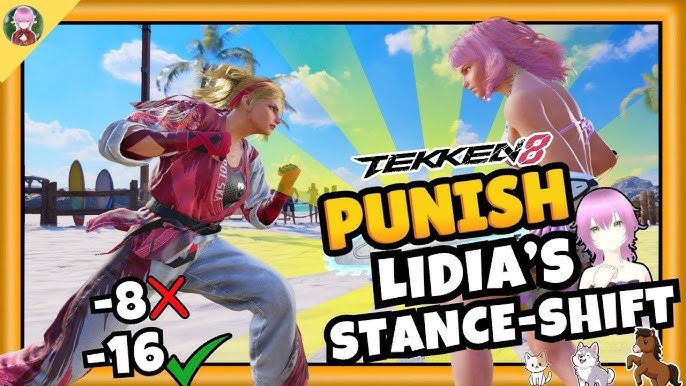
How to Punish Lidia's STANCE-SHIFT Attacks | Tekken 8 Guide
Final Thoughts
Punishing unsafe moves in Tekken 8 is vital for victory. Knowing which moves are unsafe gives you a major advantage. Practice and learn common attack strings that leave your opponent vulnerable.
Use your fastest attacks after blocking a punishable move. Tekken 8 how to punish unsafe attacks becomes second nature with dedicated training.
React quickly and execute the correct punish. This knowledge will improve your Tekken 8 game.

