
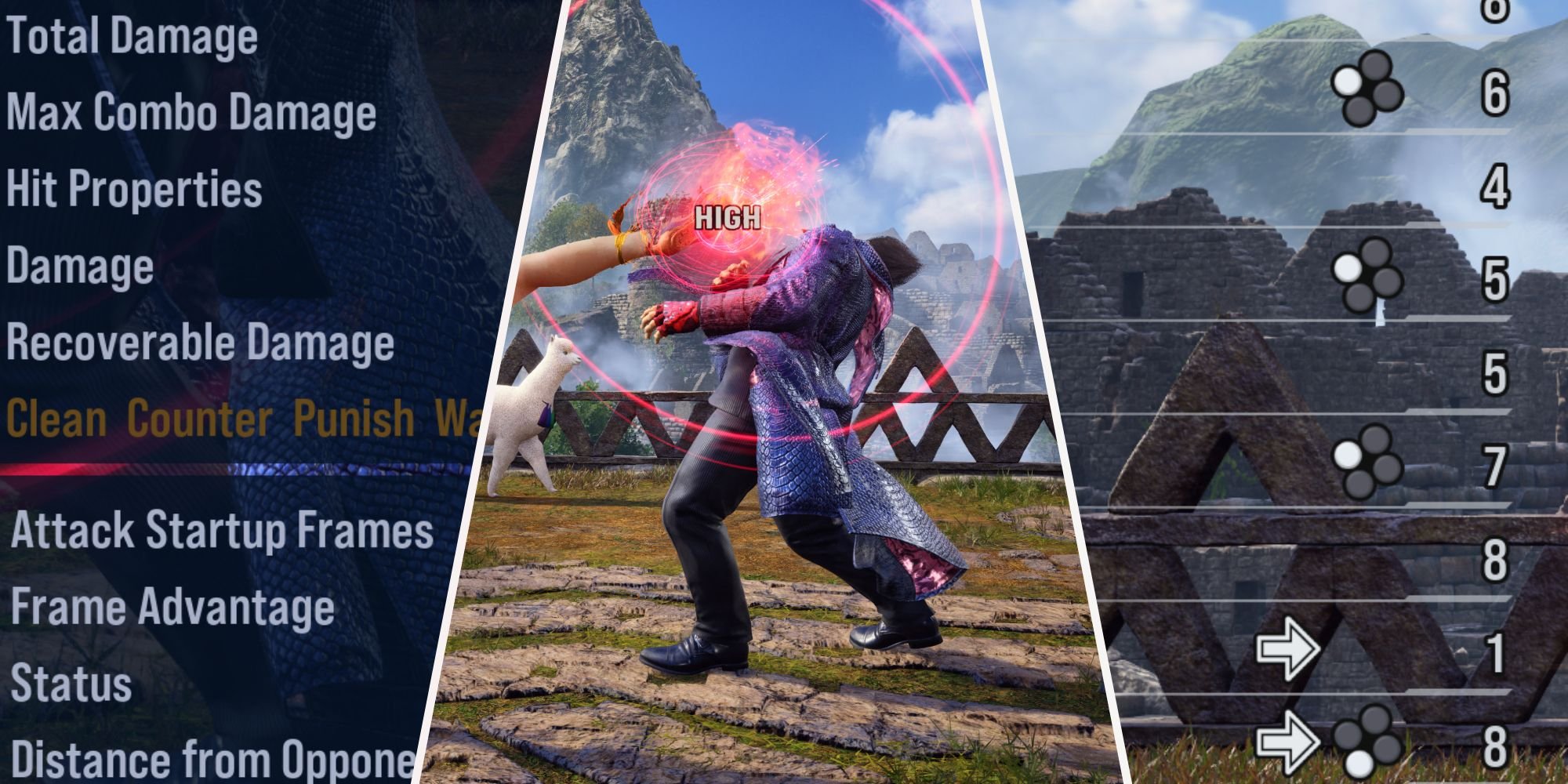
In Tekken 8, how to respond to attacks effectively involves learning frame data to identify punishable moves, using sidesteps to evade linear attacks, and employing counter-hit tactics to punish overly aggressive opponents.
The fast-paced action of Tekken 8 can feel overwhelming when opponents constantly bombard you with attacks. Figuring out the best course of action becomes crucial for survival and victory. Understanding Tekken 8 how to respond to attacks isn’t just about blocking; it’s a multifaceted skill requiring timing, prediction, and a solid grasp of each character’s move set.
It’s a constant learning process. Players must practice different defensive strategies such as using evasive movements, and also implementing counter-attacking. So, prepare to dive in and take your gameplay to the next level.

Tekken 8 How to Respond to Attacks
Okay, so you’re diving into the world of Tekken 8, a fighting game where timing and smart moves are everything. It’s not just about mashing buttons; it’s about understanding what your opponent is throwing at you and knowing how to react. This guide will help you learn how to respond to attacks effectively in Tekken 8. We will look at different kinds of attacks and the best ways to counter them, turning defense into offense!
Understanding Attack Types
Before we get into specific responses, let’s talk about the different kinds of attacks you’ll see in Tekken 8. Recognizing these is the first step to reacting correctly.
High Attacks
High attacks are those that hit characters when they are standing upright. They are typically fast, but that also means that they are the easiest to avoid. Think of punches and some kicks aimed at your head.
How to Respond to High Attacks
Crouch: This is the simplest way to dodge high attacks. By crouching, you go under them, making them miss completely.
Block: If you are too slow to crouch, you can still block high attacks by holding back on the joystick or directional buttons. Blocking will reduce the damage you take significantly.
Sidestep: A quick sidestep can move you out of the way of a high attack. This needs good timing, but when done right, can create an opening for you to attack back.
Reversal: Some characters have special moves that can reverse high attacks. This requires very precise timing and a good understanding of your character’s moveset.
For example, characters like Leroy Smith and Zafina have moves that can parry or reverse a high attack, turning the tables.
Mid Attacks
Mid attacks hit when a character is standing or crouching. These are often the main attacks players use in fights because they can’t be completely avoided by crouching or blocking high.
How to Respond to Mid Attacks
Block: You can block mid attacks while standing. This is the most common response. If you hold back on the joystick, you will block and reduce damage.
Crouch: If you know that mid attack is a type of attack that can be ducked or is unsafe to use repeatedly you can crouch to avoid and punish.
Sidestep: Some mid attacks can be sidestepped. This isn’t a guaranteed method because it depends on the specific move. You need to analyze each character’s mid attacks to see if they can be sidestepped.
Jump: A few mid attacks can be avoided by jumping over them. This is more specific and depends on the attack’s hitbox, so it’s situational.
For example, a slow, long-range mid attack can be jumped over with a quick hop or a jumping attack.
Low Attacks
Low attacks hit characters when they are crouching. They are often slower than mid and high attacks, but they can trip you up if you are not careful. These are crucial for mixing up your game.
How to Respond to Low Attacks
Stand Block: The most important thing to remember is that you cannot block low attacks while standing up. You must be in a crouching position.
Low Parries: Some characters have specific moves that will parry low attacks. This is a powerful way to turn the opponent’s attack against them.
Jump Over: Some low attacks can be jumped over if they have a slow start-up time or a specific animation.
Interrupt: A well-timed mid or high attack can interrupt a low attack if you are fast enough.
Unblockable Attacks
As the name suggests, Unblockable attacks can’t be blocked, they will hit no matter what you do in the block direction.
How to Respond to Unblockable Attacks
Sidestep: The most common way to avoid unblockable attacks is to sidestep. This needs good timing.
Backdash: Backdashing will create space and might get you out of the range of an unblockable attack.
Duck: Some characters have certain unblockable attacks that are meant to be ducked, but this is more case-by-case.
Frame Data and Why It Matters
Frame data is a system used in fighting games to show how long each move takes to start, hit, and recover. Understanding frame data can significantly improve your reactions in Tekken 8.
Startup Frames: How long it takes before an attack hits. The lower the number, the faster the attack.
Active Frames: How long the attack is actually hitting.
Recovery Frames: How long it takes to go back to a neutral state after the attack.
Knowing frame data helps you determine when to attack, when to block, and when to counter. For example, if an opponent uses a move with long recovery frames, you have a bigger window to punish them.
How to use Frame Data in Your Defense
Identify Punishable Moves: Look for moves with slow recovery. After blocking these moves, you can safely attack and deal damage.
Recognize Safe Moves: Some moves, even if they’re blocked, leave the user safe with little to no recovery. Knowing these moves helps you avoid unnecessary risks.
Plan Punishments: Once you know what is punishable, you can create combinations of moves that you can use after blocking certain attacks.
Using Frame Data in Combos: Frame data is not just for defense. You can use it to create powerful combos.
For example, a move with fast startup followed by another move that connects quickly on a hit will make the opponent unable to dodge or escape.
The Importance of Movement
Movement is a critical part of Tekken 8. It is not just about attacking and defending. Good movement will help you dodge your opponent’s attacks and get into the best position to attack.
Backdashing
Backdashing will create space between you and your opponent. You can use this to make your opponent’s attacks miss. You can also use this to bait out attacks and counter when they miss.
Sidestepping
Sidestepping will move your character to the side. You can use this to avoid linear attacks. Also, sidestepping can position you for a powerful side-mounted attack.
Forward Movement
Closing the distance is important in Tekken. Good forward movement will let you pressure your opponent, and will keep them from attacking back.
Movement Tips
Learn character-specific movement: Each character has their own speed and unique movements. Learn yours to get the most out of it.
Don’t be predictable: Keep changing your direction. Mix up your movement so that your opponent has to guess where you are going to move.
Practice: Movement is just as important as your attacks. You will need to practice movement often to become good at it.
Punishing Opponent’s Mistakes
Tekken 8 is all about capitalizing on mistakes. When your opponent makes a bad move, it’s your chance to strike hard. This is called punishing.
Identifying Punishable Moves
Slow Moves: Moves with long start up or recovery are easy targets for punishing.
Blocked Moves: Some blocked moves, as we mentioned, leave the opponent vulnerable.
Whiffed Moves: If an opponent misses an attack, especially in close range, that is your chance to punish.
How to Punish
Fast Attacks: After the opponent is vulnerable, quickly follow up with a fast attack.
Combos: If the opponent is vulnerable for a while, go into a damaging combo.
Mix-ups: Mix-up your offense with different types of attacks so that they don’t know what to expect.
For example, a high attack, followed by a low attack, will keep your opponent guessing.
Specific Character Matchups
Every character in Tekken 8 has different moves, and thus, different strategies need to be used to fight against them. Knowing what your opponent can do will prepare you to fight them properly.
Character Guides: There are a lot of character guides online that give you in-depth knowledge of each character’s abilities, strengths, and weaknesses.
Practice: The best way to get good at Tekken 8 is to practice each character’s unique attacks and learn to defend against them.
Watch Pro Players: Watch how pros play against different characters and adapt their strategies into your own game.
For example, some characters are aggressive, whereas some prefer to play at range. Knowing these things will help your defense.
Using the Practice Mode
The practice mode is your best friend when learning Tekken 8. It lets you practice against a stationary opponent with different options.
Practice Mode Features
Record and Playback: Record an opponent’s moves so you can practice countering them.
Frame Data Display: Turn on the frame data to see how each attack works.
Different Training Options: Test different things like blocking, punishing, and movement.
How to Practice Effectively
Start Slow: Focus on one thing at a time, like blocking, instead of trying to learn everything at once.
Consistency: Practice every day even if it is just for a short time. It will make you get better quickly.
Try New Things: Once you get comfortable, try out new characters and new techniques.
For example, try to block all of the basic high attacks of a character, then the basic lows, then the basic mids, and so on.
Mental Game
Tekken 8 is not just about quick reflexes, it’s also about having a good mindset. Staying calm and keeping focus is essential.
Staying Calm
Don’t Get Frustrated: When you lose a round, don’t get angry. Try to understand what went wrong.
Take Breaks: If you get frustrated, it’s a good idea to take a break, walk around, and relax before coming back to the game.
Focus on the Process: Focus on getting better at the game instead of just winning.
Mind Games
Read Opponents: Try to guess what your opponent will do next. Use their attack patterns against them.
Change Your Style: Don’t be predictable. Use different strategies to throw off your opponent.
Bait Opponents: Use moves that make your opponent think they can attack you, and punish them for trying to hit you.
Understanding different attack types, analyzing frame data, and using smart movement are essential parts of defending effectively in Tekken 8. Add to this knowledge by capitalizing on opponent mistakes and using the practice mode, and you have the recipe for becoming a top-tier Tekken 8 player. Keep practicing, learn new strategies, and always try to adapt to your opponent’s play style. Good luck, and have fun fighting!
Low Hitting Moves: How to Attack with and Respond to Them | Tekken 8 (PS5)
Final Thoughts
Effectively reacting in Tekken 8 requires practice and understanding. Learn key moves and timing to punish enemy aggression. Blocking correctly and employing sidesteps are must-know defensive tools.
Adapt your strategy based on the opponent’s patterns. Knowing when to interrupt or counterattack is vital. This knowledge directly ties to ‘Tekken 8 how to respond to attacks’.
Ultimately, consistent training against various foes will help you refine your responses.

