
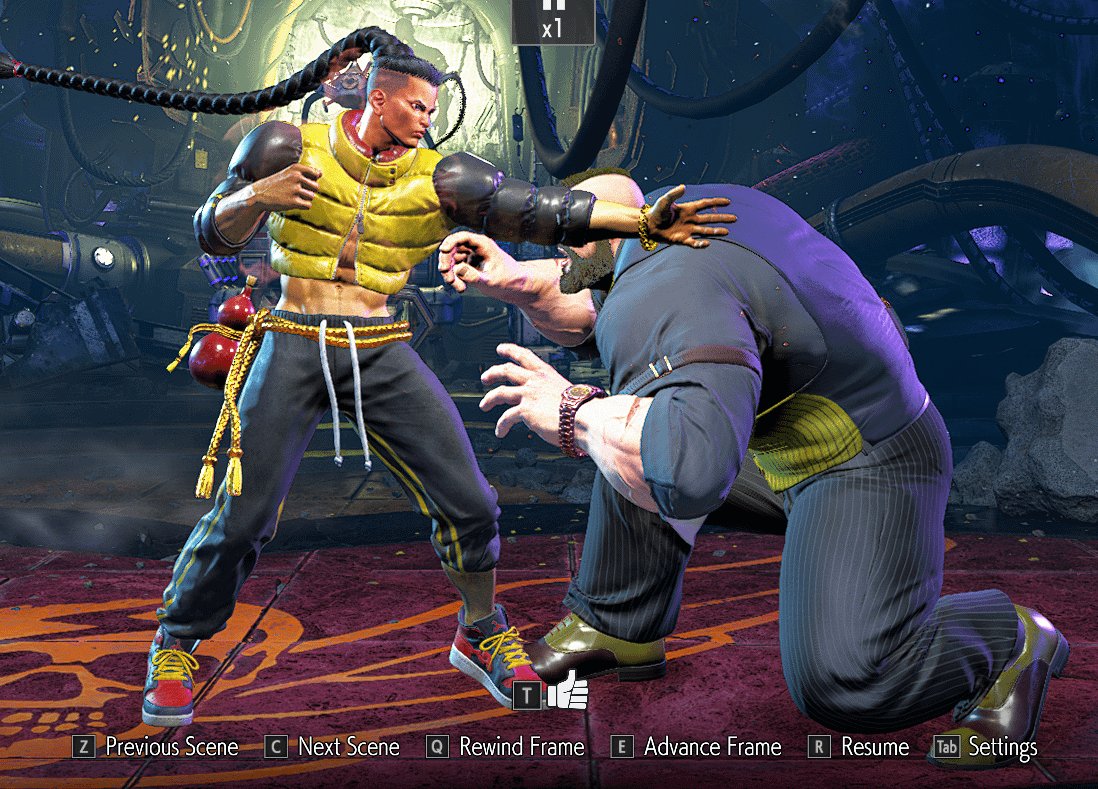
The Tekken 8 hurtbox visualizations show the areas where characters are vulnerable to attacks, aiding players in understanding hitboxes and improving their defensive and offensive strategies.
Ever wondered how exactly your attacks connect, or why some seemingly obvious hits miss in Tekken 8? It’s all about understanding the invisible geometry that governs combat: Tekken 8 hurtbox visualizations. These visual representations reveal precisely where a character can be hit. This knowledge allows players to refine their movements and combos.
Understanding these visualizations is crucial for competitive play. It aids in dodging attacks and exploiting weaknesses in an opponent’s offense. Analyzing the hurtboxes becomes a key part of strategy.

Tekken 8 Hurtbox Visualizations: Seeing the Invisible
Ever wondered why some of your attacks in Tekken 8 seem to miss even when they look like they should hit? Or why your opponent’s move seems to connect from so far away? The secret lies in something called “hurtboxes.” These are like invisible outlines around a character that determine where an attack can actually land. Understanding hurtboxes in Tekken 8 can significantly improve your game. Let’s dive into what they are, how they work, and why they matter.
What Exactly are Hurtboxes?
Imagine your favorite Tekken 8 character as a balloon. This balloon isn’t just the shape you see; it also has an invisible bubble around it. This invisible bubble is the hurtbox. When an opponent’s attack touches this bubble, your character gets hit. The size and shape of these hurtboxes change depending on the character’s animation. So, when your character is standing, they have a different hurtbox than when they’re crouching or jumping. These boxes dictate whether a strike connects or whiffs, making them fundamental to gameplay.
The Difference Between Hitboxes and Hurtboxes
It’s important not to confuse hurtboxes with hitboxes. Think of hitboxes as the “attack bubble” around your character’s move. When your character throws a punch, for example, the punch has its own hitbox. If that hitbox touches the opponent’s hurtbox, a hit is registered. To make it clear:
- Hurtbox: The vulnerable area around your character.
- Hitbox: The area of effect of your attack.
So, a successful attack occurs when the hitbox of your move comes into contact with your opponent’s hurtbox. This interaction is central to understanding offensive and defensive strategies in Tekken 8.
Why Do Hurtboxes Matter in Tekken 8?
Understanding hurtboxes is a game-changer because they influence several key aspects of Tekken 8:
- Spacing and Positioning: Knowing the reach of your and your opponent’s hurtboxes helps you maintain the right distance. You can stay just outside their attack range while remaining within yours.
- Avoiding Attacks: By understanding hurtboxes, you can use movement and character stances to shift your hurtbox out of the way of your opponent’s attacks. This is essential for evasion and counter-attacking.
- Landing Combos: Understanding which attacks are safe to use and how different character stances affect hurtboxes allows you to create better and more consistent combos.
- Punishing Whiffs: When your opponent misses, their recovery often leaves them exposed with a larger hurtbox. If you can predict when this happens, you can land a clean punish.
In short, mastering the concept of hurtboxes means better control, more effective attacks, and fewer mistakes on the battlefield.
Visualizing the Invisible: How Do We See Hurtboxes?
Unfortunately, Tekken 8 doesn’t show hurtboxes during regular gameplay. This makes it tricky to learn them without help. Luckily, modding communities and training tools allow players to visualize these hitboxes and hurtboxes, which gives a clearer view. Although the visual tools available might not be available in the core game, they offer insightful information.
Modifications and Tools for Hurtbox Visualization
Here’s how players make hurtboxes visible:
- Modded versions of the game: Some PC players use mods that add visual representations of the hitboxes and hurtboxes directly to the game. These mods draw colored shapes around characters and attacks, helping people understand how they interact.
- Training mode tools: In training mode, some tools can show the frames of an animation. You can see the exact points where hitboxes and hurtboxes become active.
- Online resources and tutorials: Many websites and videos help in learning the hitbox properties. These tutorials often show visual representations of how hurtboxes shift during animation.
While these tools can be incredibly beneficial, it’s worth mentioning that some of these tools are limited to certain platforms (e.g. PC), and using mods in competitive play may result in penalties. Still, when it comes to training and understanding the mechanics, these tools offer exceptional assistance.
Hurtbox Shapes and Sizes: A Character-Specific Detail
It is not enough to know about hurtboxes generally; each character in Tekken 8 has their own hurtbox quirks. These variations make every fighter unique in how they interact with others.
Differences Based on Stances
Character stances have a major impact on their hurtboxes. For example:
- Standing: Usually, a character’s standing hurtbox is wider and taller, making them easier to hit.
- Crouching: When a character crouches, their hurtbox often becomes smaller, allowing them to avoid certain high-reaching attacks.
- Sidestepping: Sidesteps can shift a character’s hurtbox horizontally, making them dodge linear attacks.
- During Attack Animations: Hurtboxes can expand or change shape during an attack animation. Understanding these changes is key to knowing when you are vulnerable.
Character-Specific Examples
Let’s look at a couple of examples to understand how character hurtboxes vary:
- King: King’s hurtbox is quite large due to his muscular physique, making him a bigger target in general. However, his throws often involve movement that can shift his hurtbox, allowing him to grab opponents even when he’s seemingly out of range.
- Xiaoyu: Xiaoyu’s stances often result in a smaller hurtbox than most characters. Her low stances and unique movement patterns can be incredibly hard to hit with specific attacks, and they can help her duck under high moves effectively.
- Paul: Paul’s hurtbox can be large and is generally quite standard while standing, but when he is crouched and using his Demolition Man move, his hurtbox becomes extremely low to the ground, making him difficult to hit.
Every character has specific quirks. Learning these nuances is vital to playing them effectively. It requires time and some experimentation, but the payoff is worth the effort.
Practical Application: Using Hurtbox Knowledge to Improve Your Game
It’s not enough to just know what hurtboxes are; you have to use that knowledge in your gameplay. Here’s how you can practically apply what you’ve learned:
Improving Spacing and Evasion
Use the concepts of hurtboxes to:
- Stay just outside the opponent’s attack range: When you know the reach of your opponent’s moves, you can stay just outside that range. This allows you to attack them without being hit yourself.
- Use movement to avoid attacks: By sidestepping, crouching, or back-dashing, you can move your hurtbox to avoid incoming attacks.
- Punish predictable moves: If your opponent uses a move that leaves them exposed, understanding their hurtbox allows you to exploit their weakness.
Mastering Combos
Knowledge of hurtboxes can help you enhance your combos:
- Chain safe attacks: Use your knowledge of hurtboxes to make sure the moves in your combo are safe to perform. That is, that you can’t get interrupted mid-combo.
- Understand frame data: Frame data tells you exactly how long an attack takes to start and end. Combined with hurtbox knowledge, this can help you know when you’re vulnerable and when you’re safe.
- Find gaps in opponents’ defense: When you know when and where your opponents are vulnerable, you can create a combo that will exploit that gap.
Defensive Play
Knowing about hurtboxes will drastically improve your defense:
- Block or evade: Based on your opponent’s hitboxes and timing, you can pick the right moment to block or move out of the way.
- Identify vulnerable recovery frames: When an opponent misses an attack, they often have recovery frames that leave them open. Knowing this helps in timing your counter-attack.
- Create better punish opportunities: Take advantage of your opponent’s vulnerable state and use your knowledge of their hurtboxes to hit them hard.
Common Mistakes and Misconceptions
Even if you understand the theory of hurtboxes, there are some common errors that players often make. Being aware of them will help in your improvement:
Ignoring Frame Data
Frame data and hurtboxes are intertwined. Ignoring the timing and duration of hitboxes and hurtboxes can lead to poor decision-making. For example:
- Attacking too early or late: You might try to punish an attack too early or too late because you don’t know its duration.
- Getting punished for unsafe moves: You might use unsafe moves thinking you are hitting first because you are unaware of their recovery frames.
Relying Solely on Visuals
Tekken 8 is visually stunning, but relying only on what you see is not effective. The visual impression of an attack can be misleading. Relying on the invisible hurtboxes is crucial for success.
Not Adapting to Different Characters
As each character has unique hurtboxes, assuming everyone reacts the same is a common error. Learn the intricacies of every character for better performance. Here are some general errors:
- Using one-size-fits-all strategies: What works for one character might not work for another.
- Failing to recognize individual weaknesses: Each character has different weaknesses based on their hurtbox variations.
By being mindful of these errors, you can avoid falling into common pitfalls and improve at a faster pace.
Advancing Further: How to Continue Learning About Hurtboxes
Understanding hurtboxes is a continuous learning process. Here’s how you can continue improving your understanding:
Using Training Mode Effectively
Training mode is an important learning tool. To make the most of it:
- Experiment with different characters: Try using different characters and see how their stances and moves affect their hurtboxes.
- Record and analyze sequences: Record what you do and see where you made errors related to hurtbox positioning.
- Learn frame data tools: Use the frame data tool in training to see when hitboxes and hurtboxes are active.
Engaging With the Community
Tekken 8 has a great online community. Engaging with the community offers numerous benefits:
- Watch professional players: Observe how professional players use movement and spacing to their advantage.
- Ask questions on online forums: Ask the community for help and engage in discussions about specific characters.
- Learn from other players: Share tips and strategies with others to learn from their experiences.
Continuous Learning
Lastly, remember the most important rule is to never stop learning. You can continue improving your knowledge of hurtboxes by:
- Staying updated: Tekken 8 receives frequent patches. Try to stay updated with how the patches change the hurtbox mechanics.
- Being patient: It can take time to understand all the complexities. Always remain patient with the learning process.
- Having a growth mindset: Always be open to new knowledge and adapt your playing style to improve.
Hurtboxes are the invisible rules of Tekken 8. By understanding how they work, you can move, attack, and defend more effectively. You will be better at spacing, combos, evasion and timing your punishes. They might seem complicated at first, but with the right tools, effort, and dedication, any player can learn to take advantage of these concepts.
Cheese 2024 Recap
Final Thoughts
Ultimately, understanding Tekken 8 hurtbox visualizations offers a significant advantage. Players gain clarity on character hitboxes, leading to improved spacing and punishes. Analyzing these visualizations will help refine defensive and offensive strategies.
Tekken 8 hurtbox visualizations are essential for players aiming to achieve competitive success. It directly shows how moves connect, allowing for more precision. This knowledge lets players optimize their gameplay and predict opponent’s actions.

