
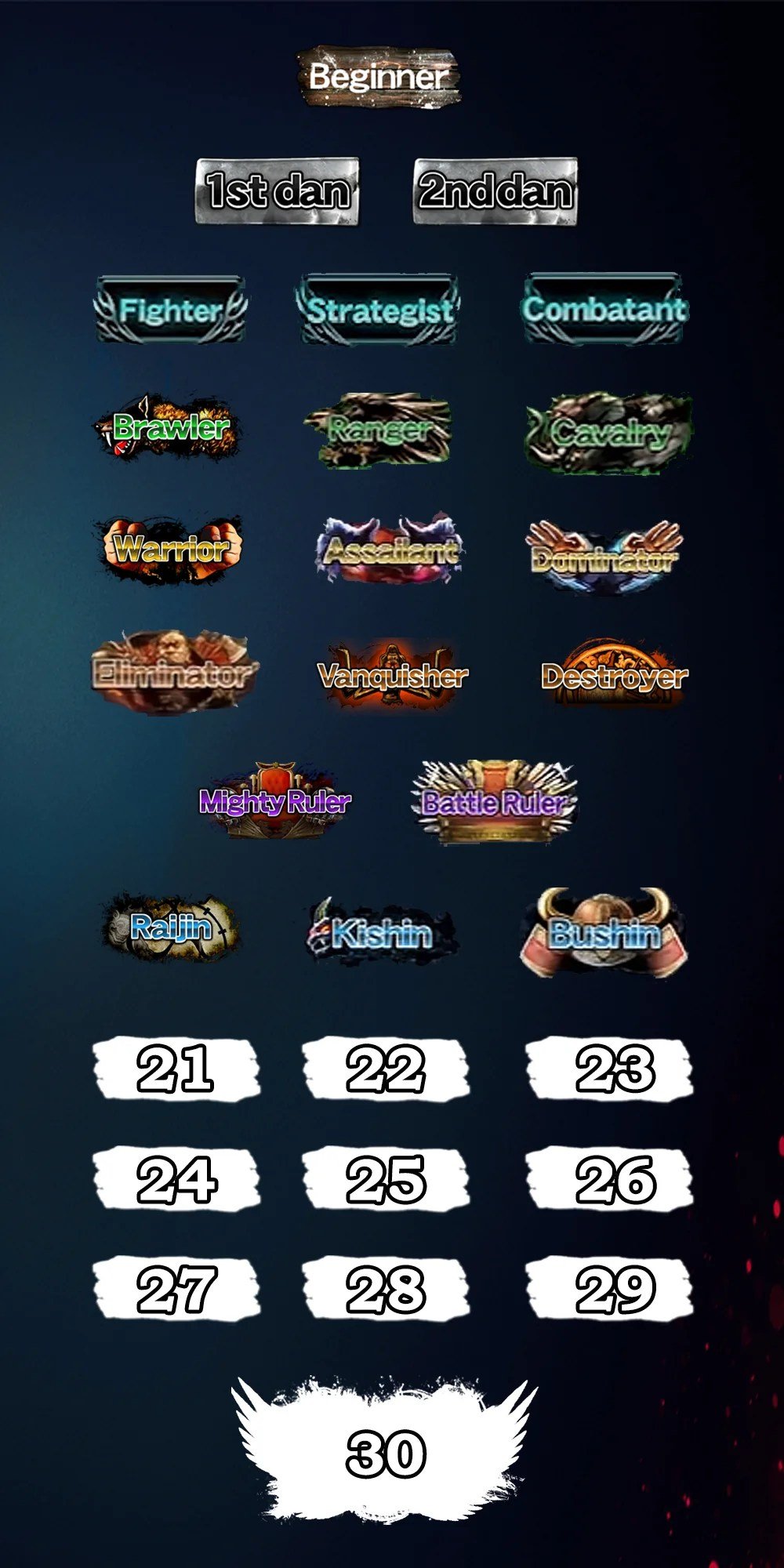
Identifying opponent weaknesses in Tekken 8 requires observing their patterns, recognizing punishable moves, and noting reliance on specific strategies.
You’re probably tired of getting crushed online, right? Every Tekken 8 match feels like a gamble when you’re facing an unknown opponent. It’s frustrating when your carefully planned combos fall apart due to an opponent’s unpredictable play style.
This is why learning how to approach and adapt by focusing on Tekken 8 identifying opponent weaknesses is so important to your overall improvement. It can really change how your matches play out and give you a competitive edge.

Tekken 8 Identifying Opponent Weaknesses
Okay, so you’re ready to climb the ranks in Tekken 8? That’s awesome! Knowing your moves is half the battle, but the other half? Figuring out what your opponent is doing and how to stop them. Think of it like a detective game – you’re looking for clues to understand their game plan. This isn’t about memorizing every single move; it’s about understanding tendencies and exploiting them. Let’s dive into how to become a pro at finding and using those weaknesses.
Recognizing Common Play Styles
Before you can pick apart a specific opponent, you need to understand the common ways people play Tekken. Think of these like different “classes” of players. Knowing what you’re up against is key.
The Aggressor
This type of player loves to attack, attack, attack! They’re always in your face, throwing out moves, and trying to keep you on the defensive. Here’s how to spot them:
- They use lots of fast moves and pokes.
- They pressure you constantly with quick jabs and kicks.
- They often try to close the distance quickly.
- They sometimes become predictable by repeating the same attacks.
How to counter an Aggressor: The key is to not let them control the pace. Use moves with good range to keep them at bay. Wait for them to get predictable, then punish their attacks with your own. Don’t try to trade hits – you might just get overwhelmed. Instead, try to make them overextend. Blocking is your best friend against these players, use it to create space to launch a counterattack.
The Turtle
These players are the opposite of the Aggressors. They are very defensive, blocking almost everything and waiting for you to make a mistake. It’s like facing a brick wall sometimes!
- They block a lot of attacks.
- They rarely commit to big, risky moves.
- They wait for you to make mistakes so they can punish you.
- They often back up to create distance.
How to counter a Turtle: You can’t sit back and wait for them to attack. They’re banking on you being impatient! Use throws and low attacks to make them open up. Mix up your attacks to keep them guessing. Don’t be predictable. When they start to expect a low attack, throw in a mid or high, and keep your mix ups on repeat. You may even consider baiting them to get a big counter.
The Spammer
These players pick a small number of moves and use them repeatedly. They rely on the moves being difficult to deal with and hope to catch you off guard. It may be hard to adjust in the early rounds if you’re not familiar with the character and move being repeated.
- They repeat the same move over and over.
- They rely on moves that have good range, speed, or special properties.
- They don’t vary their strategy much.
- They may get frustrated if you stop them.
How to counter a Spammer: Once you realize what they’re doing, it’s easy to counter. Learn how to block, parry, or sidestep their go-to move. If they’re doing a low attack, block low. If it’s a mid attack, block high. Once you know the move, you will know its weaknesses and then exploit them. Once they see that their move isn’t working, they will start to panic, and that’s where you can start putting the pressure on them.
The Mix-Up Master
This type of player uses all sorts of moves to keep you guessing. They don’t rely on one strategy. They’re good at mixing up highs, mids, lows and throws, making it hard to block effectively.
- They vary their attacks often.
- They use a range of high, mid, and low attacks.
- They mix in throws to break up your blocking patterns.
- They often play aggressively and creatively.
How to counter a Mix-Up Master: It’s not easy! Pay attention to the rhythm of their attacks. Try to understand the flow of their movements, and identify patterns. Don’t be afraid to take chances, and don’t let them control you. If you can identify some of their preferred moves, you can start to counter those while learning more about their mix ups.
Deep Dive into Identifying Specific Weaknesses
Now that you know the general styles, let’s get down to the specific things you should look for in an opponent during a fight.
Move Repetition
Does your opponent keep using the same few attacks? Many players, especially beginners, will gravitate toward moves they feel comfortable with. This is a goldmine of information! Once you spot the repetitive attacks, find their weaknesses and develop a counter strategy. Some moves might be unsafe on block, giving you a free punish opportunity. Others can be sidestepped or interrupted with a fast move.
Reliance on Specific Ranges
Is your opponent always trying to fight at the same distance? Some characters are better at close range, while others excel at long range. If your opponent is always trying to fight in a particular spot, they will have a harder time if you don’t let them. For example, if they like to keep you at the tip of their move range, you can try to step closer or out of that range, leaving their move to whiff. Then, you can counterattack. Likewise, if they are always in your face, create space and force them to come to you.
Reaction to Pressure
How does your opponent handle being attacked? Do they try to block everything, or do they try to counterattack aggressively? Some people crumble under pressure, and you can use that to your advantage. If they panic and make poor choices, exploit them. Others are more cautious and will try to wait for you to make a mistake. You can then use this opportunity to mix up your attacks to keep them on their toes.
The Throw Habit
Throws are a big part of Tekken, but you’ll find that many players get into the habit of throwing too much, or throwing the same way. If your opponent is throwing too much, they become predictable. Be ready to break the throw and they will most likely switch to another strategy. If they throw in one direction, always be ready to tech it, and they will change their strategy. If your opponent is predictable with throws, they become easy to beat.
Low Attack Tendencies
Low attacks are very useful, but many players don’t use them much, or they use them in a predictable manner. Watch if your opponent uses lows frequently or if they are missing out on the opportunities to use them. Some players do the opposite, throwing out lows non-stop, which you can block and then punish. If they have very specific low attack setups, you can learn to block it every single time. Use your knowledge of their tendencies to get an upper hand.
Use of the Sidestep
Sidestepping is very important in Tekken 8. It allows you to avoid certain moves and create space to counterattack. Does your opponent use sidestepping effectively? If not, you can use linear attacks to catch them off guard. If they rely on sidestepping too much, you can use tracking moves to force them to stay still. If they sidestep one direction, you can try to punish them by sidestepping their other side. Use the weaknesses you identify with their sidestep strategy to your advantage.
Punishment Awareness
Do they punish your mistakes correctly? If not, you can take more chances, knowing that you won’t be punished every single time. If they’re not very good at punishing, they may not know the best moves to use for those specific situations. If you notice that, start mixing things up, and they won’t know how to react to your pressure, opening up even more opportunities. Likewise, if they are very good at punishing, don’t get predictable. Mix your strategies to keep them guessing.
Using Your Knowledge to Win
So, you’ve spotted some weaknesses. Now what? It’s time to take action! This section explains the general strategies you can employ.
Adapt Your Game Plan
Don’t get stuck in a routine. If your first approach isn’t working, adjust your strategy based on what you’ve learned. Try to be unpredictable. This will give your opponent a hard time.
Capitalize on Mistakes
Every time your opponent makes a mistake, make them pay for it! Use the appropriate punishment moves to cause them damage, and watch their reactions to better understand their tendencies. Don’t get too carried away. Make sure to be on your guard and prepared for them to switch strategies.
Control the Space
Don’t let your opponent dictate where you fight. If they’re a close-range player, keep them out with long-range attacks. If they’re a long-range player, try to close the distance. If you let them control the space, it is harder to make them play your style.
Vary your Offense
Don’t just spam one or two moves. Mix up your attacks, use highs, lows, and throws to keep your opponent off balance. When your attacks are unpredictable, it is harder for your opponent to defend. Be sure to not overcommit with punishable moves.
Be Patient
Don’t rush in and try to win quickly. Take your time, assess your opponent, and play strategically. Sometimes the game is decided on patience, and not every encounter requires you to go all out. Try to play the long game to identify their tendencies and exploit their weaknesses later.
Putting It All Together
Identifying opponent weaknesses isn’t just about recognizing their flaws; it’s about understanding how those flaws fit into the overall picture of their gameplay. Think of yourself as a scientist in the lab during a match. You’re constantly observing, experimenting, and adjusting your strategy based on the data. Every fight is a new puzzle to be solved. The more you play, the better you’ll become at recognizing patterns and exploiting weaknesses. And that’s how you climb the ranks!
The most important thing is to constantly be observant during the match, and make a quick judgment about your opponent’s strategy, this is how you will get better at reading your opponent’s strategy in Tekken 8. Also, remember to learn from each match and improve your understanding of game mechanics so that you will be prepared for the next time you encounter such strategies.
So, next time you step into the arena, remember this guide. Don’t just throw punches, analyze your opponent and exploit their weaknesses. This will lead you on the path to victory in Tekken 8.
How To Properly Identify WEAKNESSES In Tekken 8
Final Thoughts
Ultimately, effective gameplay in Tekken 8 requires recognizing opponent patterns. Adjusting your strategy based on their tendencies will significantly improve your win rate. Pay attention to repeated attacks or predictable movement.
Effective Tekken 8 identifying opponent weaknesses comes from diligent observation and adaptation. Exploiting these vulnerabilities creates opportunities for your own offense and defense. This knowledge is critical for success in higher-level play.

