
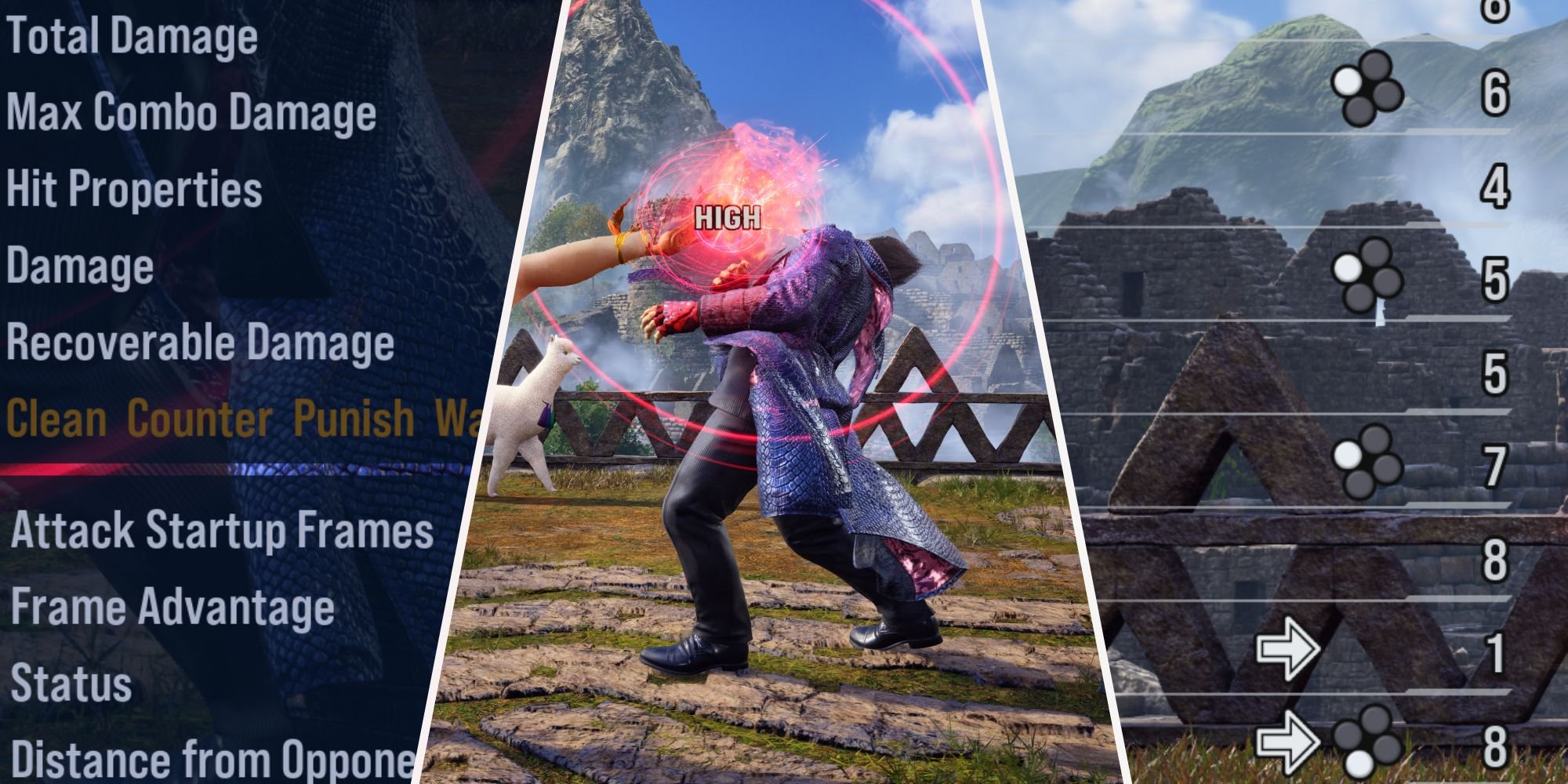
Tekken 8 mental preparation involves managing emotions, setting realistic goals, and maintaining focus during matches to avoid tilting.
Stepping into the arena of Tekken 8 demands more than just fast fingers and combos. You need a strong mind, too. The pressure of competitive play can get to anyone. This is why a Tekken 8 mental preparation guide becomes essential for success.
A calm mind allows for better decision-making. It helps you adapt to opponent’s styles. Effective mental strategies are vital for consistent performance in Tekken 8.

Tekken 8 Mental Preparation Guide
Alright, so you’re diving into the world of Tekken 8? Awesome! It’s a game that’s all about fast moves, cool combos, and outsmarting your opponent. But it’s not just about button mashing; a big part of winning comes from how you think and feel before, during, and after a match. This guide will help you get your head in the game so you can play your very best.
Understanding the Mental Game in Tekken 8
Tekken 8, like many fighting games, is a battleground for both physical skill and mental fortitude. It’s more than just knowing your character’s moves; it’s about managing your emotions, staying focused, and learning from every fight. Think of it like a chess match but with punches and kicks! Here’s why your mental game matters so much:
- Staying Calm Under Pressure: When you face a tough opponent, it’s easy to get frustrated. If you get angry, you might start making mistakes or forgetting your strategies. Keeping cool helps you think clearly and react better.
- Focusing Your Attention: In Tekken, there’s a lot happening on the screen at once. You need to watch your opponent carefully, anticipate their moves, and remember your own combos. A distracted mind will lead to missed opportunities and avoidable defeats.
- Learning and Adapting: Every match, win or lose, gives you information. If you understand the mental side, you can look at your fights and see what you need to improve. You can also figure out how your opponent is playing and change your plan.
- Building Confidence: Believing in yourself is key to doing well. If you go into a match feeling unsure, you’re likely to play hesitant. Good mental preparation helps you build the confidence you need to perform your best.
- Recovering from Losses: Everyone loses sometimes, even the best players. The mental game is all about how you handle these losses. Instead of getting mad, focus on what you can learn from the defeat and what you can do better next time.
Pre-Match Preparation: Setting the Stage for Success
Before you even press start, you can do things to get mentally prepared for your matches. It’s like getting ready for a big test – preparation is key! Here’s what you should do:
Know Your Character
It seems so obvious, but really knowing your character’s strengths and weaknesses is a must. Think about which moves work best for you, how to deal with different situations, and what your best combos are. Spend time in the practice mode to really grasp your character.
- Practice Specific Moves: Dedicate time to practice your go-to moves and combos. This builds muscle memory, so you can perform them without thinking too hard when you’re in a real match.
- Understand Match-Ups: Think about how your character fares against other characters. Certain characters will pose more challenges than others. Knowing this beforehand will help you strategize effectively.
Set Realistic Goals
Don’t expect to win every match right away. Instead, set small, achievable goals. Maybe it’s to land a specific combo, block more consistently, or read your opponent’s patterns. When you focus on specific goals, it helps you improve more effectively.
- Focus on Improvement, not Wins: Don’t just focus on winning; focus on improving a specific aspect of your game.
- Celebrate Small Victories: Acknowledge when you achieve your small goals, even if you didn’t win the match.
Get Your Environment Right
A distraction-free environment can really help you stay focused. Find a comfortable place to play where you won’t be disturbed.
- Minimize Distractions: Turn off your phone, TV, and anything else that can take your mind off the game.
- Comfortable Setup: Make sure your controller, chair, and screen are set up comfortably.
Relax and Clear Your Mind
Before you start playing, take a few minutes to relax. This will help you clear your mind so you can focus better on the game.
- Breathing Exercises: Take deep, slow breaths. Inhale for four seconds, hold for four seconds, and exhale for four seconds.
- Listen to Calming Music: Some people find listening to calming music or white noise helps.
During the Match: Staying Sharp and Adaptable
Now that you’re in the game, keeping your mental focus is key. Things can get intense quickly, but staying grounded will make all the difference. Here’s how to do it:
Stay Focused and Present
Don’t let your mind wander. Focus on what’s happening right now, not on what just happened or what might happen. It’s like a race; you have to concentrate on the path in front of you.
- Watch Your Opponent Carefully: Pay close attention to their movements, tendencies, and patterns. What do they do after they block? What are their go-to moves?
- React Don’t Just Predict: Sometimes you need to react rather than try to predict everything they do.
Manage Your Emotions
It’s easy to get frustrated if you start losing. But getting angry or upset will only make you play worse. Try to stay calm and think rationally.
- Recognize Negative Feelings: Acknowledge when you feel frustrated or tilted. Don’t push these feelings away, but acknowledge and try to control your response.
- Take a Break if Needed: If you start to feel too frustrated, take a short break. Go stretch, get a glass of water, and clear your head.
Adapt to Your Opponent
You can’t just stick to the same plan if it’s not working. Figure out what your opponent is doing and change your approach.
- Identify Patterns: Look for repeating patterns in your opponent’s playstyle. Once you identify a pattern, you can exploit it.
- Change Your Strategy: If your plan isn’t working, be ready to switch things up. Try a different approach or use different moves.
Keep Your Game Plan Simple
Don’t overcomplicate things. Stick to your basics and try not to go for fancy plays if they are not necessary.
- Master the Fundamentals: Focus on basics like movement, spacing, and blocking.
- Avoid Panic Moves: When you panic, you might start mashing buttons and making mistakes. Try to stay in control.
Post-Match Analysis: Learning from Every Fight
The fight might be over, but the learning doesn’t stop. Thinking about your match afterwards is important for improving over time. Here’s how to analyze your matches:
Review Your Gameplay
Whether you won or lost, there’s always something you can learn. Take some time to think about what happened during the match.
- Watch Replays: If the game has a replay feature, use it. Watch the match from your and your opponent’s perspective.
- Identify Mistakes: Look for specific mistakes you made and think about how you could have done things differently.
Understand Your Strengths and Weaknesses
Think about what you did well and where you struggled. This is vital to help you focus on what to improve.
- Capitalize on Your Strengths: Build upon your successful strategies and moves.
- Address Your Weaknesses: Don’t ignore your weak areas. Work on improving those parts of your game.
Learn from Your Opponents
Every opponent has something to teach you. Think about what they did well and how you can add those things to your own game.
- Note Their Tactics: Pay attention to the tactics and strategies your opponents use, particularly if they were successful.
- Borrow Strategies: Don’t be afraid to try out some of your opponents’ strategies in your own game.
Maintain a Positive Mindset
It’s important to stay positive, even after a loss. If you get discouraged, it will be hard to improve. Remember, every loss is an opportunity to learn.
- Avoid Blaming Others: Don’t make excuses or blame others. Take responsibility for your actions.
- Focus on Progress: Remember that improving takes time. It’s more important to see progress than to focus on your wins or losses.
Think of each match as a chance to learn something new about Tekken 8 and your own abilities. By focusing on mental strength, you’ll be ready for any challenger.
By understanding how important the mind is, and by applying these mental techniques, you are on your way to making yourself better at Tekken 8. Remember, it’s not just about how well you press buttons, but how you use your brain. Stay calm, focus, adapt, and learn. Good luck, fighter!
How to ACTUALLY Improve at Tekken 8
Final Thoughts
In short, effective Tekken 8 mental preparation involves managing tilt, setting realistic goals, and focusing on learning from each match. A calm mind allows for better decision-making and faster adaptation to opponents. This helps to improve overall gameplay.
Consistent self-reflection after each session is must. It is crucial to analyze your performance honestly and identify areas for growth. This proactive approach builds resilience and a positive mindset. Remember a strong mind is important to excel in Tekken 8.
Applying this Tekken 8 mental preparation guide will improve your game and make you more competitive. This guide is a solid starting point for achieving consistent improvement.

