
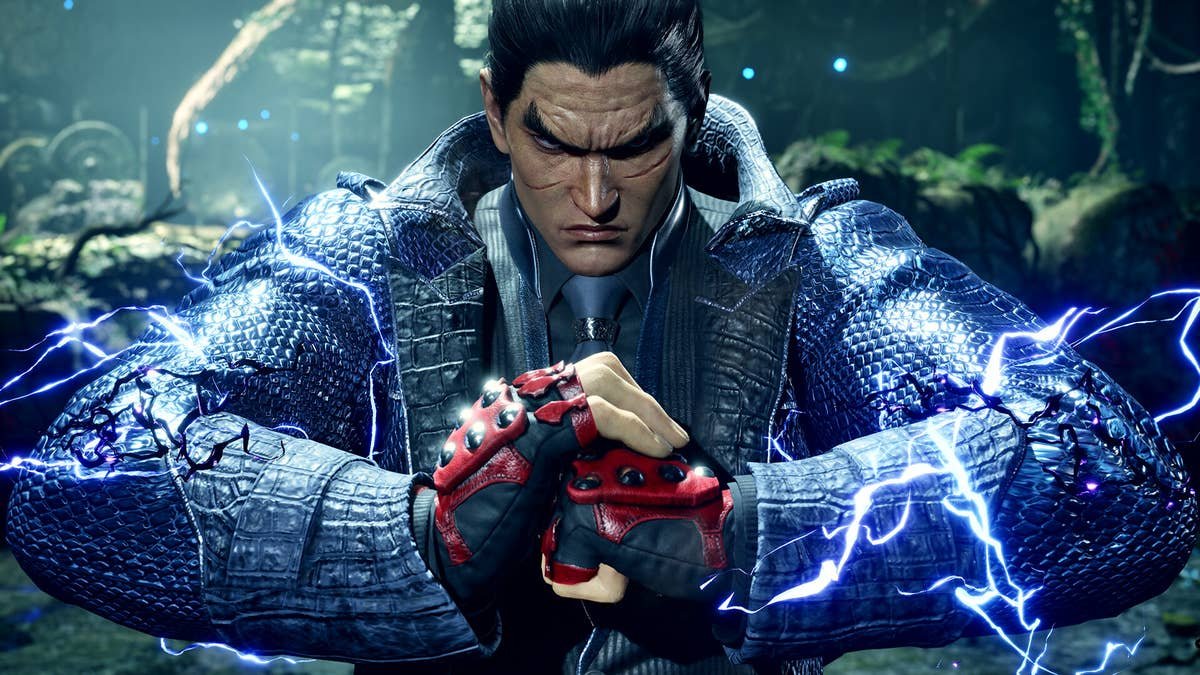
The overall game complexity in Tekken 8 stems from its intricate movement system, extensive character move lists, and the mind games inherent in high-level play.
Tekken 8 demands dedication from players who wish to compete effectively. The game’s depth comes from more than just button presses, requiring an understanding of spacing, frame data, and opponent tendencies. This makes the Tekken 8 overall game complexity quite a challenge for newcomers.
The learning curve is steep, but the reward for investing time and effort is immense. Players must grasp its unique mechanics to progress beyond basic play, leading to compelling matches and intense rivalries.

Tekken 8 Overall Game Complexity
Tekken 8, the latest entry in the long-running fighting game franchise, is known for its intricate gameplay. Many new and returning players are wondering just how complex this game really is. It’s not just about button mashing; there’s a whole world of systems and techniques to explore. Let’s dive deep into what makes Tekken 8 such a multifaceted experience.
Movement: More Than Just Walking Around
At first glance, moving in Tekken 8 might seem straightforward. You use the directional pad or analog stick to walk forward, backward, and crouch. But there’s way more to it than that! Good movement is the foundation of any strong Tekken game player. It’s not just about getting closer to your opponent; it’s about creating opportunities, avoiding attacks, and dictating the pace of the fight.
Backdashing: The Art of Evading
Backdashing is a fundamental technique in Tekken. It allows your character to move quickly away from danger. But it’s not just about pushing back; a good player utilizes backdashes to bait out attacks, create space for counter-attacks, or just to reset to neutral. You will need to practice the timing. There are different timing of backdash, also if you repeat it too quickly, the backdash distance will be shorten, that’s why timing is key. Knowing when to backdash and how to time it is essential to control the flow of the fight.
Sidestepping and Sidewalking: Dodging on the Sides
Tekken is a 3D fighting game, so moving side to side is extremely important. Sidestepping and sidewalking allows you to move around your opponents attacks. Many attacks in Tekken are linear, meaning they only go straight. By sidestepping or sidewalking properly, you can completely avoid attacks while remaining in a range to attack back. Sidestepping is more like a quick dodge to the side and sidewalking involves holding the button and circling around the opponent. These are really powerful tools that any player should learn.
Korean Backdash: Advanced Evasion
A lot of experienced players use a movement technique called Korean Backdash or KBD for short. It’s a more advanced movement technique than a simple backdash. It involves performing a series of quick backdashes in a specific sequence. This allows you to create space much faster than the regular backdash. This is hard to learn but has very high payout. Mastering the Korean backdash can elevate your game, creating more opportunities for punishing your opponent’s whiffs and making them more hesitant to press their attacks. It’s a technique that separates the casual players from the more serious competitors.
Offensive Systems: Beyond Button Mashing
Tekken 8’s offensive gameplay is much deeper than just randomly pressing buttons. Each character has a wide selection of attacks, throws, and combos, along with other unique systems to take advantage of.
Character Movesets: Learning Your Options
Each character in Tekken 8 has an enormous list of moves, and it can take a long time to learn all of the options each character has. These moves can be normal attacks, special moves, and unique moves specific to that character. The movesets are a key part of each character’s unique play style. Some characters are more aggressive, and some are more defensive. Learning each move and what the moves do will help players utilize the most of each character.
Frame Data: The Secret Language
Frame data refers to the amount of time each move takes to come out, how long the attack is active, and how long the recovery is. Each frame represents a 1/60th of a second. Understanding frame data is very important if you want to become a competitive player. The frame data of a move will tell you if you are able to interrupt your opponent’s attack or if they can interrupt yours. Players use this to optimize their punish game and learn what moves are more dangerous than others.
Combos and Juggle Systems: Stringing Attacks Together
Tekken is known for its combo system. Combos are series of attacks stringed together in a way that they cannot be blocked. However, you cannot just attack randomly and make a combo. You have to launch your opponent in the air for most of the combos. This process is called juggling. Knowing the correct moves and timings to execute the combos is a key part of playing Tekken. Juggling a character is easier said than done. Knowing which move can start the combos and what moves you can use to continue is all very important knowledge you need to gain to excel in Tekken.
Heat System: New Ways to Apply Pressure
Tekken 8 introduces the Heat system. This is a new mechanic where each character can enter a powered up state with a limited timer. When activated, characters get various boosts, such as more damage and new move properties. This system completely changes how the game is played. Some characters can combo easier with heat, and some characters get completely new moves when heat is activated. Learning how to utilize the heat system is vital to succeed in Tekken 8. When used correctly, it can turn the tides of a battle with its significant advantages.
Rage Arts and Rage Drives: Comeback Mechanics
Rage Arts and Rage Drives are comeback mechanics in Tekken 8. When your health is low, your character enters a “Rage” state. In this state, you can use a Rage Art or Rage Drive. Rage Arts are cinematic super moves that do a lot of damage. However, they can be blocked and punished. Rage Drives are character-specific powered-up moves that add more pressure on your opponent. These moves give you the ability to end a game with one move. You need to carefully calculate the situation and learn when is the best time to use this.
Defensive Systems: Staying Alive
Offense isn’t the only key in Tekken. Knowing how to defend is equally as important as knowing how to attack. Tekken has a lot of defensive options that you can use to avoid damage.
Blocking: The First Line of Defense
Blocking is the most basic, but it’s still a critical part of Tekken’s defensive system. You can block high attacks by holding back and block low attacks by holding down and back. Players have to react to the attacks in real time by guessing if the opponent is going to hit high or low. You need to have good reaction and prediction skills to block efficiently. You need to be calm and make a judgment call to correctly defend against different attacks.
Low Parries: Turning the Tables
Low parries are a way to block low attacks and turn them into an offensive opportunity. If you perfectly time the low parry, your character will parry the low attack and give you an opening to attack. Low parries are a good way to punish players that are too focused on attacking lows. Low parries are hard to do since you have to predict and time the move perfectly.
Throws and Throw Breaks: The Grappling Game
Throws are unblockable attacks that can throw your opponent and deal damage. However, there is a way to get out of throws. When you are being grabbed, you need to press one of the punch buttons to break the throw. There are many different throws that requires a different break button. Knowing which breaks work for which throw is important to defend against throw spamming. The throw system adds a layer of complexity to the defensive game and keeps the opponent guessing.
Punishing and Whiff Punishing
Punishing is a key part of Tekken. It’s when you take advantage of your opponent’s mistakes. This includes punishing unsafe attacks and also whiff punishing. If your opponent throws out a move and misses, it creates an opening for you to attack them. Being able to react to your opponent’s mistakes is important to capitalize on their errors. Learning to punish correctly is how you start getting wins in Tekken.
Mind Games and Strategy: The Mental Battle
Beyond mechanics and techniques, Tekken 8 involves a heavy mental component. It’s about predicting your opponent’s actions, exploiting their habits, and adapting to their playstyle.
Reading Your Opponent: Predicting Their Next Move
A big part of Tekken is about analyzing your opponent and their habits. Are they always attacking with highs? Are they using a lot of lows? Do they like to throw a lot? By recognizing the habits of your opponent, you can prepare to counter their actions. This leads to mind games and creates layers of complexity. The more you understand their playstyle, the easier it will become to anticipate their next move.
Mix-Ups: Keeping Them Guessing
A mix-up is a strategy that involves using a variety of attacks to make it hard for your opponent to defend. You can mix up your attacks by switching between highs, lows, and throws. This is a strategy that will confuse your opponent and make it harder for them to block. Mix ups adds another layer to the mind games in the game and keep your opponent guessing.
Adapting: Changing Your Game Plan
Tekken isn’t just about one set strategy. You need to be able to change your approach if your opponent is getting the better of you. You might need to switch to more defensive options if you are being too aggressive, or vice versa. If they are not letting you attack, you may need to backdash a little more to bait out attacks. Being able to adjust your game plan mid-match is a skill that separates strong players from others. You must be flexible and not too predictable.
Character Specific Complexity
Each character in Tekken has different unique play styles, special moves, and techniques that you need to learn. The game will feel very different depending on which character you are playing.
Character Archetypes
There are many different archetypes of characters such as rush down, spacing, and grapplers. Rush down characters like Bryan and Hwoarang are meant to put the opponent in pressure using fast and aggressive attacks. Spacing characters like Jin and Devil Jin wants to keep the opponent at a distance and pick them off using pokes and long ranged moves. Grapplers like King and Marduk wants to get in close and throw the opponent with a lot of command grabs. Each archetype plays very differently and requires you to approach them with different styles of play.
Unique Mechanics
Some characters have unique mechanics that only they have. For example, Reina has an electric stance which allows her to perform powerful moves. Zafina has a very complicated stance system which allows her to cancel and mix up different strings into her stance. Devil Jin has an extra unique flying mechanic. You have to learn all of the little things that your character can do to maximize its potential. All these different characters adds a lot of complexity to the game.
Matchup Knowledge
Since every character plays very differently, you have to learn about how they interact against each other. This is what we call matchup knowledge. Some characters have a better time against some characters than others. This is a very deep topic and may take a lot of time to master. Learning the strengths and weaknesses of each character will help you navigate the match ups a lot better.
Practice and Learning Curve
Tekken 8 is a complex game and it takes time and dedication to get good at it. There is no shortcuts, you must practice and learn the basics of the game to become good.
Training Mode: Your Best Friend
Training mode is where you can practice all the mechanics and techniques that you need to learn in the game. It gives you the freedom to practice combos, movement, and defensive options, all while under no pressure. You should use training mode often to try out new things and develop your skill. Training mode is where you can truly improve your game. You will need to dedicate a lot of time into the training mode if you want to get good at Tekken.
Learning From Others
It’s helpful to watch videos from other players to learn different strategies and playstyles. Watching other players who are good and have a good understanding of the game will greatly help you gain knowledge and grow as a player. This is also a good way to learn about matchups and how to play different characters. You can pick up on tips and tricks that you never knew about before, from the community.
Consistency and Patience
Like any fighting game, it takes time to become good at Tekken 8. You can’t expect to learn everything instantly. You need to be consistent with your practice and have the patience to improve over time. Set small goals for yourself and work your way up to the more complicated skills and techniques. Don’t get discouraged if you are losing a lot, it’s a part of the learning process.
In short, the complexity of Tekken 8 is layered and deep. From the intricate movement system to the character specific mechanics, there is always something new to learn. It’s a game that rewards dedication and hard work. While the learning curve can be steep, the satisfaction of pulling off a complex combo or outplaying your opponent is incredibly rewarding. The depth and skill ceiling in Tekken 8 is incredibly high. With enough time and effort, any player can get good at the game.
The Most In Depth Fighting Game Character Of All Time
Final Thoughts
Tekken 8 overall game complexity stems from its deep mechanics and character-specific movesets. The intricate systems demand practice and a strong understanding of frame data for effective play.
The game’s varied offensive and defensive options also contribute to its depth. Players must adapt their strategies constantly.
Ultimately, Tekken 8 overall game complexity makes it a rewarding experience for dedicated players. It presents a high skill ceiling, encouraging continuous learning.

