
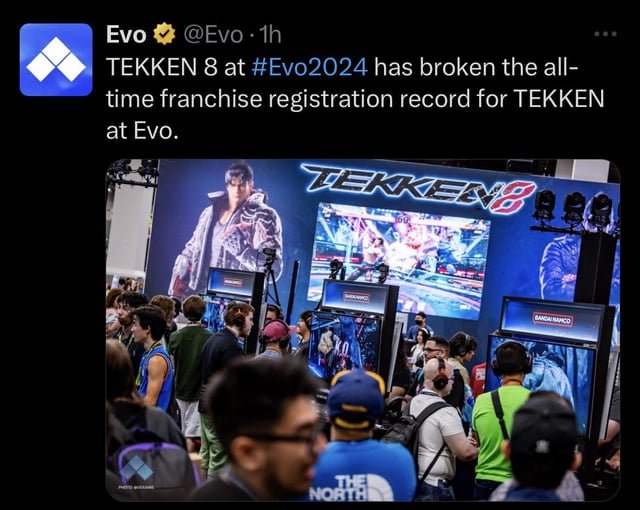
Tekken 8 represents the latest chapter in a long-running saga, building upon a rich legacy established throughout the Tekken series’ history, evolving gameplay and story elements.
The clash of fists and family feuds, a staple of the fighting game genre for decades; that’s what the Tekken series brings. We dive deep into the past and analyze what makes the series the epic it is. It’s time to examine Tekken 8 overall series history.
From its humble arcade beginnings to the modern graphical prowess we see today, the franchise has consistently delivered satisfying combat. Each installment builds on the foundations of the last, growing its unique style. This long history makes Tekken stand out.

Tekken 8 Overall Series History
Tekken, a name that resonates with fighting game fans worldwide, has a rich and exciting history. From its humble beginnings in arcades to its current status as a gaming juggernaut, the Tekken series has consistently pushed boundaries and delivered unforgettable experiences. Let’s take a journey through the series, exploring the core games, their stories, and the evolution of this beloved franchise, all the way up to the newest installment, Tekken 8.
The Arcade Beginnings: Tekken 1, 2 & 3
The Tekken story began in 1994 with the release of the very first Tekken game in arcades. It wasn’t just another fighting game; it introduced a unique 3D fighting system that set it apart from the 2D fighters of the era. Tekken 1 had a relatively small roster, but each character had their own fighting style and a compelling backstory that was hinted at through the game’s cutscenes. This was a time when simple graphics and sound were enough to get players hooked. Key characters like Kazuya Mishima, Paul Phoenix, and Nina Williams made their debut, instantly capturing the hearts of gamers.
Tekken 2: Expanding the Universe
Just a year later, in 1995, Tekken 2 arrived, building on the foundations of the first game. It brought significant improvements to the graphics and added many new characters to the playable roster. Crucially, Tekken 2 deepened the storyline and set the stage for the complex narrative that would define the series. It explored the rivalry between Kazuya and Heihachi Mishima, the family drama becoming a core aspect of the Tekken lore. The gameplay also felt much more refined, offering players more depth in the fighting mechanics and more varied character move sets. This installment was a turning point, showing gamers that Tekken had big ambitions and even bigger stories to tell.
Tekken 3: The Generation Shift
In 1997, Tekken 3 hit the scene, and it was a game-changer! It completely shifted the visual style, introducing a more modern and smoother look to the characters. The gameplay went through a major overhaul too, and it became much faster and more combo-focused. But the biggest change was the introduction of a new generation of characters. Jin Kazama, the son of Kazuya, took center stage. We also met popular new faces like Hwoarang, Ling Xiaoyu, and Bryan Fury. Tekken 3 is often considered one of the best fighting games ever made. It’s remembered for its addictive gameplay and amazing soundtrack, and it solidified Tekken’s place as a top competitor in the fighting game genre. This was the era that truly defined Tekken, a mix of martial arts action and engaging story.
- Tekken 1: Introduced the 3D fighting system and classic characters.
- Tekken 2: Improved graphics, added characters, and deepened the storyline.
- Tekken 3: Revamped gameplay, new generation of characters, and iconic status.
The PlayStation 2 Era: Tekken 4, 5 & 5: Dark Resurrection
The PlayStation 2 marked a new era for Tekken. The series made the jump to home consoles, allowing more people than ever to get in on the action.
Tekken 4: A New Direction
Tekken 4, released in 2001, tried some new things that weren’t always loved by everyone. The environments became much bigger and had walls and obstacles that changed the way you fought. While some people liked these new additions, others felt that it made gameplay slower. It also featured new storytelling methods, further expanding the lore. One key change was the way story mode was presented, focusing more on character cutscenes and adding some mystery to the stories. This entry added important plot points, such as Jin’s journey to control the devil gene, and it took a more cinematic approach than ever before. Although it wasn’t the most beloved title in the series, it showed that the developers were willing to experiment.
Tekken 5: Refining the Formula
Tekken 5, released in 2004, was a return to form for the series. It listened to fan feedback and got rid of some of the things that made Tekken 4 feel different. The gameplay was quicker and felt more like Tekken 3. This version brought back classic gameplay mechanics that made the series so popular. It reintroduced the traditional fighting stages and focused on fast-paced action. The roster was huge, and characters felt very unique. Tekken 5 was a major success, showing that Tekken could keep its core identity while also evolving.
Tekken 5: Dark Resurrection: An Updated Experience
A year later, in 2005, Tekken 5: Dark Resurrection came along as an update to Tekken 5. It added a few new characters like Lili and Sergei Dragunov, rebalancing the gameplay and making it even smoother and faster. This version refined the original Tekken 5 experience, offering an improved roster and better online features. The updated version also featured new modes and customization options for players to dive into. This version proved that Tekken was committed to continuous improvement.
- Tekken 4: Introduced new mechanics and bigger environments, but was divisive.
- Tekken 5: Returned to classic gameplay and refined combat.
- Tekken 5: Dark Resurrection: Enhanced version with more characters and improved gameplay.
The PlayStation 3 & Xbox 360 Generation: Tekken 6 & Tekken Tag Tournament 2
As gaming moved to new consoles, Tekken was right there with it. The next phase brought more characters, more online features and more complex storylines.
Tekken 6: Furthering the Mishima Saga
Tekken 6, which came to consoles in 2009, brought more complicated storylines to the Tekken universe. The game included a massive roster of characters and added an “Scenario Campaign” that was similar to story modes in other games. The story was more grand than previous titles, focusing on the conflict between Jin and the Mishima family, along with the rise of Azazel, an ancient evil. The new gameplay mechanics allowed for more intricate combo possibilities. Tekken 6 provided a more complete fighting game experience with its depth of story, character diversity, and combat mechanics.
Tekken Tag Tournament 2: Tag Team Mayhem
Tekken Tag Tournament 2, released in 2011, was a celebration of all things Tekken. It was the sequel to the popular non-canon spin-off, offering players the chance to play with almost every character from the series history. This title focused on tag-team gameplay, where players control two fighters and can switch them out during matches. The game allowed for crazy combos and a ton of gameplay diversity. It had an enormous cast of fighters, including legacy characters and fresh faces. Tekken Tag Tournament 2 wasn’t part of the main storyline, but it was a fun and energetic way for players to experiment with different character combinations and hone their tag skills.
- Tekken 6: Expanded the story, introduced new gameplay mechanics, and had a huge roster.
- Tekken Tag Tournament 2: Tag-based gameplay, enormous character roster, and non-canonical spin-off.
The Modern Era: Tekken 7 & Tekken 8
Tekken stepped into a new era with Tekken 7, and now we have Tekken 8. These are two titles that have cemented the series as a modern powerhouse in the fighting game world.
Tekken 7: Wrapping up the Story
Tekken 7 arrived in 2015 in arcades and then 2017 on consoles. It was the biggest title yet with a strong focus on story and a refined fighting system. It included a mix of the old and the new. The game aimed to bring a conclusion to the Mishima family saga, which had been a constant theme throughout the series. The gameplay introduced new mechanics like “Rage Arts,” which were powerful attacks that players could use when their health was low. It felt smooth, responsive, and very technical. Tekken 7 was a big success, both critically and commercially, and its long post-launch support with new characters and gameplay updates kept the community engaged for years.
Tekken 8: The Next Chapter
And now we have Tekken 8, the newest entry in the series, released in 2024. This installment carries on the high-quality tradition of Tekken, boasting amazing graphics and smooth gameplay. Tekken 8 has expanded on the mechanics introduced in Tekken 7, making the combat even more intense. The game is designed to bring new players into the fold while offering depth and complexity for series veterans. It focuses more on an aggressive style of play, encouraging players to attack and push the action. Tekken 8 continues the story with a new chapter in the Mishima saga and features a fresh way to play and enjoy the world of Tekken. It marks a new era for the franchise, carrying forward its fighting spirit while implementing new features and visual quality.
- Tekken 7: Concluded the Mishima saga, introduced “Rage Arts” and had significant post-launch content.
- Tekken 8: The newest installment, improved graphics, aggressive gameplay, and an ongoing story.
The Tekken series has come a long way since its debut in the arcades. It has continued to adapt and evolve, constantly pushing the boundaries of what fighting games can be. From its engaging storylines to its intricate combat mechanics and the iconic characters, the series has built a loyal fan base over the years. With the release of Tekken 8, the franchise has shown that it is still a force to be reckoned with in the fighting game world.
The Complete Story of Tekken Explained
Final Thoughts
Tekken 8 refines gameplay, adding new mechanics and characters to the series. It continues the complex narrative with evolving rivalries and family dramas. This entry builds upon the legacy of previous games.
The series consistently delivered satisfying combat experiences. It introduced a diverse roster with unique fighting styles. Tekken 8 overall series history highlights consistent innovation within the fighting genre. The franchise is well known for its engaging characters and dramatic story.

