
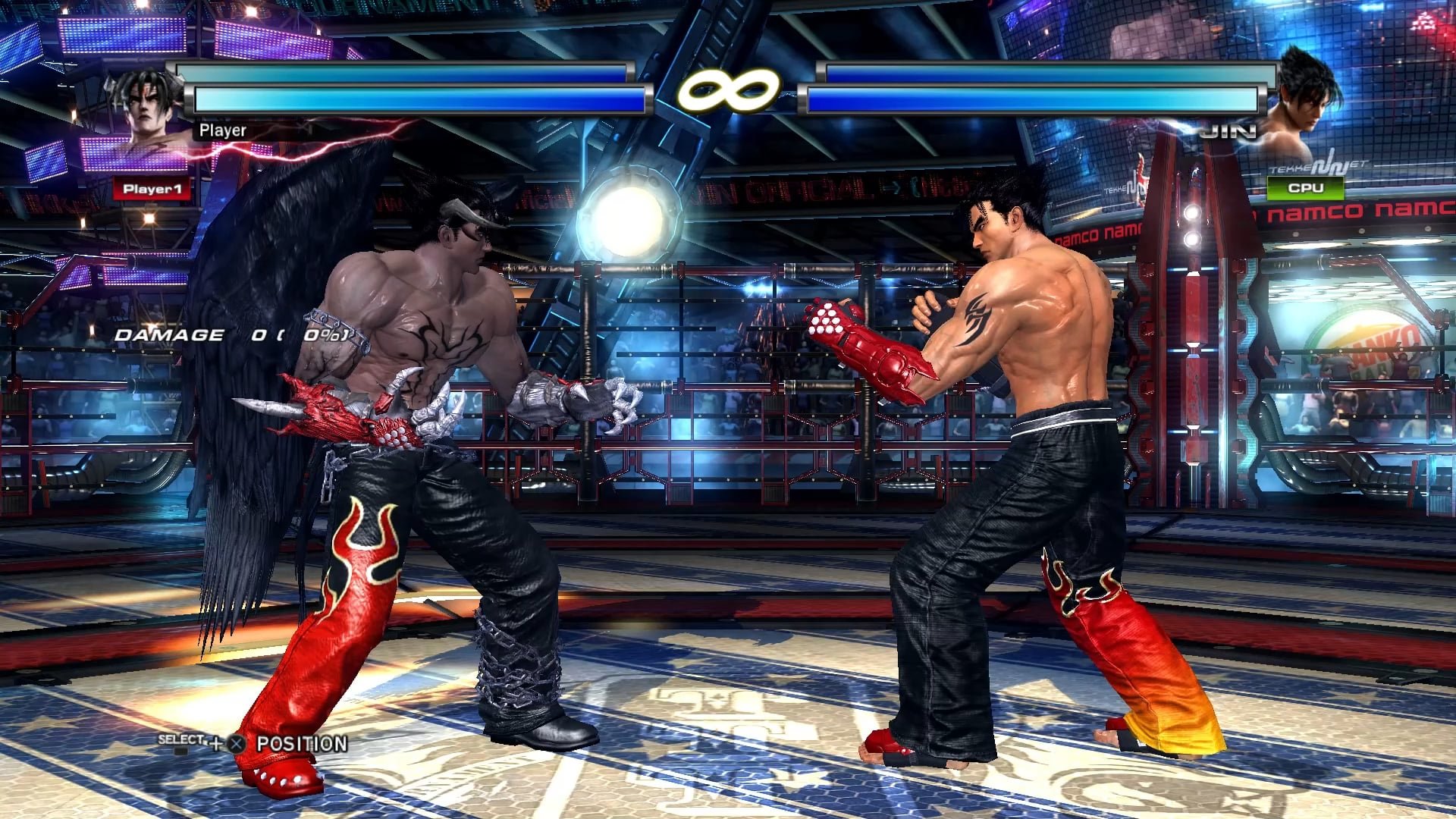
Tekken 8 playing mind games relies heavily on feints, reads, and adapting to your opponent’s patterns rather than solely execution.
Ever found yourself staring at the screen, wondering how you lost a round despite flawless button presses? It’s because Tekken 8 playing mind games is about more than just combos. It’s about psychological warfare, predicting what your rival will do, and subtly manipulating their actions.
Players use subtle movements and delayed attacks to mislead, creating openings. This mental battle adds a deep layer to the core gameplay, making every match a unique challenge. It’s why a simple low poke can sometimes be the deadliest weapon.

Tekken 8 Playing Mind Games
Tekken 8 isn’t just about button mashing and cool combos; it’s a battlefield where your brainpower is just as important as your fighting skills. It’s about playing mind games with your opponent, getting inside their head, and predicting their next move. This mental chess match is what makes Tekken truly exciting and pushes players to become better. Let’s dive deep into how you can become a mind game master in Tekken 8.
Understanding the Mental Game
Before we get into the nitty-gritty, let’s talk about the core of Tekken’s mind game. It’s all about anticipating what your opponent will do based on their past actions and using that to your advantage. Every choice you make in a fight, from a simple jab to a risky power move, is a piece of information your opponent uses to adapt to your play style. The goal is to disrupt their adaptation and control the pace of the fight. If you can predict what they’re about to do, then you can effectively counter it, and that’s where the real fun starts.
The Importance of Conditioning
Conditioning is like setting a trap for your opponent’s brain. You repeatedly use a specific move or tactic, making them believe you’ll do it again. Once they start expecting it, you change things up, catching them off guard. For instance, if you often open a fight with a low kick, your opponent will start blocking low. Now, you can switch to a mid-attack to get a solid hit. This constant back and forth, the “push and pull” of predictions, is what makes Tekken so engaging. Think of it as a dance, where you lead your opponent into the rhythm and then change it up. Here is an example of conditioning:
- Repeatedly use a throw to condition the opponent.
- When the opponent starts ducking the throw, hit them with a mid attack.
- Now they will hesitate to duck, and you can try the throw again.
Reading Your Opponent’s Tendencies
Each player has unique tendencies, habits, and patterns. Some might prefer to block a lot, while others are always on the offense. Paying attention to these habits is crucial. Did they always go for a low kick after a specific string? Do they tend to panic when you get too close? The more you observe, the better you can predict their next move and disrupt their rhythm. Watch the replays of your matches and analyse your opponent’s behaviour. Here are a few types of players you might find in the game:
- The Aggressor: They will mostly initiate the offense and not give you a chance to breathe.
- The Turtle: They prefer to defend and wait for openings and only attack when you make a mistake.
- The Pattern Player: They will use the same combo and moves repeatedly.
- The Adaptive Player: They will learn from their mistakes and adjust their play style to defeat you.
Key Mind Game Techniques
Now that we understand the basics, let’s look at some specific mind game techniques you can use in Tekken 8.
Mix-ups
Mix-ups are your main tools to break your opponent’s defense. A mix-up involves presenting a variety of attack options – high, mid, low, and throws – making it hard for the opponent to know which way to block or react. If you only attack high, a skilled player will block high repeatedly. Therefore, use mix-ups to keep your opponent guessing and prevent them from turtling up. A good mix up can create a lot of damage and also leave your opponent in disadvantageous position which can increase your win probability. The more you vary your attacks, the harder it is to predict your next move. If your opponent is sitting and blocking, try using a throw. Some characters are naturally good at mix ups like Xiaoyu, and Eddy.
Frame Traps
A frame trap is when you intentionally leave a small gap in your attack string, enticing your opponent to attack. Because they have a gap, they will believe that they have a chance to attack but they are not aware that you have a follow-up attack ready that will beat their move. The timing is very critical, you have to use the right move and execute it with precision and timing. A perfectly executed frame trap can be devastating. This can be done in any level of play, the more you practice the better you get with this. For example, a lot of moves are -9 on block which will make your opponent believe they are free to act, but if you can follow up with a 10 frame move, you can easily punish them, provided they initiate an attack.
Whiff Punishment
Whiffing is when an attack misses its target completely. A whiffed attack often leaves the attacker open to a counter attack. Skilled players will deliberately try to whiff in order to lure their opponents into a false sense of security. A smart player will be ready to punish that whiff with a quick attack. Punishing your opponent’s whiff is important because it can create damage and also put you in a better position to continue the offense. Every character has their own whiff punishment options. You have to learn your character’s moves to be good at whiff punishment. Knowing your opponent’s moves is equally important because you should know which move can be punished after their whiff.
Using Space
The distance between you and your opponent is key in Tekken. Sometimes, instead of engaging directly, it’s better to use movement and spacing to control the match. If your opponent is constantly pressing you, try backing up to create space. This gives you time to observe their approach, react accordingly, and punish any aggression. Alternatively, you can move closer to pressure them and restrict their space, limiting their options. Effective spacing can create opportunities for whiff punishment or set up your own offense. It’s like a dance where you lead and control the choreography of the fight.
Fake-Outs
Fake-outs, or feints, involve making it look like you’re going to do one thing but doing something else entirely. For instance, you could move forward as if you’re going to attack, then suddenly back off, waiting for your opponent to react. If you anticipate them initiating an attack, you can quickly punish their aggression. This works well to disrupt their predictions and force them into mistakes. Many players use fake-outs, if you are able to use fake-outs effectively, you can have a very good control over the game.
Psychological Warfare in Tekken 8
Tekken 8 isn’t just about predicting button presses; it’s about messing with your opponent’s emotional state. Here’s where the real head games begin.
Patience and Composure
A key psychological element is the ability to remain calm under pressure. A player who’s angry and frustrated is much easier to predict. When you make a mistake, don’t let it get to you. Stay focused, learn from it, and try not to repeat it. A calm player is a dangerous player because they can analyze situations effectively and adapt to their opponent’s style. If you make a mistake and get angry then you will be more prone to making more mistakes. Tekken 8 can be a very punishing game at times, so you have to be calm and composed, and keep a positive attitude. Maintaining this mindset can put you ahead of your opponent who is frustrated and losing control.
Changing Your Rhythm
Once you’ve established a pattern, it’s time to break it. If you’ve been playing aggressively, switch to a more defensive style. If you’ve been mixing up your attacks, stick to a simpler game plan. It’s important to never let your opponent get comfortable with your rhythm. If you are playing with a set rhythm, then good opponents will figure out your strategy. Changing your pace can disrupt their predictions and throw them off balance. This keeps them on their toes and makes it harder for them to predict your moves.
Mindset
Your own mindset is also important. If you go into a fight with fear, you will perform poorly. You have to be confident and believe you can beat your opponent. This confidence will help you to stay calm under pressure, make smart decisions, and execute your game plan effectively. A positive mental attitude can have a huge impact on your ability to play well. So, always keep a positive mindset, that’s the first step to victory. If you believe you are going to lose, then that thought will manifest into reality.
The Bluff
The art of bluffing involves making your opponent believe you are going to do something that you have no intention of doing. For instance, you could repeatedly duck, as if you are going to try to throw them, but instead launch a high attack. This can throw them off and make them overthink every action they want to initiate. A good bluff can create an opening for a bigger punish. You should also be mindful of the bluffs made by your opponent, so you will not get caught easily. It’s about building a perception of what you might do, and then doing the opposite.
Putting It All Together
Playing mind games in Tekken 8 is an art form. It takes practice, patience, and a good understanding of both the game mechanics and human psychology. You can learn some basics from watching professional tournaments. But learning to implement these mind games into your own playstyle can take time. Be patient with yourself and try to improve bit by bit. You have to constantly analyze and adapt your strategy. Remember, Tekken 8 is more than just a fight – it’s a battle of wits. By using these techniques, you can take your game to a new level.
Remember, while these techniques are effective, they are part of a larger game. Do not depend on only mind games, you also have to learn the fundamentals of the game. If you don’t know your character well enough, then you will not be able to execute any of these moves. Always remember, practicing fundamentals and learning mind games will make you an ideal player.
In the world of Tekken 8, understanding how to play the mental game can be just as important as technical skill. It’s about more than memorizing combos; it’s about understanding your opponent, adapting to their play style, and disrupting their plans. Every match is a new challenge to see how well you can outsmart and outmaneuver your opponents. The more you practice these strategies, the better you’ll become at predicting your opponent’s moves and turning their predictions against them. It’s a constant dance of action, reaction, and counter-reaction that keeps Tekken 8 a game that is both challenging and incredibly rewarding.
How to Apply Mind games in TEKKEN 8 – (Okizeme guide)
Final Thoughts
Tekken 8 playing mind games is central to success. Players must anticipate opponent’s actions and tendencies. This requires deep understanding of the game’s mechanics.
Reading your foe is key. Predicting mix-ups, baiting responses, and controlling spacing becomes vital. Tekken 8 challenges players to be mentally sharp.
Ultimately, victory comes from smart play. This means adapting, calculating, and always thinking ahead. The core of Tekken 8 playing mind games is to outwit and outmaneuver.

