
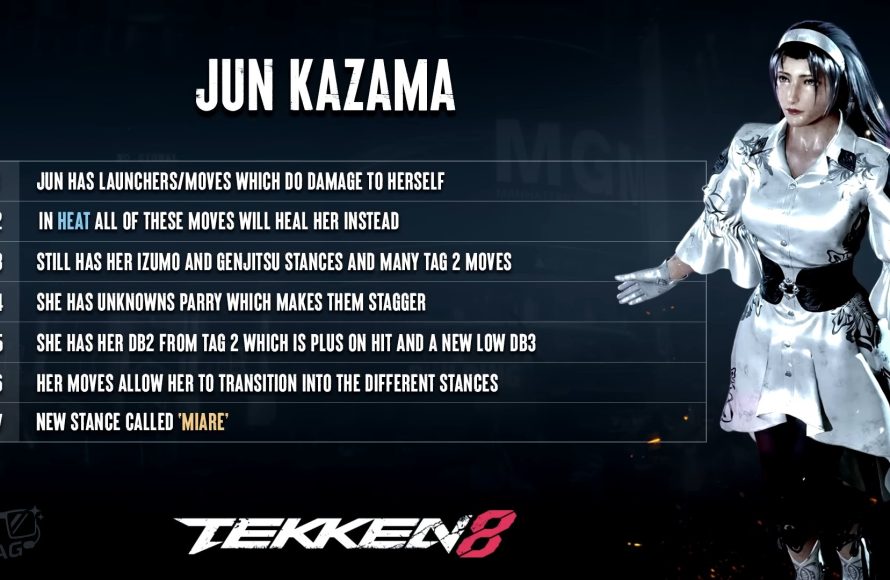
Tekken 8 projectile control strategies involve using sidesteps, parries, and movement to evade or punish ranged attacks, also utilize character specific moves that can absorb or deflect projectiles.
Projectiles in Tekken 8 can be tricky to deal with, right? They can interrupt your offense and control the pace of the match. Effective use of defensive movement is key.
Knowing how to properly sidestep, parry, or utilize character specific abilities can drastically improve your game against projectile-heavy opponents. Learning these Tekken 8 projectile control strategies will give you a significant edge.

Tekken 8 Projectile Control Strategies
Tekken 8 brings the heat with intense fights, and many characters now throw projectiles – these are like energy balls or weapons that fly across the screen. Knowing how to deal with these projectiles is a big deal if you want to win more matches. It’s not just about blocking; it’s about understanding when to block, when to move, and when to fight back. This guide breaks down all the ways you can control the projectile game in Tekken 8, so you can become a projectile-handling pro.
Understanding Projectile Types in Tekken 8
Before we get into the nitty-gritty of deflecting and avoiding projectiles, we need to know what kind of projectiles are flying around. Not all projectiles are created equal, and each type needs a slightly different approach. They can vary in speed, damage, and the way they can affect your character.
Standard Projectiles
These are your bread-and-butter projectiles. Characters like Devil Jin and Reina use these frequently. They travel at a moderate speed and are fairly easy to see coming. They usually do a decent amount of damage and can knock you down if you’re not careful. These projectiles are often single shots but sometimes characters can rapid fire these projectiles. These are usually blockable, but you need to time it right or you’ll get hit.
- Speed: Moderate.
- Damage: Medium.
- Blockable: Yes.
- Common Users: Devil Jin, Reina.
Fast Projectiles
These projectiles are really quick and harder to react to. Characters like Raven often employ these. They might not do as much damage as standard projectiles, but they’re tough to predict and very dangerous when used in combinations or against cornered opponents. Quick reactions are necessary here, and it’s tough to consistently block them, movement is often better.
- Speed: Very fast.
- Damage: Low to Medium.
- Blockable: Difficult.
- Common Users: Raven.
Slow Projectiles
On the opposite end, slow projectiles move at a snail’s pace. Characters like Feng Wei can use these to control the space. While they seem easy to avoid, their purpose is to force you to react, which can open you up to other attacks. The goal here isn’t necessarily to hit you directly, but rather to make you move in a predictable pattern, which can be risky. Think of them as a trap.
- Speed: Slow.
- Damage: Low to Medium.
- Blockable: Easy to block.
- Common Users: Feng Wei.
High Projectiles
These projectiles can fly over low attacks but can be ducked. These types of projectiles usually lead to launching your opponent for a combo if they are caught not blocking, or punish their attempts to low attack or crouch attacks. You need to learn what characters utilize these types of projectiles so you can anticipate and plan on how to react to them.
- Speed: Medium to fast.
- Damage: Medium.
- Blockable: Yes if you are standing.
- Common Users: Devil Jin, Reina.
Low Projectiles
These projectiles have the opposite effect to high projectiles, they can go under standing attacks, however they are unsafe if blocked and you can take significant damage if you try to attack when it’s thrown. You must react accordingly by stepping, jumping, or blocking. They are hard to deal with but are often unsafe, and should be punished.
- Speed: Medium to Fast.
- Damage: Medium.
- Blockable: Yes if you are crouching.
- Common Users: Zafina, Feng Wei.
Multi-Hit Projectiles
These projectiles can hit you multiple times, which makes them harder to block or avoid. You must be wary when characters use these. Characters like Law have these multi-hit projectile attacks. You should expect to block multiple times to mitigate damage.
- Speed: Medium.
- Damage: Low to High (total damage higher due to multiple hits).
- Blockable: Yes, you often have to block multiple hits to avoid chip damage.
- Common Users: Law.
Special Properties
Some projectiles might have special effects, like causing a wall splat, or doing more damage on a counter-hit. Knowing these special properties is important so you can avoid being on the receiving end of a big damage combo. Read the character move list to know their projectiles and how to react to each.
Basic Defensive Tactics
Now that you know the different types of projectiles, let’s look at ways to defend against them. There are many different techniques, from the basic to the advanced.
Blocking
The most fundamental way to stop projectiles is by blocking. By holding back on the joystick or d-pad, you can block most standard projectiles. Blocking prevents you from taking direct damage, although, in some cases, you might take a small amount of chip damage. Here’s what to keep in mind:
- Timing: Block just before the projectile hits.
- Chip Damage: Be prepared to take some damage from blocked projectiles.
- Mixups: Don’t just block; move, step, and be ready for other attacks.
Stepping
Stepping is crucial against projectiles. By pressing up or down and towards the opponent you can avoid many projectiles. Stepping is a great way to get closer to your opponent too. The key is to time your steps well, don’t just mindlessly step. Here are some details:
- Direction: Step either left or right to avoid projectiles.
- Timing: Step just before the projectile would hit you.
- Punishment: Stepping can allow you to close the distance and punish them for using a projectile.
Duck/Crouch
Duck and crouch to avoid high projectiles. This can also help you avoid other attacks and start your own offensive if they use a projectile when you expect it. You can also throw an unsafe low attack if you expect them to throw a high projectile after a block. Here are some details:
- Timing: Duck just before a high projectile hits you.
- Advantage: Allows you to get closer to your opponent and open up opportunities for launching attacks.
- Mixups: Mix ducking with other evasive techniques to make your defensive style unpredictable.
Jumping
Jumping can sometimes allow you to avoid projectiles, but be careful because jumping in Tekken is often risky, and you can easily be hit by other attacks. Only use jumps when you know you can be safe or have a purpose for using a jump, for instance to punish their projectile.
- Timing: Jump when you predict a projectile will hit you.
- Risk: Jumping can often lead to getting launched if you’re predictable, use wisely.
- Punish: A jumping attack can be used to punish projectiles.
Advanced Projectile Control Strategies
Once you get the basics down, you can begin to implement some advanced strategies to better control the flow of the game against projectile users.
Projectile Parrying
Certain characters have specific moves that can parry or absorb projectiles. Parrying gives you the chance to turn the tables on your opponent and get an advantage. You need to learn what characters have these abilities and try to implement them. It can greatly help your game if you know your own characters’ movesets.
- Character Specific: This is different for each character that has this special ability.
- Timing: You need to time the parry move perfectly as well as predict when your opponent will throw the projectile.
- Advantage: Parrying usually leads to a guaranteed attack.
Projectile Reflecting
Similar to parrying, some moves can reflect projectiles back at your opponent. This can take them by surprise and cause them to think twice before throwing out another projectile. Characters like Devil Jin and Law have moves that can reflect projectiles. These moves are often difficult to time and execute.
- Character Specific: This is different for each character that has this ability.
- Timing: You need to time the reflect move perfectly.
- Surprise Factor: Can catch your opponents off guard, which can lead to a punish.
Punishing Projectile Users
When a projectile attack misses or is blocked, it often leaves your opponent open to attack. Use these openings to punish them. Learning when to punish a blocked or missed projectile can help you get the upper hand in your matches. Here are some general things to note:
- Observe: Pay attention to their patterns and when they are throwing projectiles.
- Punish: If a projectile has low recovery, you can punish them for throwing it.
- Mixups: Mixup your offensive options after a projectile block.
Predicting Projectile Patterns
Many players have patterns when it comes to projectiles. You must pay attention to how they are using the projectile attacks. Do they always use them after you block an attack? Do they only throw projectiles when they are far away? Once you see their pattern, try to take advantage of it and adjust your defensive and offensive accordingly.
- Habits: Many players throw projectiles at similar times.
- Counter: Once you know their pattern, you can predict them and punish them.
- Adapting: Once you figure out their tendencies, adapt your game to counter their projectile use.
Using Your Own Projectiles
If your character has projectiles, use them to your advantage. You can counter their projectile with yours, control space, and force your opponent to react. If you have a faster projectile, you can nullify their projectile. Learning the specifics of your own characters projectiles will greatly help.
- Counter Projectiles: If you have a faster projectile, use it to nullify theirs.
- Force Reactions: Use your own projectiles to force your opponent to move or block, which allows you to begin attacking.
- Control Space: Use your projectile to control space and keep your opponent at a distance.
Practice Makes Perfect
Mastering projectile control in Tekken 8 will take time and practice. You should spend time in practice mode trying to react to different projectile attacks. You should focus on improving your reaction time, timing and your overall movement. Also it helps to look at some replay files and see how some professional players utilize projectile control. Here are some general ideas:
- Practice Mode: Spend time in practice mode learning to react to various projectiles.
- Record Opponent: Use the recording feature to practice against various projectile patterns.
- Replays: Watch replays to see how professionals deal with projectiles.
Understanding the types of projectiles, using defensive tactics, and practicing advanced strategies can be extremely useful and will help you gain control of any match when a player is spamming projectiles. Keep practicing and you’ll be dodging and parrying like a pro in no time. Good luck on the battlefield!
Anti Clive Guide – Tekken 8
Final Thoughts
Effective Tekken 8 projectile control strategies involve anticipating opponent patterns and using movement to evade. Learning character-specific tools for dealing with projectiles is crucial for defense.
Consistent practice is key to improving your ability to both avoid and counter these attacks. Players can use well-timed sidesteps and character-specific parries to manage projectile offense.
Ultimately, understanding and implementing effective Tekken 8 projectile control strategies is vital for success in matches.

