
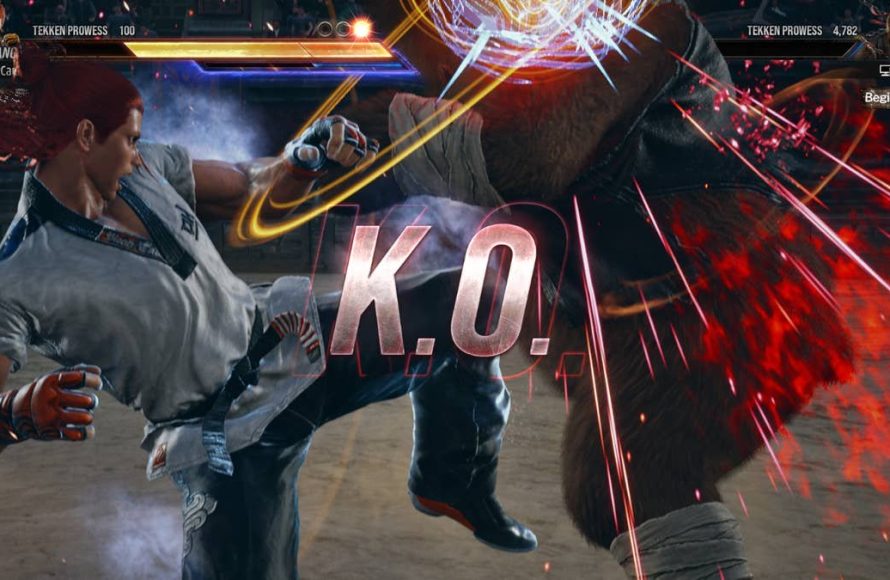
Tekken 8 reviewing recorded matches lets you analyze your gameplay to identify mistakes, study opponent patterns, and refine your strategies, ultimately improving your skills.
Want to get better at Tekken 8? A key tool for improvement lies within the game itself: Tekken 8 reviewing recorded matches. It’s a practice many players neglect, but it’s crucial for growth. Analyzing your past fights allows you to see flaws in your approach.
This method helps you understand why you win or lose. It reveals critical areas you can adjust. Reviewing those old matches offers valuable information you can use to sharpen your skills further.

Tekken 8 Reviewing Recorded Matches: Your Path to Victory
Okay, so you’ve been playing Tekken 8, throwing punches, kicking high, and maybe getting thrown around a bit yourself. That’s all part of the fun, right? But what if I told you that you can get way better at the game just by watching yourself play? That’s where reviewing recorded matches comes in. It’s like having a coach who never gets tired and always gives you the truth – even when it’s a little tough to hear. This isn’t about just watching some cool combos you pulled off; it’s about looking deeper and figuring out what makes you win (and what makes you lose!). Let’s get into how you can use this powerful tool to climb the ranks in Tekken 8.
Why Reviewing Your Matches Is Super Important
Think of it like this: when you’re in the middle of a fight, everything is happening super fast. You’re reacting, pressing buttons, and trying to stay alive. It’s hard to see exactly what went wrong or what you could have done better. That’s where the replay comes in.
Slow Motion is Your Friend: You can slow down the action and look at the exact moment you got hit, or the instant your attack missed. This is way easier than trying to remember it all in real time.
Spot Bad Habits: Do you always do the same move when you’re under pressure? Do you jump a lot? Watching replays can help you see those patterns that are holding you back.
Learn from Your Mistakes (and Your Opponent’s): Sometimes, you might lose to something unexpected. Replays help you understand what that move was, how it works, and how to block or counter it next time. You can even see what your opponent did well. It’s a two-way learning street.
Track Your Progress: You can watch replays from when you first started playing and compare them to replays now. It’s a cool way to see how far you’ve come and stay motivated.
Getting Started with Tekken 8 Replays
The good news is, Tekken 8 makes it pretty easy to record and watch your matches. Here’s how:
Recording Matches: Tekken 8 typically records matches automatically. You don’t have to think about turning it on or off. Most systems store recent match replays, making them easy to find.
Finding Your Replays: Look for a section in the main menu or in the “Fight” section that says “Replays”, “Saved Matches” or something similar. The exact location might differ a bit across platforms.
Navigating Replays: Once you select a replay, you’ll see buttons to play, pause, fast-forward, rewind, and slow-motion the video. Use these controls to look closely at different parts of the fight.
What to Look For in Your Replays
Okay, you’ve got your replay loaded up, now what? It’s time for some serious detective work. Don’t just passively watch; be active and try to understand what is going on.
Analyzing Your Offense
Move Patterns: Are you using the same moves over and over? Good players will quickly figure out your pattern and punish you. Try adding some variety to your attacks. Look at which of your moves connected and which ones got blocked or punished. Understanding move properties can improve your offensive strategy.
Punishment Opportunities: Did your opponent leave themselves open after using a move? Sometimes, they might use a move that has a slow recovery. These are perfect moments to retaliate with an attack of your own. Learn to identify these opportunities.
Spacing and Range: Check to see if your attacks hit when you expected them to. You might be too close or too far away to use a certain move effectively. Find out which moves work well at various ranges.
Mix-Ups: Are you mixing up your lows, mids and highs? If you’re just throwing high attacks, your opponent will be ready to duck, and if your always doing low attacks, they might block them easily. Having good mix-up will make it harder for your opponent to defend against your attacks.
Analyzing Your Defense
Blocking Habits: Are you blocking highs all the time, or are you getting hit by lows? Are you trying to duck under certain highs? Look for times you should have blocked but didn’t, and think about how to do it next time. Check to see if you are using the right block at the right time.
Punished Mistakes: Did you use a unsafe attack and get punished for it? See what they did to punish you and avoid doing it again. Learn how to block those attacks.
Movement Issues: Are you moving properly? Are you dashing, back dashing, or sidestepping at the right times? Sometimes, just a little movement can be enough to avoid damage, or line yourself up for an attack.
Defensive Options: Are you using the right move to get out of pressure? Look at if you’re getting grabbed or if you are getting low attacked. See if you have the right tech to use, or what you could have done to escape that situation.
Analyzing Neutral Game
Movement in Neutral: Observe how you and your opponent are moving when nobody is attacking, try to see how well you’re moving to open up your opponent and how well you’re being attacked. Do you understand what they want to do when neutral?
Spacing in Neutral: Are you playing too close or too far? How much space is good for your character? Understand what your ideal distance is.
Pokes in Neutral: When do you try to poke your opponent? Are you getting punished for trying to poke them? Are they poking you? Pokes are a good way to see what your opponent might do. You have to use it wisely.
Character-Specific Analysis
Okay, so you can analyze your gameplay, but remember that each character has their own strengths and weaknesses. Here’s what to look for when reviewing matches based on your chosen fighter:
Combos and Move Lists: Study your character’s move list and try different combinations. Are you using the right combos to do the most damage? Are you taking the most advantage of your characters tools?
Character Strengths: Does your character excel at close range combat, or do they prefer to fight at a distance? Do they have special techniques? Play to your strengths and make sure that your gameplan is built around it.
Character Weaknesses: Is your character slow or have certain weaknesses in their moveset? You need to know your weaknesses, so you know how to cover them up.
Matchup Knowledge: Certain characters might be more difficult for yours to fight against. When you lose to these characters, watch those replays extra carefully and figure out what they are doing that you need to look out for.
Specific Scenarios to Analyze
Sometimes, you need to zero in on specific situations in a match. Here are some of those moments to focus on when watching replays:
Wake-Up Situations: How are you getting up when knocked down? Are you using the same option over and over? Are you getting hit on wakeup? Vary your wakeup options so that your opponent can’t read you. Check to see if you’re blocking properly, or if you are using wakeup attacks.
Wall Carry: Watch the situations you are carrying your opponent to the wall. Try to see how much damage you did, and what you could have done better.
Wall Combos: Learn your best wall combos so you can punish them for being against the wall. See which combos are safest to use.
Rage Art Usage: Rage Art is a powerful tool, but using it randomly can lead to you being punished. Watch when you use your rage art. Could you have used it at a better time? When did you block or get hit by one? How can you avoid it next time?
Heat Usage: See how you use your Heat and see if you are doing it at the wrong time. Are you using your heat to continue combos? When your opponent has heat, are you blocking properly?
Using the Replay Tools Effectively
Tekken 8 often provides tools to help you analyze your matches. Knowing how to use these will level up your game review process:
Frame Data: Tekken 8 has frame data display. Frame data tells you exactly how fast your move is, and how much time it takes to recover from your move. Look at the startup frames, active frames and recovery frames. Understanding the frame data helps you make more informed decisions.
Input Display: The game usually shows your and your opponent’s inputs during the replay. Look at your inputs. Are you pressing buttons at the wrong time?
Slow Motion Analysis: The Slow Motion is great for looking at frame data. It can help you visually see what’s happening in between the frames.
Practice Mode: Sometimes, if you see your opponent doing a mixup that you cannot defend, go to practice mode and practice against that character so you will know what to do next time.
Taking Notes and Improving
It’s not enough just to watch your replays. You need to turn that knowledge into action:
Write it Down: After watching your replays, write down what mistakes you made. It can be on paper or in a note on your phone.
Focus on One Thing: Don’t try to fix everything at once. Focus on fixing one or two key areas at a time. Then slowly work on other areas.
Practice Makes Perfect: Don’t just watch and say that you understand what you did wrong, make sure you practice those scenarios, combos, or tech in practice mode.
Review and Repeat: Make sure you keep watching replays. The more you watch them and apply your learning in your next matches, the better you’ll get.
Seek Advice: Show your replays to other Tekken players and ask them what they think. Sometimes getting someone else’s perspective can be helpful.
By consistently reviewing your Tekken 8 matches and applying these tips, you’ll be able to understand the areas you need to work on and will be able to improve much faster. This technique not only helps to fix errors, but also helps you learn strategies and techniques that might not be obvious at first. Good luck and have fun!
T8 🔥 Lunaforever (#1 Ranked Lidia) vs FuryX (#3 Ranked Reina) 🔥 Tekken 8 Lidia Sobieski Day 1
Final Thoughts
Analyzing recorded fights proves invaluable for improvement. Tekken 8 reviewing recorded matches allows you to pinpoint errors in your strategy and identify patterns in your opponent’s play. This crucial step helps adjust tactics.
Careful observation of your past performances shows areas needing development. You can see exactly where you could have done better and make adjustments to your gameplay. Therefore, analyzing past matches is a must for growth.

