
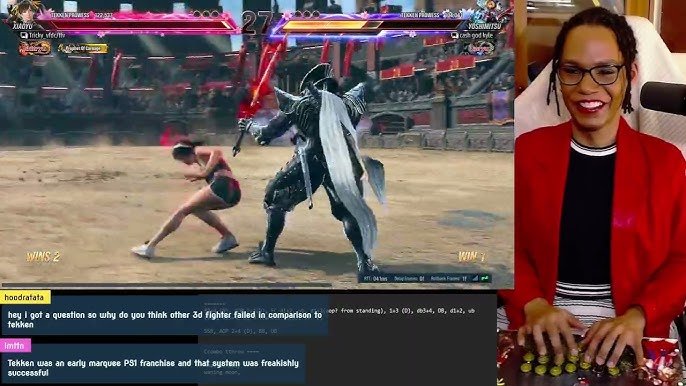
Tekken 8 spacing tactics in fights revolve around maintaining the optimal distance to control engagements, bait opponent moves, and punish whiffs effectively using character-specific tools.
Spacing is crucial in Tekken 8; it dictates the flow of a match. Good distance control allows you to set up your offense and avoid your opponent’s powerful attacks. These Tekken 8 spacing tactics in fights are not just about backing away but about finding the perfect range to punish mistakes. Knowing when to close in for pressure or back off to create opportunities is key to victory.

Tekken 8 Spacing Tactics in Fights
Okay, so you’re diving into Tekken 8 and feeling the heat, right? It’s not just about button mashing; it’s a game of chess with fists and feet! A huge part of winning those intense matches is about something called “spacing.” Think of it like a dance, where you need to be in just the right spot to land your hits and avoid getting smacked. It’s all about controlling the distance between you and your opponent. Let’s break down exactly how this works in Tekken 8.
Understanding the Core Concepts of Spacing
Spacing, at its heart, is all about managing the distance between your character and your opponent. It’s not just about standing far away or right up close. It’s about choosing the right distance for the situation. The key is to understand your character’s reach and your opponent’s, so you can be in position to strike but also be safe from their attacks. Let’s look at a few different zones:
- Close Range (In Your Face): This is where things get really wild. If you’re up close, you’ll be using fast punches, grabs, and throws. Think of it like a crowded dance floor where everyone is bumping into each other. You’ll want to use mix ups so your opponent doesn’t get used to your pattern.
- Mid Range (The Sweet Spot): This is often where the real Tekken magic happens. This range is perfect for longer-reaching kicks and punches. It’s the space where you can poke your opponent and set up combos. It’s where you are close enough to do damage, but you are also not so close that you are getting punished all the time.
- Long Range (Safe Zone, Sometimes): At a distance, you are generally safe from normal jabs and throws. This is a good spot to move around and create opportunities, but you can’t stay here all the time. You want to get in for a combo after using ranged attacks at long distance.
Why Spacing is So Important
Why go through the trouble of spacing? Simply put, it will decide if you win or lose. Here are a few big reasons:
- Avoiding Attacks: If you’re too close to your opponent’s attacks, you’re going to get hit. Spacing lets you be just out of range. You get to see the move happen and have the time to counter it.
- Setting Up Combos: Many combos in Tekken 8 need a certain range. By controlling the space, you create the opportunity to begin your combos. If you are too close or too far away, those combos won’t land.
- Punishing Mistakes: If your opponent whiffs (misses) an attack, it’s your time to strike. You can use spacing to make them miss and then launch your attack to punish them.
- Creating Pressure: By constantly moving in and out of your optimal range, you are going to make your opponent struggle to find their ideal spot. This pressure can make them panic and make mistakes.
Mastering Movement: The Key to Good Spacing
Spacing isn’t static; it’s always changing. The art of spacing lies in how you move around your opponent. Here are the main movement tools you need to understand and use:
Walking and Running
These are your basic moves but are important. Walking is about small, controlled movement, allowing you to carefully position yourself. Running is for covering big distances quickly. You will need to mix up your movement, so you won’t be predictable.
Backdashing
Backdashing is a quick way to step back and avoid attacks. It’s key for creating space. Practice to cancel it when you know it’s enough so you can get to your next step quickly. Some characters are better at it than others, so you will need to know how your character moves.
Sidestepping
Sidestepping allows you to move around to the sides and avoid certain linear attacks. Mastering sidesteps are important to stay safe and get into a good position. Be aware of tracking moves that will follow you if you try to sidestep.
Forward Dashing
Forward dashing is great for closing the distance to your opponent and getting closer quickly. Be careful, if you do this too much, you may get punished. Mix it up with other movement techniques so you are less predictable.
Adapting to Different Character Styles
Each character in Tekken 8 plays differently. Some excel at close-range brawling, while others are better at keeping opponents at a distance. The key is to understand your character’s strengths and how they match up against other characters.
Rushdown Characters
These characters want to be in your face, applying pressure with lots of fast attacks. Characters like Law, Paul, and Steve Fox are great rushdown characters. Spacing to fight against these characters will need to rely on poking and keeping them out.
Zoning Characters
These characters excel at keeping their opponent at a distance with ranged attacks. Characters like Raven, Feng Wei, and Jin are great at zoning. Spacing when you use these characters will include backdashing and long range pokes.
Hybrid Characters
These characters can do well at all ranges of combat and are flexible in their approaches. Characters like Kazuya, King, and Ling Xiaoyu are good examples of hybrid characters. Spacing with these characters means understanding the situation and adjusting your approach.
Spacing in Specific Situations
Spacing isn’t always the same. You need to adapt based on the situation. Here are some common scenarios and how to think about spacing:
Offensive Spacing
When you are on the offensive, you are using your movement to close in on your opponent. You are looking to get close enough to do damage, but also keep yourself in the optimal range for the combos you have.
Defensive Spacing
When you are playing defensively, you are using spacing to get yourself away from the opponent’s attacks. You are looking to move back and to the side, creating space. This allows you to create opportunities when the opponent is out of position.
Punishing Whiffs
This is your time to pounce. When your opponent misses an attack, use spacing to put yourself in range for your punish. If they are too far away, then run up to them or use a fast movement technique. If they are close, use a counterattack to punish them. It all depends on spacing to make this work.
Wall Spacing
The wall changes the dynamics of spacing. If you’re near the wall, you are cornered and have less room to move. You need to be careful when you are in this position. When you put your opponent near the wall, you can continue to apply pressure. Walls can also be used for extra combo potential and damage.
Advanced Spacing Techniques
Once you’ve got the basics down, it’s time to start getting fancy. These techniques are about using subtle movements and timing to confuse and dominate.
Whiff Punishing
This advanced move involves baiting your opponent into missing. When they whiff an attack, you should use that to start an attack. This involves thinking about your spacing before you make a movement. It’s all about your anticipation and reaction.
Spacing Traps
This is where you lure your opponent into a space where they are more vulnerable to your attacks. An example of this is standing just out of range for their attacks. When they go to attack, you move slightly to close the gap and punish them. This is done by being slightly closer or farther away so your opponent thinks they have the advantage when they actually don’t.
Mix-Up Movement
Don’t move the same way every time. If you always dash forward, they will see that coming. If you always step to the left, they will adjust. Mix it up. Step to the right, then left, then backdash, then run forward. Make sure it’s not always the same thing. Movement is your own creative expression. You want your movement to be unexpected.
Tips to Improve Your Spacing
Improving spacing takes time and practice. Here are some tips to help you get better:
- Practice in Training Mode: Focus on your character’s movement options and understand their effective ranges. Practice moving around the training dummy and getting used to the distance you need to be in for different moves.
- Record and Review: Record your matches and see where you get caught out or when you had the advantage. This will help you see the spacing mistakes you made and learn from them.
- Watch Professional Players: Take note of how they move and control space. Seeing how the pros handle movement will help you get ideas of your own. You will see how they are using these techniques in real matches.
- Experiment: Don’t be afraid to try new spacing techniques. You might be surprised what you can discover. Find your creative approach to moving around and controlling the space on the map.
- Fight Different People: The best way to practice your spacing is by fighting other people. You can’t learn it as well when you are only fighting the training dummy. You’ll improve as you face new challenges from different players.
Spacing is a fundamental part of Tekken 8. It’s not something you learn overnight. It will take time and practice. Start by understanding the basic concepts of distance and movement. Over time you will learn the different ranges of attacks from your character and the opponents you face. From there, you can begin to control the flow of the match with your spacing.
STOP guessing! Flash Duck/Fuzzy Duck (4 minute Tekken 8 Guide)
Final Thoughts
Effective use of distance is crucial in Tekken 8. Controlling the space between you and your opponent dictates your options. Understanding your character’s range lets you punish whiffs and open opportunities.
Spacing tactics in fights also help to bait your enemy into making mistakes. Knowing when to move in or out is a key skill to develop. This awareness leads to better control of the battle.
Ultimately, success hinges on practicing these Tekken 8 spacing tactics in fights. Good spacing is about more than just distance; it’s about controlling pace and making informed decisions.

