
Understanding risk versus reward in Tekken 8 means carefully choosing moves; high-risk attacks can lead to big damage but also leave you open, while safer options are less impactful.
Every fight in Tekken 8 is a gamble, isn’t it? You’re constantly weighing the potential payoff of a big, flashy combo against the very real chance of eating a counter hit. This dance between danger and advantage is at the core of competitive play.
Tekken 8 understanding risk vs reward is not just about knowing the moves, but knowing when to use them. The game challenges players to think critically. It pushes you to always assess the immediate situation. What is the best option for this moment and will it be beneficial?

Tekken 8: Understanding Risk vs Reward
Tekken 8, like any good fighting game, is a dance of choices. Each move you make is a gamble, a careful calculation of what you might gain against what you might lose. Understanding this balance – the risk versus reward – is not just helpful, it’s essential to becoming a strong player. It’s like knowing when to bet big and when to play it safe in a card game. In Tekken, these choices happen at lightning speed, but the core idea is always the same: is this move worth the risk?
What is Risk and Reward in Tekken 8?
Simply put, risk in Tekken 8 is the chance your move will fail or be punished by your opponent. Reward, then, is what you gain when your move works. It could be damage dealt, a knockdown, or gaining control of the fight. Let’s break it down further:
Risk Factors
Several things add to the risk of a move:
- Startup Frames: Every move takes time to start up. A slow move has a bigger chance of being interrupted by a faster one. Think of it like trying to wind up a toy. If it takes a long time, it’s easier for someone to grab it before it goes.
- Recovery Frames: After a move is done, it takes some time for your character to recover. If a move has slow recovery, your character is vulnerable for a longer time. Imagine dropping a toy; it takes time to pick it up again, making you vulnerable while you are bent over.
- Vulnerability: Some moves leave you open to specific attacks. For example, a move that makes you crouch might be easily punished by an overhead attack. It’s like having a specific weakness that an opponent can exploit.
- Predictability: If you use the same move over and over, a smart opponent will learn to expect it and counter it. Predictability adds a huge risk as an opponent will likely prepare for the same move.
- Range: Attacks with shorter reach are riskier when the opponent is far away because they may not connect, leaving you in a vulnerable state while approaching.
Reward Factors
The benefits you get for a successful move depend on several factors too:
- Damage: Some moves hit harder than others. If a move lands, the more damage you cause, the more impactful it is.
- Knockdown: Knocking down your opponent gives you a chance to follow up with another attack. A knockdown creates a temporary advantage, allowing you to apply pressure.
- Wall Carry: Some moves will push your opponent closer to the wall, where you can use wall combos for even more damage. Pushing an opponent against a wall is a setup for further pain.
- Frame Advantage: Landing some moves will give you “frame advantage”, which lets you act first before the opponent. Frame advantage is like getting to take two turns in a row.
- Mental Pressure: Even small hits can make your opponent scared and less likely to attack, making the hit itself feel more rewarding than just the damage dealt.
Understanding Frame Data
Frame data is like the secret code of Tekken 8. It tells you exactly how long each move takes to start, how long it takes to recover, and all the tiny details that impact risk vs. reward. For example, a move with “10 frame startup” means it starts in 10 frames. Here is an explanation for the frame data terms:
- Startup Frames: The number of frames before a move hits.
- Active Frames: The number of frames the attack is actually hitting the opponent.
- Recovery Frames: The number of frames after an attack before you can act again.
- Block Advantage/Disadvantage: How much faster or slower you will be after an attack is blocked.
Having knowledge about frame data lets you choose better actions and punish your opponent’s risky moves. Imagine if you know exactly when a toy will open: you can grab it before it starts. In Tekken 8, frame data lets you know exactly how much time you have to interrupt, evade or block an opponent’s move.
Different Types of Risks and Rewards
Risk and reward aren’t just about individual moves; they apply to overall strategies as well. Let’s look at different situations.
Offense: Aggressive Play
Being on the attack can be very rewarding but it’s also filled with potential risks. Here are a few ideas to consider.
- Pressure: When you are constantly on the attack, you put a lot of pressure on your opponent. The risk is that they can try to interrupt you with a quick counter move, especially if you get predictable. The reward is that you control the pace of the fight and can force your opponent into mistakes.
- Mix-Ups: When you use high, mid, and low attacks randomly, it’s hard for your opponent to predict what to block. The risk is that if your opponent guesses correctly, your attack can get blocked and you can be punished. The reward is that if they don’t guess correctly, you get an opening to attack.
- Throw Attempts: Grabbing your opponent is a great way to open them up. The risk is that throws can be broken if your opponent presses the right buttons at the right time. The reward is that if the throw lands it leads to great damage.
Defense: Patient Play
Sometimes, it’s smarter to play defensively. While this seems less risky, it carries its own type of risks as well.
- Backing Up and Waiting: You might move away from your opponent and wait for them to attack. The risk is that if you just back up and do nothing, they may try to corner you. The reward is that if you are patient, you can get them to attack, where you can then predict and counter their attacks.
- Blocking: Blocking is the safest way to defend, and it gives you a chance to punish. However, the risk is that you don’t do anything if you just block. The reward is if they try to do something risky that you can block and punish immediately.
- Punishing: Waiting for your opponent to make a mistake and then taking advantage of that mistake, can be difficult. The risk is that they might try to bait out your reaction by acting like they’re going to do a move when they actually do something else. The reward is that when they leave themselves open, you can capitalize for a bigger punish.
Risk and Reward with Different Move Types
Different kinds of moves have different risk and reward profiles.
High Attacks
High attacks are often fast but can be easily ducked under. The reward is that they are fast, and good for poking, which can interrupt other slower attacks. The risk is that if the opponent predicts your high attack, they can duck and retaliate with a punish move.
Mid Attacks
Mid attacks must be blocked standing. They are often slower than highs, but harder to punish if blocked. The reward is that they cannot be ducked and some even have a high amount of damage. The risk is that they are usually slower than high attacks, meaning that they can be interrupted easily if they are not set up properly.
Low Attacks
Low attacks must be blocked low. They can be very powerful, but they are often slow and easy to react to if you are expecting them. The reward is that they can cause your opponent to fall down, giving you a chance to follow up with another attack. The risk is that they leave you open to big punish attacks if they are blocked.
Throws
Throws can break through a blocking player’s defenses. The reward is that throws cause damage, and often force a change in your opponents mindset. The risk is that a throw can be broken if your opponent is quick enough to react to them by pressing the right buttons at the right time.
Balancing Risk and Reward
The key to success in Tekken 8 is finding the right balance. You don’t want to be too reckless and take too many risks, but you also don’t want to be too passive and allow your opponent to control the fight.
Know Your Character
Each character has strengths and weaknesses. Know which moves are safe, which ones are risky, and when to use them. Knowing your character’s style helps you make informed decisions.
Watch Your Opponent
Pay attention to how your opponent plays. Are they aggressive? Are they defensive? Do they fall for the same traps? Once you have a read on your opponent’s style, you can adjust your strategy. Observe and adjust to your opponents strategy, for example: are they blocking high attacks mostly? Then throw in some low attacks.
Practice
The more you play, the better you’ll get at understanding the rhythm of the game. You’ll learn when to take chances and when to be cautious. Experience is the best teacher.
Learn From Mistakes
Don’t get discouraged if you lose. Every loss is a chance to see what you did wrong and how you can improve. Figure out what made you lose and adapt the next time.
Specific Examples in Tekken 8
Let’s take some concrete examples to illustrate risk and reward in the game.
Example: Hwoarang’s Flamingo Stance
Hwoarang’s Flamingo Stance is a powerful stance that allows him to launch into different attacks. The reward is that it lets you do amazing combos and apply great pressure. The risk is that if your opponent predicts it, you may be punished if you use the same attack every time.
Example: King’s Giant Swing
King’s Giant Swing is a strong throw that does a lot of damage. The reward is that the throw is difficult to break, and causes very good damage. The risk is that it is very telegraphed and easy to react to for an opponent, meaning they can duck and punish.
Example: Blocking a String
Some characters have a chain of attacks called strings. The reward of doing this string is the pressure you put on your opponent. The risk is that if the string is predictable, your opponent will be able to guard and punish you with a big damaging move.
Example: Using a Rage Art
Rage arts are very strong, dramatic attacks that can only be used when your character is low on health. The reward of hitting this attack, is high damage. The risk is that if the opponent is not caught by it, they can easily punish with a big damaging combo.
The Importance of Adaptation
Understanding risk and reward isn’t just about knowing the moves, it’s also about adapting your gameplan. You might start a match being very aggressive, but if you realize your opponent is really good at blocking, you might have to change to playing more defensively. Being able to switch up your strategy is how great players learn to dominate.
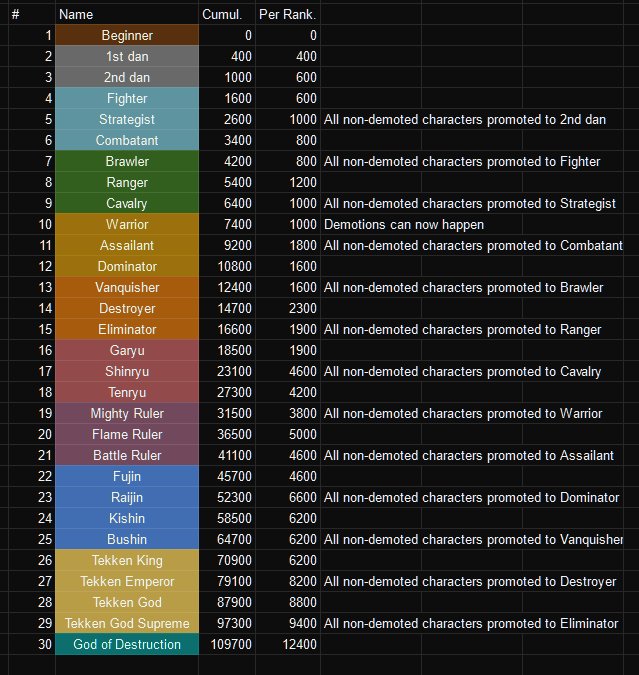
Ultimately, risk vs. reward in Tekken 8 is a constant balancing act. It’s not about finding the safest way to play, but finding the most effective way to play. Sometimes that means taking risks, and sometimes that means playing it safe. The better you understand this concept, the more you’ll progress in the game and achieve higher ranks. It’s about learning, practicing, adapting and enjoying the climb to the top of the rankings.
Big risk big reward
Final Thoughts
Effectively managing your offense and defense is key. Knowing when to pressure and when to back off will greatly impact your matches. Calculating damage output against the potential for a counter is important.
Success in Tekken 8 hinges on carefully evaluating each scenario. You must understand character-specific moves and frame data. Understanding risk vs reward in Tekken 8 makes you a better player. Applying this knowledge is essential for consistent wins.

