
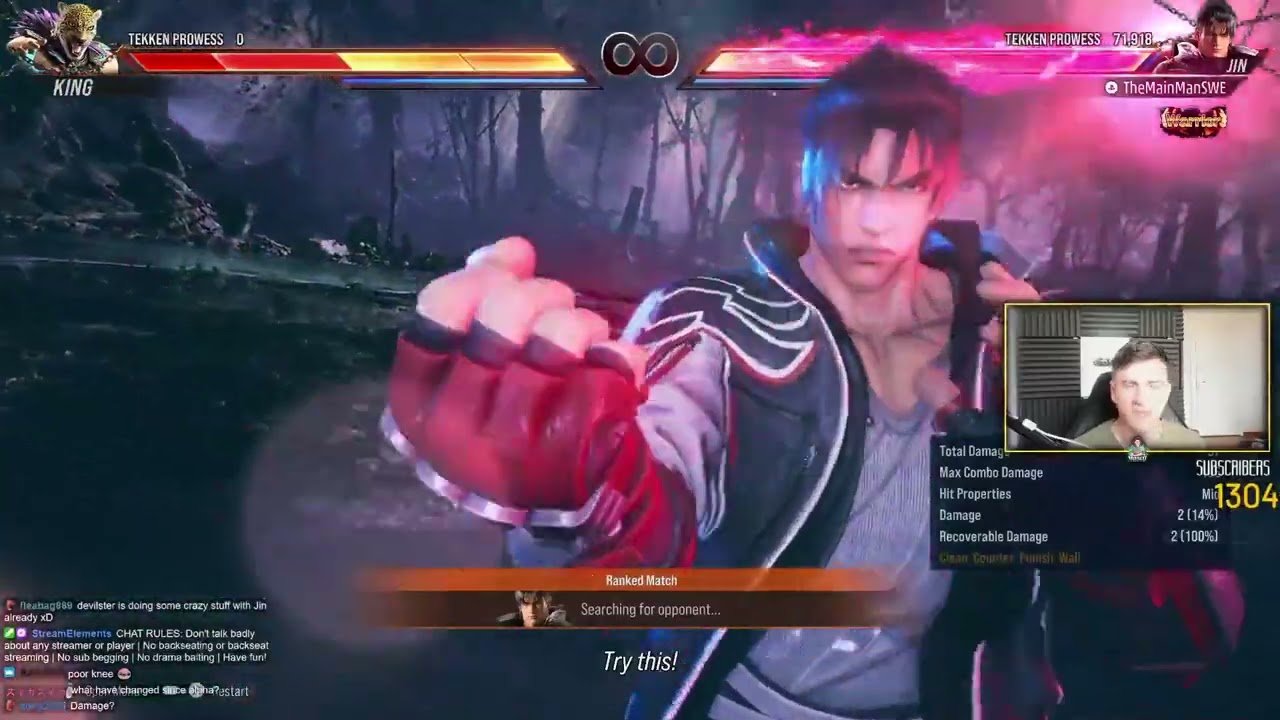
Baiting an opponent in Tekken 8 involves intentionally creating an opening for your opponent to attack, then capitalizing on their predictable reaction with a counter-attack or punish.
Ever felt like your opponent in Tekken 8 was reading your mind? Maybe they weren’t, and you just fell for a bait. Understanding what makes a bait effective is key to improving. When it comes to Tekken 8 what is baiting an opponent, it’s a tactic where you fake weakness to draw out an attack.
You might deliberately leave yourself open or use a move with noticeable recovery time, anticipating their response. This forces your opponent into a predictable pattern of attack. Then you exploit their commitment to that attack. It’s a mind game within the fight.

Tekken 8: What is Baiting an Opponent?
Hey Tekken fans! Ever feel like you’re playing a game of chess, not just mashing buttons? That’s because in Tekken 8, smart play often beats fast fingers. One of the smartest moves you can learn is called “baiting.” It’s not about fishing, but about tricking your opponent into doing what you want them to do. Let’s dive deep into what baiting means in Tekken 8, how to do it, and why it’s a game-changer.
Understanding the Core Concept of Baiting
At its heart, baiting is a psychological tactic. You’re not trying to win directly with a single move, but rather you’re aiming to make your opponent react in a predictable way, allowing you to punish that reaction. Think of it like setting a trap. You offer something tempting, knowing your opponent is likely to go for it, then BAM! You’re ready with a counter.
Key Elements of a Successful Bait
Several elements work together to make a bait effective. Let’s look at what you need to consider:
- Understanding Character Tendencies: What moves do people usually use with their main character? If they love throwing out fast mids, you can predict that. Knowing how they play is half the battle.
- Predictable Actions: Does your opponent always try to grab you when they get close? Or do they like to low parry? Recognize these patterns to turn them against them.
- Timing and Spacing: How far are you from your opponent? What timing do you need to be ready to punish a certain move they try? This is crucial for a successful bait.
- Creating False Openings: It’s like leaving your door a little open to let your friend in. You might stop attacking for a moment, making your opponent think they’ve got an opportunity. That’s a bait.
- Reading Opponent’s Mind: Baiting works best when you know what your opponent wants. Are they defensive, offensive, or overly aggressive? Adjust your bait to their playstyle.
Common Baiting Scenarios in Tekken 8
Tekken 8 is full of moments where you can use baiting. Let’s look at some of the common situations where this tactic shines:
The Whiff Punishment Bait
Whiffing means missing your attack. In Tekken, a missed attack is often a big mistake because it leaves you wide open. With the whiff punish bait, you make your opponent think they’re going to make you whiff. For example:
- You intentionally move just outside the reach of your opponent’s normal attack.
- They try to hit you, and their attack misses the mark.
- While they’re recovering, you can hit them with a strong punish.
This works because people will naturally try to capitalize on what they see as an opening, you are manipulating them by making them think they have the opening. Instead they are walking right into your trap.
The Approach Bait
This one involves how you move around the stage. Let’s break it down:
- You intentionally approach your opponent to make them react.
- They might try to stop you with a move, anticipating your attack.
- Instead of attacking, you might step back or sidestep, making their attack miss.
- Now, you have the perfect moment to punish them.
This is about making your opponent think you’re going in, only to pull back and capitalize on their reaction. You are controlling the flow of engagement and your opponent’s decision.
The Wake-Up Bait
This is crucial to understand how wake up games works. This type of baiting is used when an opponent has been knocked down.
- You wait right next to your opponent after they get knocked down.
- They might try to get up quickly by doing a get-up kick or quick stand.
- Instead of attacking, you block or move out of the way.
- You then punish them because they have to get back up before they can do anything.
By waiting, you are making your opponent panic as if you are going to attack. This will often lead to them committing an attack that will let you punish them.
The Throw Bait
Throwing can be difficult to defend against. This bait relies on this weakness:
- You move closer to your opponent, as if you will throw them.
- They might try to avoid it by moving away or doing a quick jab.
- Instead of throwing, you do something else, like a power move or a low attack.
- You now have an opportunity to punish them because they were expecting a throw, but you didn’t do it.
This bait uses the fear of grabs to open up new offensive opportunities.
The Counter Hit Bait
This is the bait that is used by more experienced players. Counter hits can do more damage, but are risky as it requires accurate prediction:
- You purposely expose yourself by letting them get close.
- They’ll try to attack you, thinking they have an easy opening.
- You then use a move that counters attacks when you are hit, netting you a more damaging counter hit.
This requires more knowledge about your move set, but it is a very powerful bait.
How to Bait Effectively
Baiting isn’t about doing a random move and hoping it works. It’s a deliberate process that you can learn. Let’s go through some steps:
1. Study Your Opponent
Pay attention to how your opponent plays. Do they repeat patterns? Are they aggressive or defensive? When do they usually attack? By understanding your opponent you’ll be able to predict what they do. You can’t set a trap for someone if you don’t know their habits.
2. Use Character Knowledge
Familiarize yourself with the common moves and strategies for each character. Knowing your own character’s moves and how to use them is vital, but also try to learn the strengths and weaknesses of other characters. This will allow you to be able to determine if they are setting up a bait or not.
3. Practice Makes Perfect
Go to practice mode and test different scenarios. Try different timings. Practice how far away you need to be for their attacks to whiff. Then, train your reaction time. The more you practice, the better you’ll get at recognizing situations and the more quickly you can react.
4. Be Patient and Mix it Up
Don’t overdo it. If you always bait, your opponent will catch on. Use different techniques, and don’t let your strategy become predictable. It’s crucial to vary your approach. You should also mix between baiting, and not baiting. The fear of a possible bait is also a tool in itself.
5. Adapt and Learn
After every round, think about what worked and what didn’t. Change your strategy based on how your opponent adapts. If your opponent starts reacting to your baits, it’s time to change your strategy. Pay attention to what they’re doing, and make adjustments on the fly.
The Importance of Patience
Patience is very important when baiting. It’s not a high-risk, high-reward kind of move, so try to wait and get a solid, consistent setup. Rushing into a bait might lead to you being punished instead. Don’t get greedy; wait for the right moment, and don’t get frustrated if it doesn’t always work the first time.
Why Baiting is a Game Changer
Baiting in Tekken 8 can truly help you to win more often, and here is why:
- Punish Overly Aggressive Opponents: It’s a counter to players who just keep attacking. If they are predictable, you are more likely to be able to punish them.
- Control the Pace: Baiting allows you to control when and how fights happen. Instead of reacting, you are setting the flow of engagement.
- Creates Openings: Smart baits make opportunities for powerful attacks, which you can combo into to do more damage.
- Enhance Your Mind Game: This will help you to think about strategy instead of just mashing buttons. You’ll get better over time.
- Become a More Formidable Opponent: The more you use this technique, the more you will improve. Baiting, like other skills, will make you a more formidable opponent.
Example Scenarios
Let’s look at a few more concrete examples to help you get the hang of baiting:
Example 1: King’s Grab Bait
Let’s say you’re playing against a King player. King loves to grab, especially after getting close. Instead of blocking or ducking, you slightly walk away. Your opponent sees this as an opening for a grab and goes for it. However, you quickly sidestep, their grab whiffs, and you’re now able to punish with a big move.
Example 2: Jin’s Electric Wind Hook Fist Bait
You are fighting a Jin and you know that they love to use the Electric Wind Hook Fist. After you see a pattern of them spamming this move, you start to move back and forth to try to get them to throw it out. Right before they do their attack, you duck low. You successfully baited them to throw out their high-reaching move, and you can punish them with a low attack.
Example 3: Law’s Jump Kick Bait
You are fighting against Law, and you notice that he loves to jump kick. You start to crouch in anticipation for the move, and as soon as he throws out the jump kick, you do a quick jab to make him whiff. You then punish him with a full combo.
Beyond the Basics: Advanced Baiting Concepts
Once you’ve got the basics down, you can start getting more complex with your baiting. Here are a few advanced concepts to consider:
Layering Baits
This involves combining multiple baits together. For instance, you might whiff a move to make your opponent think they can attack, then bait them into a counter-hit situation. It’s like setting up a series of traps.
Mental Baits
This is about manipulating your opponent’s expectations. If you always punish one way, start switching things up. For example, you might not always punish them for trying to wake up with a kick. Once you start mixing it up, your opponent will have no idea what you are going to do. You are effectively baiting them to make a wrong decision.
Conditional Baits
These types of baits change based on the situation. If you see that your opponent has certain habits, adjust your baiting to match those tendencies. For example, If your opponent always uses lows, you can bait them by crouching and punish them with a hop kick.
Common Mistakes When Baiting and How to Avoid Them
Baiting is tricky, and it’s easy to make mistakes. Here are a few common errors and how to fix them:
- Being Too Predictable: If you always bait the same way, you’ll get punished. Mix up your tactics. Try to be as unpredictable as possible.
- Getting Greedy: Don’t try to bait too often or too aggressively. You need to be patient and take the openings as they come.
- Not Reading Your Opponent: If you don’t understand their habits, your baits will fail. You need to study how they play to find opportunities.
- Rushing the Bait: If you do it too quickly, you’ll get caught. You need to be patient and wait for the right moment.
- Focusing Too Much on Baiting: Don’t let it take over your entire game plan. You still need to mix up your tactics so that you can be unpredictable.
Baiting is not just a trick or a cheap tactic; it is a key skill that will help you improve significantly in Tekken 8. By learning how to set up traps, predict your opponent, and punish mistakes, you can become a much more formidable player.
Learning to bait will take some time, practice, and patience. But it is very much worth the effort in the long run.
3 Useful Steve Fox Tips You DIDN'T Know! #tekken8
Final Thoughts
Baiting in Tekken 8 involves intentionally creating openings, often with a specific move, to provoke your opponent. The goal is to make them react predictably to set up a counter-attack. This tactic is crucial for experienced players.
Understanding Tekken 8 what is baiting an opponent allows you to exploit your foe’s tendencies. Successfully baiting leads to powerful punishes and controls the flow of the match.

