
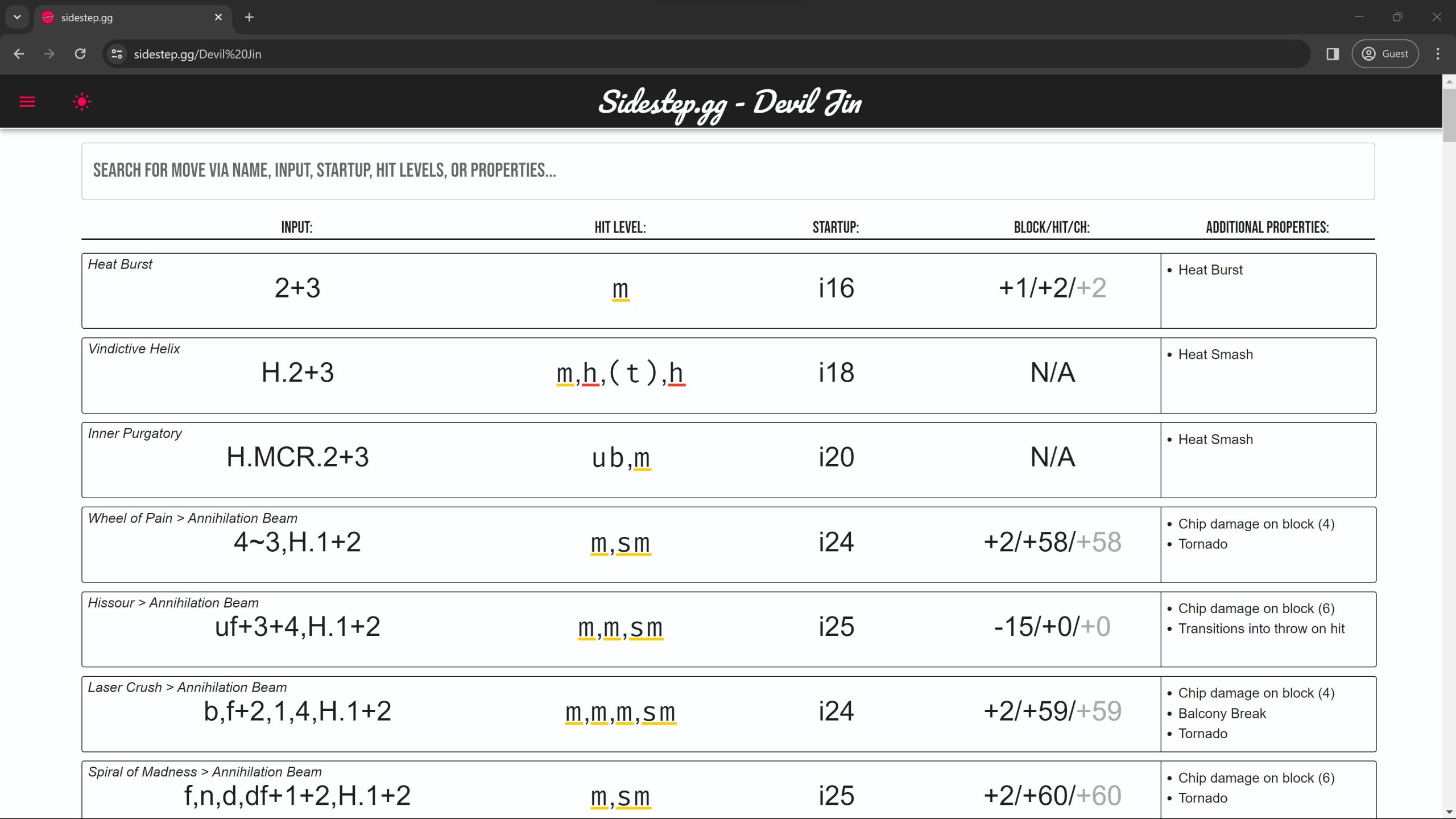
Frame data in Tekken 8 represents the numerical values of each move’s startup, active, and recovery frames, crucial for understanding a move’s speed and safety.
Ever wondered why some attacks in Tekken 8 seem to connect before others? It all boils down to understanding frame data. The core mechanic dictates each move’s properties, and learning it can dramatically improve your gameplay. Tekken 8 what is frame data exactly? It’s the detailed breakdown of how quickly moves execute and recover. This knowledge allows you to predict and punish opponent’s attacks effectively. It’s a complex concept, yet it forms the basis of advanced play.

Tekken 8 What is Frame Data?
Okay, let’s talk about something that might sound super complicated but is actually quite simple once you get the hang of it: frame data in Tekken 8. Imagine you’re watching a cartoon, and the characters move in a series of pictures, really fast, right? Well, a video game like Tekken 8 works the same way, only those pictures are called “frames”. Each action a character does, whether it’s a punch, a kick, or even just standing still, takes a certain number of these frames to complete. Frame data tells us exactly how many frames each of these actions take. It’s basically a measurement of timing in the game. Understanding frame data helps players gain a strategic advantage.
Why is Frame Data Important?
Knowing the frame data for different moves is like having a secret cheat sheet. It allows you to see how quickly each move starts, how long it lasts, and when it ends. This knowledge is the key to understanding when you can attack, defend, or move out of the way. Let’s break down the main pieces of frame data that every Tekken player needs to know.
Startup Frames
Think of startup frames as the “wind-up” for a move. These are the frames that happen before a character’s attack actually hits the opponent. A move with a very fast startup is hard to react to because the hit comes quickly. On the other hand, a move with a slow startup might give the opponent time to block or sidestep. When looking at frame data, we see it as number of frames. Low number of startup frames means the move comes out quickly, higher means it’s slower. For example, a jab might have a very quick startup of 10 frames, while a big punch might have a startup of 20 frames or more.
Key things to remember about Startup Frames:
- Lower startup frames mean a faster move.
- Higher startup frames mean a slower move.
- Fast startup moves can be great for interrupting the opponent’s attacks.
- Slow startup moves are riskier but often have more power.
Active Frames
Active frames are where the magic happens; this is when the actual hit of a move can connect. It’s the window of time during an animation when the move can cause damage. Some moves have very short active frame windows, like a quick jab, while others have longer, more forgiving active frames. When an attack hits within this active frame, the damage will register. Knowing how long the active frames last is important to know when your move can hit, making it easier to time the attacks.
Key Things about Active Frames:
- Active frames determine how long a move can actually hit.
- Shorter active frames mean more precise timing is required.
- Longer active frames offer a wider timing window for hits.
Recovery Frames
Recovery frames happen after a move’s active frames are over. These are the frames where your character is returning to a neutral position, and during this time, you can’t do another move. If your move has a lot of recovery frames, you can be easily punished by your opponent. So, you need to be careful when using moves that have long recovery, otherwise you might end up getting hit. Moves with short recovery frames are usually safer to use.
Important points about Recovery Frames:
- Lower recovery frames mean your character can act again faster.
- Higher recovery frames leave your character vulnerable to attacks.
- Safeness of a move is often judged by how quickly a character can recover.
Understanding Frame Advantages and Disadvantages
Here’s where things get really interesting. Frame data isn’t just about individual moves; it’s about how they interact with each other. The concept of frame advantage or disadvantage shows what happens when your moves connect or are blocked. Frame advantage or disadvantage determine which player can act first after an action has been taken, making it an incredibly important element in fighting games.
Frame Advantage on Hit
When your attack hits your opponent, it’s possible that they will be “stunned” or unable to attack for a very short amount of time. If this happens, you get what is called “frame advantage.” Frame advantage on hit means that after you hit an opponent, you’ll be able to move or attack sooner than they will. This advantage will allow you to pressure the opponent by doing more attacks, or continue to be aggressive. For example, if your move leaves you at +3 on hit, you can move or attack 3 frames before your opponent can.
Understanding Advantage on hit:
- “+” numbers represent frames of advantage.
- The higher the number the more the advantage.
- Frame advantage allows you to apply more pressure and control the pace of the fight.
Frame Advantage on Block
If your opponent blocks your attack, then you will usually get some form of a frame disadvantage. This means that after your attack is blocked, your opponent can act or attack before you can. If you block an attack from your opponent, this will give you frame advantage. Some attacks leave you at a disadvantage even when you hit. It all depends on the frame data of the particular move you used. A large frame disadvantage can lead to your character being vulnerable to a punish.
Understanding Advantage/Disadvantage on Block:
- “-” numbers represent frame disadvantage.
- The higher the negative number, the more vulnerable you are to attacks.
- “+” numbers when your opponent blocks show a frame advantage.
- Understanding the frame disadvantage of your attacks will help you stay safe and prevent punishes.
How to Use Frame Data in Tekken 8
Now that you know what frame data is and what it does, let’s talk about how to use this knowledge in actual gameplay. This information can seem complex, but it does not need to be. By practicing and learning frame data for different moves, it will naturally start to sink in and become part of your instinct.
Learning Your Character’s Frame Data
First things first: you need to learn the frame data for your main character in Tekken 8. The best place to do this is by looking at frame data charts, which show all the different moves and their corresponding frame data values, including start-up, active, and recovery frames. Several websites and resources will compile this data. Start with your character’s commonly used moves. If you know your jabs start in 10 frames, you will know to attack your opponent immediately after your opponent’s attack is blocked.
Tips for learning frame data:
- Focus on your most used moves first.
- Practice those moves repeatedly, paying attention to their speed.
- Use a training mode in Tekken 8 and have dummy record actions, you can practice your frame data.
Punishing Opponents Based on Frame Data
Knowing frame data allows you to punish your opponents for making mistakes. If your opponent uses a move that has high recovery, you know that you’ll have a window to attack them before they can block or move. You can start to use your own moves that have fast start-up and little recovery to take advantage of the situation. By understanding your opponent’s frame disadvantage, you’ll be able to get free hits and control the pace of the match.
Examples of Punishing with Frame Data:
- Use a 10 frame jab to punish moves that have -10 or more on block.
- Use a 13 or 14 frame launcher to punish a big negative move.
- Be aware of which moves can be punished and which moves are safe on block.
Setting Up Your Offense Using Frame Data
By understanding your frame advantage on hit, you’ll be able to continue your offense. Use plus frames to create offense opportunities and keep your opponent guessing. If you can make your opponent block often, and also know your attacks leave you on +1 or +2 frame advantage on block, you will be able to pressure your opponent, forcing them to make a mistake. Frame data can also be used in combos to make your combos hit more consistently.
Using Frame Data Offensively:
- If you have a string of attacks that leaves you at +4, you can attack again.
- If an attack leaves your opponent far, you should use a move that can reach him.
- Plan your attacks based on frame data, don’t just randomly attack.
Common Frame Data Terms
Here’s a quick look at some common terms you’ll see when looking at Tekken 8 frame data:
- i(number): This is often used to show the startup frames of a move. For example, ‘i10’ means that the move has a 10 frame startup.
- b(number): A plus number next to ‘b’ after a move can tell you the amount of frame advantage you will have on block. For example ‘b+2’ means you are +2 frame advantage on block.
- h(number): A plus number next to ‘h’ can tell you the frame advantage you have on hit. For example, ‘h+5’ means you are +5 frame advantage on hit.
- –: A minus sign in frame data indicates disadvantage. For example, ‘-12’ means that your attack leaves you at a -12 disadvantage if blocked.
- G: This means that the attack will cause guard break if blocked
- CH: counter hit, an attack that hits while your opponent is in a move.
Practicing With Frame Data
The best way to get good at using frame data is by practicing with it. Start slowly, focus on one or two important moves per character. As you get more used to the timing of your moves, you can start practicing with your opponent’s frame data too. Remember, frame data is a valuable tool that when used properly, can improve your Tekken gameplay.
Tips for Practicing Frame Data
- Spend time in training mode to practice.
- Record dummy characters doing attacks, then try to punish them.
- Watch pro Tekken players, pay attention to what they do after they block an attack.
- Use frame data charts as you are playing matches, to see what moves you are having problems with.
Understanding frame data is a big part of getting good at Tekken 8. It will take some practice, but as you start to learn more frame data you will see an increase in your win rate. Frame data will help you control fights, punish your opponents, and increase your offense. So, keep practicing and make sure to look at those frame data charts! Happy fighting!
Simply explaining Frame Data in Tekken 8
Final Thoughts
Frame data in Tekken 8 details each move’s startup, active, and recovery phases. Understanding this data helps players predict and punish opponents effectively. Knowing frame advantages or disadvantages during attacks or blocks is vital.
Analyzing frame data lets players create safer pressure and better defense. Players use this information to develop optimal combo sequences and punish mistakes. ‘Tekken 8 what is frame data’ is crucial for competitive play.

