
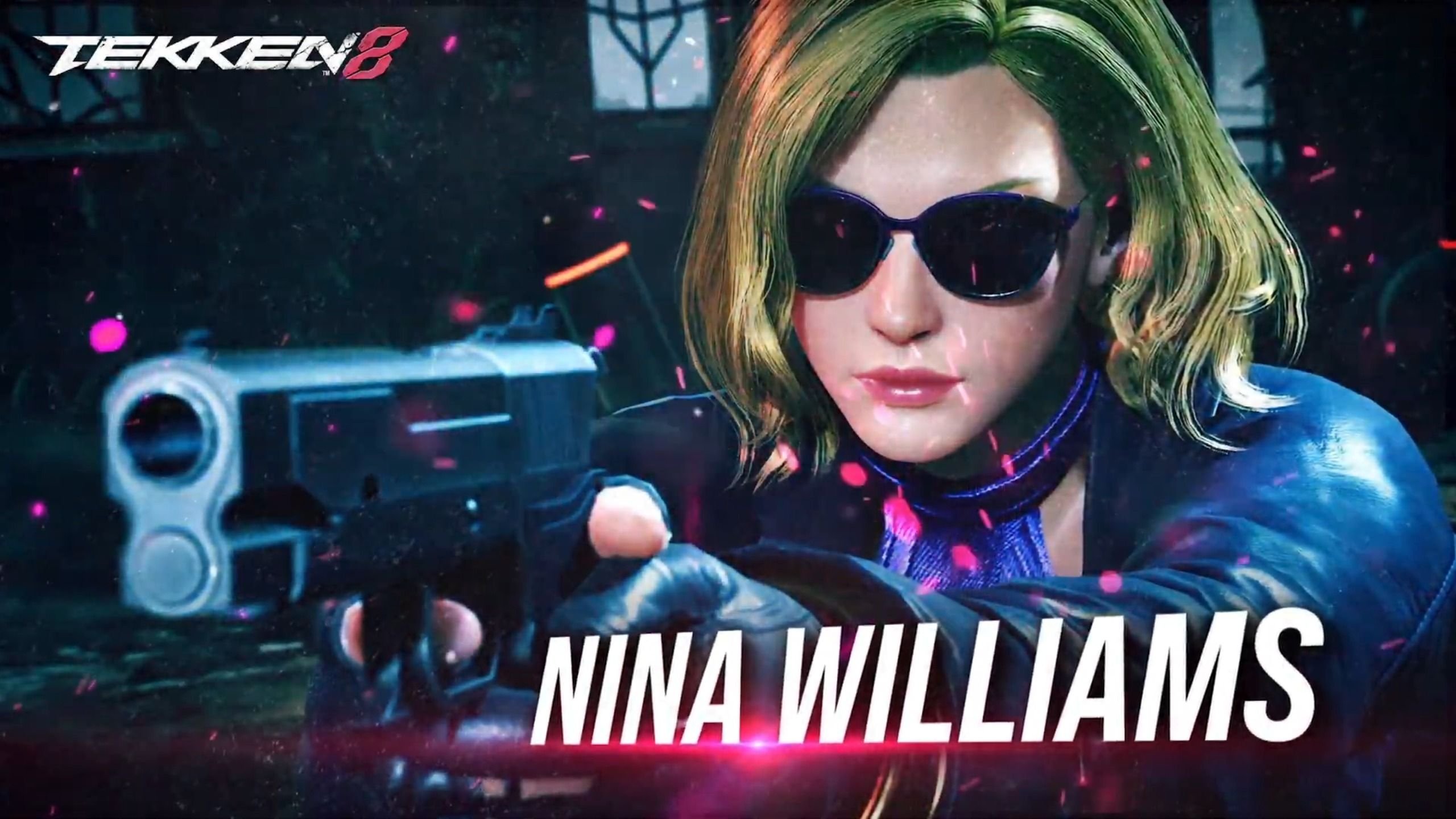
Tekken 8’s gameplay depth comes from its complex movement system, diverse character move sets with unique properties, and a strategic emphasis on spacing and frame data knowledge.
Tekken 8 what is gameplay depth of game? It’s a question many fans are pondering. The newest entry promises a lot, but how intricate is the fighting? It is not only about button mashing but a more strategic play.
Understanding frame data is crucial, also movement is vital. Each character has their unique advantages and disadvantages. The game demands precise timing and adaptation to excel.

Tekken 8 What is Gameplay Depth of Game
Tekken 8 arrives as a powerhouse in the fighting game world, promising not just flashy visuals but a combat system packed with layers upon layers of strategy and nuance. It’s not simply about button mashing; it’s about understanding the mechanics, learning your character, and outsmarting your opponent. This isn’t just about knowing a few cool moves; it’s about diving deep into a world of frame data, mix-ups, and intricate movement options. Let’s take a good look at what makes the gameplay so deep.
The Core Combat System: A Foundation of Complexity
Tekken’s fundamental gameplay loop is built on a four-button control scheme, with each button corresponding to a limb: left punch, right punch, left kick, and right kick. Simple, right? But that’s just the surface. This system allows for an enormous variety of attacks and movements when combined with directional inputs and different timings.
Movement: More Than Just Walking
Movement in Tekken isn’t just about walking left or right. It’s about understanding the 3D arena and how to use it to your advantage.
Sidestepping: This allows players to dodge attacks and create openings. It’s not always a sure thing, as some attacks will track you even if you sidestep, forcing you to be more thoughtful about when and how you do it.
Backdashing: A crucial defensive tool to create space and avoid aggression. However, overusing it can leave you vulnerable to grabs or certain tracking attacks.
Forward Dashes and Runs: These are for closing the distance and applying pressure. Knowing when to use these efficiently is really important.
Crouching: A basic form of defense, but also critical for certain moves and mixups. You can’t stay crouched forever though, because some moves are designed to hit low and force you to stand.
The interplay between these movements adds a new level to combat. You’re not just thinking about what attacks to throw; you also need to consider how your movement will either help you get a hit or keep you safe. It’s this kind of thinking that makes Tekken 8’s gameplay so engrossing.
The Attack System: A Web of Variety
The variety of attacks in Tekken is truly impressive. Every character has a huge list of moves, each with their own properties, range, and damage. It’s not just about learning your character’s moves; it’s also about understanding how their moves interact with the moves of all other characters.
Highs, Mids, and Lows: This classic fighting game structure is key. High attacks can be avoided by crouching, lows are avoided by standing, and mids often need to be blocked while standing. This makes reading your opponent and anticipating their attacks critical.
Punishment: In Tekken, when an opponent whiffs an attack or uses a move that leaves them vulnerable, you can “punish” them. A good punishment is how you gain a great advantage in fights.
Launchers: Certain attacks can “launch” your opponent into the air, allowing for juggles (a series of consecutive attacks while the opponent is airborne). These are some of the flashiest and most powerful tools. Understanding which moves launch, how to follow them up with juggles, and how to defend against launchers is at the heart of competitive play.
Power Crush and Heat Engager: Some attacks have armor properties, meaning they can absorb some incoming hits before connecting themselves, and some powerful moves can “Heat Engage” which can alter your game plan. Knowing when to trade is part of the mental game, since these are both powerful and potentially risky options.
Frame Data: The Hidden Numbers
This is where the gameplay gets very deep. Frame data refers to the number of frames it takes for an attack to start, become active, and recover. This may sound too complicated for a kid, but understanding a little bit about frames can make a big difference when you play.
Startup Frames: How long it takes for a move to come out. A move with few startup frames is faster.
Active Frames: The time during which a move can hit the opponent.
Recovery Frames: The time after an attack hits (or misses) where you can’t block or attack. Moves with lots of recovery are easier to punish.
Learning about frame data can help you know which moves to use in certain situations and how to effectively punish your opponent’s errors. It might seem complicated, but you don’t need to memorize it all; recognizing what moves are faster or slower can take your gameplay up a notch.
Character Complexity: A Wide Variety of Playstyles
Tekken 8’s roster isn’t just a collection of different-looking characters; each one is built with unique moves, strengths, and weaknesses. This creates a huge variety of playstyles, making each match feel distinct.
Character Archetypes: Finding Your Fit
Each character in Tekken 8 can fit in a specific fighting style. Here are some common types that can be found:
Rushdown Characters: These characters excel at pressuring their opponent with fast, close-range attacks. They want to get in your face and not give you any breathing room. Characters like Yoshimitsu or Hwoarang could fall into this category.
Defensive Characters: These characters play a more patient game, focusing on punishing the opponent’s mistakes. Characters like Steve or Feng could be examples of defensive characters.
Grapplers: These characters do heavy damage with command grabs. King or Marduk are classic grapplers.
Mix-up Characters: Characters in this category are designed to keep their opponents guessing with a wide variety of high, mid, and low attacks. These characters make it hard to predict what will happen next. Nina or Xiaoyu might be considered mixup characters.
Each archetype presents a completely unique gameplay strategy. Picking a character means not just learning their moves, but also figuring out how to use their specific strengths and cover their specific weaknesses, all while dealing with your opponent’s style.
Character-Specific Mechanics: Adding Layers
Many characters have special mechanics that make them even more unique.
Stances: Some characters, like Hwoarang, have multiple stances that they can switch between, altering their moveset.
Power-Ups: Characters like Devil Jin can power up into an enhanced state, giving them powerful new attacks or enhancing existing ones.
Unique Movement Options: Some characters, like Xiaoyu, have unique movement abilities that separate them from the rest.
These unique mechanics add another layer of complexity, making each character feel like an entirely new experience.
The Mental Game: Reading Your Opponent
Tekken is not just about knowing the inputs or which moves to use; it’s a game of reading your opponent. It is a test of your ability to anticipate what your opponent will do, and then trying to take advantage of that.
Predicting Attacks
Understanding how your opponent likes to attack can help you predict when they will use a high, mid, or low, enabling you to block or evade effectively.
Recognizing Patterns: You can often see what someone likes to do most and start to anticipate their next move by recognizing their patterns.
Adapting Your Strategy: If your opponent is aware of the pattern, you need to adapt and change up your game plan to stay one step ahead.
Punishing Habits: Learning to punish your opponent’s go to moves is how you can start to win more consistently.
Mind Games: Creating Deception
Feinting: You can “fake” your opponent into thinking you will do one move, and then doing something completely different.
Varying Your Offense: By mixing up your moves and strategies, you can make it harder for your opponent to read your moves.
Psychological Pressure: Just being aggressive can sometimes cause opponents to panic.
This aspect of the game is a constant back-and-forth, which is part of why the game is so addictive. You’re always trying to outsmart your opponent.
Advanced Techniques: Taking Your Game Further
Once you understand the basics, Tekken has a ton of more complicated techniques you can explore.
Korean Backdash
A more efficient way of backdashing that requires some precise inputs.
It’s faster and makes it more difficult for your opponent to catch you.
Wavedashing
A technique where you move forward very quickly with precise inputs.
Helps you get close to your opponent quickly and apply pressure.
Just Frames
Some moves become significantly more powerful if the inputs are done with specific timing.
They usually require a lot of practice to perform correctly.
Learning these techniques can give you a great advantage in matches.
The Learning Curve: A Journey of Improvement
Tekken 8 has a high learning curve, and getting good at it takes time and effort. However, this means the game is incredibly rewarding. Here’s a good summary of what you need to consider when you’re starting out.
The Initial Hurdle: Basic Mechanics
At first, the game can feel difficult as you learn about the move list of your character and the general mechanics of the game. This is where you need to get the movement down and understand the core attack system. You have to be patient.
The Mid-Game: Character Mastery
As you spend more time playing, you’ll get more comfortable with your character, and how they work in the game. You will also start to understand your opponent’s movesets and how to counter them.
The End-Game: Strategy and Adaptation
Eventually, the game becomes more about the mental game, frame data, and utilizing advanced techniques. This is where you’ll be able to quickly change your strategy based on what’s happening.
The process of learning and getting better is a large part of why the game has such deep gameplay. There’s always something new to learn and improve upon, so the game stays fresh even after many hours.
In summary, Tekken 8’s gameplay depth is found in the numerous interconnected systems, variety of characters, and intense mental gameplay. The game is rewarding for those who put in the time and effort to learn the different mechanics, as well as those that enjoy the intense competitive nature of the game. There is always something new to learn or improve upon, so it has an amazing lasting appeal.
Tekken 8 – Before You Buy
Final Thoughts
Tekken 8’s gameplay depth comes from its intricate character movesets and strategic Heat system. The diverse roster allows for varied playstyles, demanding players adapt their strategies. Its mechanics reward both aggressive attacks and defensive maneuvers.
Players will spend considerable time learning matchups and perfecting combos. ‘Tekken 8 what is gameplay depth of game’ is undeniable. This complexity gives the game great replay value.

