
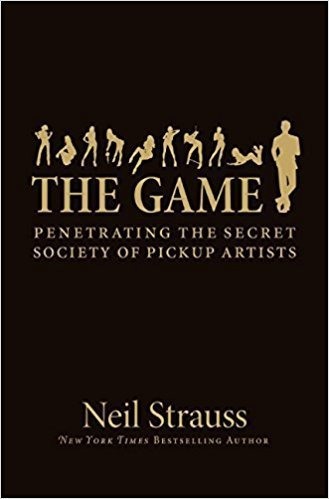
‘The Game’ by Neil Strauss summary centers on Strauss’s journey from a shy, awkward man to a successful pickup artist under the tutelage of Mystery, detailing the techniques, the lifestyle, and the eventual disillusionment with the pickup artist community.
Ever wondered about the inner workings of the pickup artist world? Many people ask about Neil Strauss’s dive into that world. You’ve likely heard whispers about a book that pulls back the curtain: “The Game.”
Well, let’s get straight to it. “The Game Neil Strauss summary” is about understanding the core of his experiences. It’s about the seduction community and its influence.

The Game Neil Strauss Summary
The Game, written by Neil Strauss, is a memoir detailing his experiences in the seduction community. It follows Strauss’s transformation from a socially awkward man into a pickup artist known as Style.
This book caused a sensation when it was released. Many readers were fascinated by the techniques described.
Neil Strauss’s Transformation
Strauss starts the book as a frustrated, unsuccessful dater. He’s introduced to the world of pickup artistry by Mystery, a prominent figure in the seduction community.
Strauss dives headfirst into learning the techniques. He transforms his appearance and adopts a new persona.
He begins experimenting with “negging,” routines, and various psychological tricks. His goal is to attract women.
Key Figures in The Seduction Community
The book introduces readers to several other notable figures. These characters include Mystery, Ross Jeffries, and others who shaped the culture of pickup artistry.
Their different approaches to seduction are showcased. This creates a complex and often controversial portrayal of the community.
The book highlights the competitive nature within the group. Everyone is vying for status and recognition.
The Core Techniques of Pickup Artistry
The Game outlines specific techniques used in pickup artistry. These strategies are intended to attract and seduce women.
One core technique is the use of “openers.” These are pre-scripted lines designed to initiate conversations with women.
Another important aspect is “negging,” which involves giving subtle backhanded compliments. The goal is to lower a woman’s self-esteem.
“Routines” are pre-planned conversations and demonstrations of value. Pickup artists use these to maintain interest and build attraction.
The Project Hollywood Mansion
Strauss and his fellow pickup artists establish a “Project Hollywood” mansion. This becomes a central location for their activities.
Here, they practice their techniques and compete with each other. They also host parties and events to meet women.
The mansion symbolizes the height of their success. It also represents the increasingly bizarre and competitive atmosphere within the community.
The Rise of “Style”
As Strauss becomes more skilled, he adopts the persona of “Style.” This becomes his alter ego within the seduction community.
Style is confident, charismatic, and successful with women. He gains notoriety and respect within the group.
However, Strauss’s reliance on the Style persona also leads to internal conflicts. He struggles to reconcile his true self with his public image.
Ethical Concerns and Controversies
The Game has generated significant controversy. Many criticize the techniques as manipulative and disrespectful.
Critics argue that these tactics exploit women’s insecurities. They promote unhealthy relationship dynamics.
The book raises ethical questions about consent and authenticity in interactions. Some accuse pickup artistry of being inherently predatory.
The Breakdown and Redemption
As the book progresses, Strauss becomes disillusioned with the lifestyle. He experiences emotional burnout and relationship difficulties.
He begins to question the validity of the techniques he’s been using. He starts to realize the emotional toll it takes on himself and others.
Strauss eventually seeks therapy and attempts to move away from the pickup artist persona. This marks a turning point in his journey.
The Aftermath and Lasting Impact
The Game’s publication had a significant impact on popular culture. It brought the seduction community into the mainstream.
The book sparked widespread debate about dating, relationships, and gender dynamics. It continues to be discussed and analyzed today.
Strauss has since distanced himself from many of the views expressed in the book. He has become more critical of the pickup artistry culture.
Key Lessons and Takeaways
Despite its controversial nature, The Game offers some important lessons. These lessons apply to self-improvement and social interactions.
Self-Confidence: The book emphasizes the importance of building self-confidence. This can be valuable in any social situation.
Social Skills: Developing better communication skills is also highlighted. This is crucial for building genuine connections.
Self-Awareness: Understanding one’s own motivations and insecurities is key. This helps in forming healthier relationships.
Diving Deeper into Specific Techniques
Let’s delve into some of the most discussed and controversial techniques presented in “The Game.” Understanding these helps in dissecting the book’s core arguments.
The Art of the Opener
Openers are pre-scripted lines or questions designed to initiate a conversation. They aim to intrigue and engage the target from the outset.
Example: “Excuse me, I need a woman’s opinion on something…” This is a classic opener designed to pique curiosity.
The book provides countless examples of these openers. It also discusses the importance of delivery and confidence.
Understanding Negging
Negging involves giving subtle, backhanded compliments. This aims to lower the target’s self-esteem and make them seek approval.
Example: “That’s an interesting dress; it’s not something everyone can pull off.” This is a classic negging example.
The ethics of negging are highly debated. Many consider it to be a manipulative and disrespectful tactic.
The Power of Routines
Routines are pre-planned conversations or demonstrations designed to showcase value. Pickup artists use these to maintain interest and build attraction.
Example: Performing a magic trick or telling an engaging story. These show off skills and personality.
Routines are meant to be practiced and refined. The goal is to create a seamless and impressive performance.
The Social Dynamics Explained
“The Game” doesn’t just focus on individual techniques. It also explores the complex social dynamics within the seduction community.
The Hierarchy and Competition
The seduction community operates as a hierarchy. Members compete for status and recognition based on their success with women.
This competition can be intense and cutthroat. Members often try to outdo each other with increasingly outrageous stories.
The pursuit of status can lead to unhealthy behaviors. These can include lying, exaggeration, and manipulation.
The Role of Mentors and Disciples
Newcomers to the community often seek out mentors. These mentors guide them and teach them the techniques of pickup artistry.
The relationship between mentor and disciple can be complex. It often involves elements of admiration, competition, and dependence.
Mentors hold significant power within the community. They can influence the careers and reputations of their disciples.
The Influence of Group Dynamics
The seduction community is heavily influenced by group dynamics. Members often reinforce each other’s beliefs and behaviors.
This can create an echo chamber. It reinforces manipulative and disrespectful attitudes towards women.
Group support and validation play a crucial role in maintaining the community’s culture. It becomes difficult for individuals to question or challenge the norms.
Ethical Considerations in Detail
The ethical implications of “The Game” are a major point of discussion. Understanding these issues is crucial for a comprehensive analysis.
Consent and Manipulation
The use of manipulative techniques raises serious questions about consent. Are women truly consenting if they are being influenced by deceptive tactics?
Critics argue that pickup artistry undermines genuine consent. It turns interactions into a game of manipulation and control.
The focus on “tricking” women into attraction raises ethical red flags. This highlights the power imbalance inherent in the approach.
Objectification and Dehumanization
Pickup artistry often objectifies and dehumanizes women. Women are reduced to targets in a game to be won.
This objectification can lead to a lack of empathy and respect. It fosters a culture of disrespect and exploitation.
Treating women as objects rather than individuals is inherently unethical. This contributes to harmful gender stereotypes.
The Impact on Mental Health
The pursuit of success in the seduction community can have a negative impact on mental health. Both for the pickup artists and their targets.
The constant pressure to perform and achieve results can lead to stress and anxiety. This creates a cycle of self-doubt and insecurity.
Targets of manipulative techniques may experience feelings of confusion, violation, and distrust. This can negatively affect their self-esteem.
Strauss’s Personal Journey: A Closer Look
Neil Strauss’s personal journey is central to “The Game.” His transformation and eventual disillusionment are key to understanding the book’s message.
The Initial Motivation
Strauss’s initial motivation for entering the seduction community was rooted in insecurity and loneliness. He sought a way to overcome his social awkwardness and find love.
This vulnerability made him susceptible to the promises of pickup artistry. He believed that mastering these techniques would solve his problems.
His desire for validation and acceptance drove him to embrace the lifestyle wholeheartedly. He was willing to do anything to achieve success.
The Rise and Fall of “Style”
The creation of the “Style” persona allowed Strauss to distance himself from his insecurities. He could embody a confident and charismatic character.
However, this reliance on a persona ultimately proved unsustainable. It created a disconnect between his true self and his public image.
The pressure to maintain the Style persona became exhausting. He began to feel trapped by his own creation.
The Path to Redemption
Strauss’s eventual disillusionment with the seduction community marked a turning point. He realized the emptiness and superficiality of the lifestyle.
He sought therapy and began to confront his underlying insecurities. This helped him to develop a more authentic and genuine approach to relationships.
His journey towards self-acceptance and personal growth is a key message. It’s a cautionary tale about the dangers of seeking validation through manipulative means.
The Game: Different Editions and Versions
While there isn’t a multitude of drastically different editions of “The Game,” some versions may include additional content or commentary. The core narrative remains consistent across publications. However, differences might be found in specific printings or formats.
Here’s a breakdown of potential variations:
Original Hardcover/Paperback
Original Text: Contains the unaltered narrative as initially published.
No Additional Content: Typically lacks extra material like author’s notes or updated reflections.
Anniversary Editions (If Applicable)
New Foreword/Afterword: May include updated perspectives from Neil Strauss reflecting on the book’s impact and his personal growth.
Bonus Content: Possibly contains deleted scenes or excerpts from Strauss’s journals during his time in the seduction community.
E-book Versions
Interactive Features: Some e-book versions may include interactive features, such as embedded videos or links to related content.
Formatting Differences: The formatting can vary slightly depending on the e-reader device or app used.
It’s important to check the specific edition or printing you’re purchasing to determine if it includes any additional content beyond the core narrative.
The Game by Neil Strauss | Free Summary Audiobook
Final Thoughts
The Game Neil Strauss summary: It details Strauss’s immersion in the seduction community, learning techniques from various pickup artists. This journey chronicles his personal evolution and the complex dynamics within this subculture. He must navigate challenges and ethical considerations while pursuing romantic success.
The core narrative explores identity, manipulation, and the search for genuine connection. Strauss ultimately questions the long-term value of these techniques. This prompts reflection on authenticity and relationships.

