
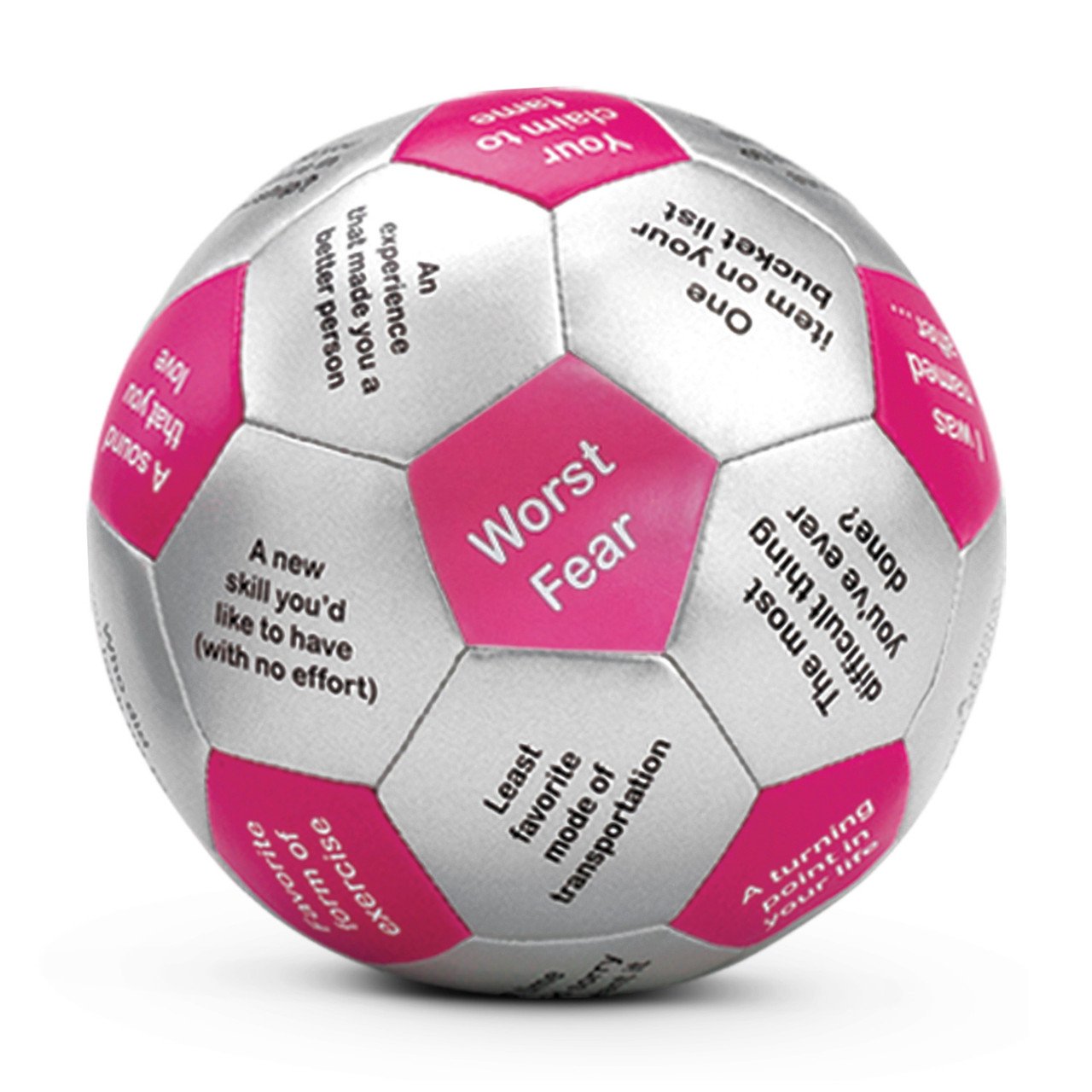
Playing the thumb ball game simply involves flicking a small ball into a designated goal using only your thumb.
Ever heard of thumb ball game? It’s simpler than it sounds! This miniature sport provides surprising fun and requires minimal equipment.
Basically, you need a tiny ball and a goal. Then, using just your thumb, flick the ball to score!
This game is easy to learn and a fun way to pass time. So, gather some friends and start flicking your way to victory!

`
`Thumb Ball Game: A Nostalgic Dive into the Miniature Sport`
`
Thumb ball, a captivating and quirky pastime, has entertained countless individuals across generations. This miniature sport offers a unique blend of dexterity, strategy, and lighthearted fun.
The game’s appeal lies in its simplicity and accessibility. All that’s needed are your thumbs and a playing surface!
`
`What is Thumb Ball?`
`
Thumb ball is a two-player game where participants use their thumbs to flick a small ball, typically a marble or a small bead, across a designated playing field. The objective? Score by landing the ball in the opponent’s goal.
Think of it as a tabletop version of soccer or hockey, but with thumbs as the primary means of propulsion. It demands precision, focus, and a surprising amount of tactical thinking.
`
`The Origins of Thumb Ball`
`
The precise origins of thumb ball are shrouded in mystery. Like many informal games, it likely emerged organically from children’s play.
Its simplicity makes it difficult to trace its exact beginnings. Some believe it originated in schools or summer camps, where children sought engaging activities using readily available resources.
While a definitive historical account remains elusive, thumb ball’s widespread popularity suggests a long and playful history.
`
`Essential Thumb Ball Equipment`
`
The beauty of thumb ball is its minimal equipment requirement. This makes it incredibly easy to set up and play almost anywhere.
Here are the essentials:
The Ball: A small, round object, like a marble, bead, or even a small ball bearing, serves as the “ball”. It needs to be easily flicked by a thumb.
The Playing Surface: Any flat surface can be transformed into a thumb ball arena. Tables, desks, floors, or even a designated piece of cardboard can work.
Goals: The goals can be anything from small containers to simply marked areas on the playing surface. Creativity is key!
Optional Markings: Lines drawn on the playing surface can delineate boundaries or create zones.
`
`Thumb Ball Rules: Setting the Stage`
`
While variations abound, some core rules generally govern thumb ball gameplay. Agreeing on the rules beforehand ensures a fair and enjoyable match.
Here are the fundamental guidelines:
Starting Play: A coin toss or similar method determines who gets the first flick.
Taking Turns: Players alternate flicking the ball.
The Flick: The ball must be propelled solely by a flick of the thumb. No pushing or rolling is allowed.
Out of Bounds: If the ball goes out of bounds, it is placed back into play at the point where it exited, often with the opposing player gaining possession.
Scoring: A goal is scored when the ball completely crosses the goal line and enters the goal.
Winning: The game is won when a player reaches a predetermined number of goals.
`
`Thumb Ball Strategies and Techniques`
`
Mastering thumb ball involves more than just flicking a ball. Strategic thinking and refined techniques can significantly improve your game.
Consider these strategies:
Precision Flicking: Practice flicking the ball accurately. Aim for specific spots on the playing surface.
Angle Control: Learn to control the angle of your flicks to maneuver the ball strategically.
Defensive Positioning: Position your thumb to block your opponent’s shots and protect your goal.
Power Control: Vary the force of your flicks to control the ball’s speed and trajectory.
Anticipation: Predict your opponent’s moves and adjust your strategy accordingly.
`
`Variations of Thumb Ball`
`
Thumb ball’s inherent flexibility allows for numerous variations. These variations can add layers of complexity and excitement to the game.
Here are some popular variations:
Obstacle Course Thumb Ball: Introduce obstacles on the playing surface to make the game more challenging.
Team Thumb Ball: Play with teams of two or more players.
Timed Thumb Ball: Set a time limit for the game. The player with the most goals at the end of the time wins.
“King of the Hill” Thumb Ball: Create a designated zone on the playing surface. The goal is to keep the ball within the zone for a specific amount of time while preventing your opponent from doing the same.
Thumb Ball Golf: Designate specific “holes” on the playing surface and try to get the ball into each hole in the fewest number of flicks.
`
`Creating Your Own Thumb Ball Arena`
`
Designing your own thumb ball arena is a fun and creative way to personalize the game. Consider these factors when creating your playing surface:
Size and Shape: Determine the dimensions of your playing surface based on the available space and the desired level of challenge.
Material: Choose a material that provides a smooth and consistent surface for the ball to roll on.
Goal Design: Get creative with your goal designs. Use small containers, cardboard boxes, or even create goals using modeling clay.
Obstacles: Incorporate obstacles to add complexity and challenge. Use small objects like pencils, erasers, or even building blocks.
Markings: Use tape or markers to delineate boundaries, zones, or other features on the playing surface.
`
`Thumb Ball Tournaments: Taking the Game to the Next Level`
`
Organizing a thumb ball tournament can add a competitive edge to the game. It’s a great way to bring friends and family together for some lighthearted competition.
Here’s how to organize a successful thumb ball tournament:
Set the Rules: Establish a clear set of rules that all participants must follow.
Determine the Format: Decide on the tournament format, such as single-elimination, double-elimination, or round-robin.
Create a Schedule: Develop a schedule that outlines the order of the matches and the time allotted for each match.
Provide Prizes: Offer prizes for the winners to incentivize participation.
Promote the Tournament: Spread the word about the tournament to attract participants.
`
`The Enduring Appeal of Thumb Ball`
`
Thumb ball has remained a popular pastime for several reasons. Its simplicity, accessibility, and adaptability make it appealing to people of all ages.
The game’s minimal equipment requirements and easy-to-learn rules make it accessible to anyone. Its inherent flexibility allows for endless variations, keeping the game fresh and engaging.
Ultimately, thumb ball offers a fun and engaging way to connect with others and enjoy some lighthearted competition.
`
`Thumb Ball and Fine Motor Skills`
`
Beyond the fun and games, thumb ball offers some unexpected benefits. Playing thumb ball can help improve fine motor skills and hand-eye coordination.
The precise movements required to flick the ball accurately can strengthen the muscles in the hands and fingers. This can be particularly beneficial for children who are developing their fine motor skills.
The game also requires hand-eye coordination, as players must track the ball’s movement and adjust their flicks accordingly.
`
`Thumb Ball as a Stress Reliever`
`
In today’s fast-paced world, finding effective ways to relieve stress is crucial. Thumb ball can be a surprisingly effective stress reliever.
The game’s simplicity and focus on the present moment can help to quiet the mind and reduce anxiety. The act of flicking the ball and focusing on the game can be a form of mindful meditation.
The social interaction and laughter that often accompany thumb ball games can also help to boost mood and reduce stress.
`
`Different Thumb Ball Ball Materials: A Comparison`
`
The material of the thumb ball significantly affects gameplay. Each material offers different levels of grip, weight, and bounce, influencing precision and strategy.
Here’s a comparison of common thumb ball ball materials:
Marble:
Pros: Smooth Surface: Marbles glide easily, allowing for long, controlled flicks.
Cons: Lack of Grip: The smooth surface can make it difficult to control the ball’s direction precisely.
Durability: Marbles are generally durable and can withstand repeated use.
Bead:
Pros: Variety: Beads come in various materials and sizes, allowing for customization.
Cons: Inconsistency: The varying textures and weights of beads can make it difficult to predict their trajectory.
Availability: Beads are readily available at craft stores.
Ball Bearing:
Pros: Weight and Momentum: Ball bearings have a good weight to size ratio which provides momentum during flicks.
Cons: Hard Surface: The metallic material can cause damage to the playing surface if not careful.
Safety Concerns: Due to the size and material, this ball is not recommended for children under supervision.
`
`Advanced Thumb Ball Techniques`
`
For seasoned thumb ball players, mastering advanced techniques can elevate their game to the next level. These techniques require practice and precision.
The Curve Shot: By applying a slight sideways flick, you can impart spin on the ball, causing it to curve in the air. This can be used to navigate around obstacles or to surprise your opponent.
The Backspin Flick: Flick the ball with a slight upward motion to create backspin. This can help to slow the ball down and make it easier to control.
The Power Flick: Generate more force by using your entire thumb and wrist to flick the ball. This can be used to make long-distance shots or to clear the ball out of danger.
`
`Integrating Thumb Ball into Educational Activities`
`
Thumb ball can be surprisingly useful in educational settings. Its engaging nature can make learning more fun and interactive.
Here are some ways to integrate thumb ball into educational activities:
Math: Use thumb ball to teach concepts like angles, trajectories, and probability. Calculate the angles needed to make a shot or the probability of the ball landing in a specific zone.
Science: Explore the physics of motion and friction using thumb ball. Experiment with different ball materials and playing surfaces to observe how they affect the ball’s movement.
History: Research the history of games and sports, including thumb ball. Discuss the cultural significance of games and their role in society.
Teamwork: Use team thumb ball to promote teamwork and collaboration. Encourage students to work together to develop strategies and coordinate their movements.
`
`Thumb Ball Safety Considerations`
`
While thumb ball is generally a safe game, it’s important to take certain precautions to prevent injuries.
Here are some safety considerations:
Choose the Right Ball: Avoid using balls that are too small or too heavy, as they can be a choking hazard or cause injuries.
Supervise Children: Always supervise children when they are playing thumb ball.
Clear the Playing Area: Ensure that the playing area is free of obstacles and hazards.
Use a Soft Playing Surface: Consider using a soft playing surface to cushion falls.
Take Breaks: Encourage players to take breaks to avoid fatigue and repetitive strain injuries.
`
`Modern Adaptations of Thumb Ball`
`
In the digital age, thumb ball has found new life through various online and mobile adaptations. These adaptations allow players to enjoy the game anytime, anywhere.
While the tactile experience of flicking a physical ball is lost, these digital versions offer unique features and challenges.
Many online thumb ball games incorporate virtual obstacles, power-ups, and multiplayer modes. Some even allow players to customize their thumb ball arenas and create their own rules.
`
`Thumb Ball: A Game for All Ages and Abilities`
`
One of the most remarkable aspects of thumb ball is its inclusivity. It’s a game that can be enjoyed by people of all ages and abilities.
The rules can be easily adapted to accommodate different skill levels. Players with limited mobility can participate by modifying their flicking techniques or using assistive devices.
Thumb ball’s simplicity and adaptability make it a truly universal game. It transcends cultural boundaries and brings people together through shared fun and laughter.
`
`The Future of Thumb Ball`
`
While thumb ball may not be a mainstream sport, its enduring appeal suggests a bright future. The game’s simplicity, accessibility, and adaptability make it well-suited for the modern world.
As people increasingly seek ways to disconnect from technology and engage in face-to-face interactions, thumb ball offers a refreshing alternative. Its ability to foster creativity, improve fine motor skills, and promote social interaction makes it a valuable activity for people of all ages.
Whether played on a tabletop, in a classroom, or online, thumb ball is sure to continue entertaining and engaging players for generations to come.
Mindful Thumb Ball Game
Final Thoughts
Thumb ball game is a fantastic and simple pastime. It provides quick entertainment for everyone. You can play it almost anywhere.
This game needs only your hands and some imagination. The rules are easy to learn and adapt. This makes it accessible to people of all ages.
So, grab a friend and your thumbs for some friendly competition. Thumb ball game provides a quick and fun way to spend time. it is a must have for all game lovers.

