
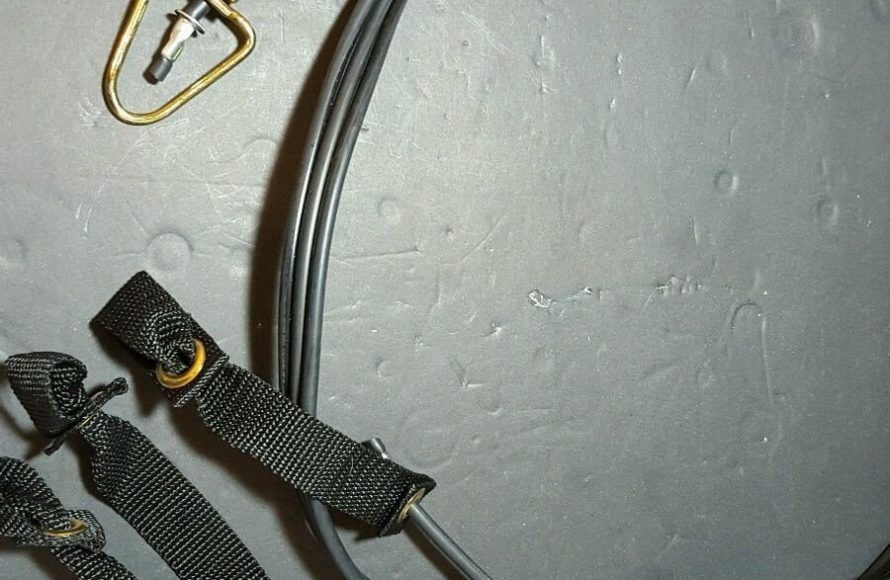
Tie cords for game roosters are typically strong, durable materials like nylon or specialized braided cord used to restrain the bird’s movement during training or conditioning, preventing injury and allowing focused exercise.
Choosing the right equipment for your gamefowl is crucial, and that includes understanding the purpose of specific tools. Ever wonder about those ropes you see being used? We’re talking about tie cords for game roosters and how they help in a rooster’s training regimen.
These aren’t just any pieces of string. These tie cords for game roosters play a vital role in controlling the rooster’s movement, ensuring they get the exercise they need without getting hurt. Let’s dive into the essentials.

Tie Cords for Game Roosters
Tie cords are an essential tool for game fowl breeders and enthusiasts. They play a vital role in training, conditioning, and overall management.
Choosing the right tie cord is crucial for the safety and well-being of your birds. This decision impacts their comfort and performance.
Importance of Quality Tie Cords
A high-quality tie cord is more than just a rope. It represents a commitment to responsible game fowl management.
It is durable, safe, and designed to withstand the rigors of training. Poor quality can lead to injuries or escapes.
Materials Used in Tie Cords
Tie cords are often made from a variety of materials, each with its own advantages and disadvantages. Understanding these materials is key to making the right choice.
Common materials include nylon, polyester, and natural fibers like cotton or hemp. The choice depends on the intended use and the breeder’s preference.
Nylon Tie Cords
Nylon is a synthetic material known for its strength and durability. It’s resistant to abrasion and weathering, making it a popular choice.
Nylon tie cords can withstand significant pulling force. They also resist rot and mildew.
Polyester Tie Cords
Polyester is another synthetic option that is similar to nylon but often more resistant to stretching. It offers good strength and durability.
Polyester resists UV damage better than some other materials. This helps them last longer in outdoor conditions.
Natural Fiber Tie Cords
Natural fibers like cotton and hemp are more environmentally friendly options. They offer a softer feel and are less likely to cause chafing.
However, natural fibers are generally less durable than synthetic materials. They are also more susceptible to rot and mildew if not properly cared for.
Different Types of Tie Cords
The market offers a wide variety of tie cords designed for different purposes. Some are designed for training, while others are better suited for holding birds in place.
Understanding the differences between these types is important for selecting the right one. This also helps make sure that it meets your needs.
Training Tie Cords
Training tie cords are typically longer and more flexible. They allow the bird to move around more freely during training exercises.
These cords often incorporate features like swivels to prevent tangling. The freedom of movement promotes agility.
Holding Tie Cords
Holding tie cords are shorter and more rigid. They are designed to keep the bird securely in place.
These cords are often used when grooming, transporting, or temporarily restraining a bird. Security and safety are the key benefits.
Braided vs. Twisted Tie Cords
Tie cords can be either braided or twisted. Braided cords tend to be stronger and more resistant to abrasion.
Twisted cords are often more economical. However, they may be more prone to unraveling.
Choosing the Right Tie Cord Length
The length of the tie cord is an important consideration. It will affect the bird’s freedom of movement.
The ideal length depends on the size of the bird and the intended use of the cord. Consider space constraints.
Short Tie Cords
Short tie cords, typically under 3 feet, are ideal for securing birds in confined spaces. They limit movement and prevent escapes.
These cords are often used in transport carriers or during grooming. They prioritize safety.
Medium Tie Cords
Medium tie cords, ranging from 3 to 6 feet, provide a balance between security and freedom of movement. They are suitable for general training purposes.
These cords allow the bird to move around while still maintaining control. They are versatile.
Long Tie Cords
Long tie cords, exceeding 6 feet, offer the most freedom of movement. They are often used for specialized training exercises.
However, long cords require careful supervision to prevent tangling or injuries. They maximize agility.
Tie Cord Thickness and Strength
The thickness and strength of the tie cord must be appropriate for the size and strength of the bird. A cord that is too thin may break, while a cord that is too thick may be cumbersome.
Always err on the side of caution when selecting tie cord thickness. A stronger cord is always safer.
Thin Tie Cords
Thin tie cords are suitable for smaller birds or for situations where minimal restraint is required. Check weight limits.
These cords are typically less expensive but also less durable. They are suitable for controlled environments.
Medium Tie Cords
Medium tie cords are a good general-purpose option. They are strong enough to restrain most game fowl while remaining lightweight.
These cords offer a good balance of strength and flexibility. They are generally preferred.
Thick Tie Cords
Thick tie cords are designed for larger, more powerful birds. They provide maximum security and durability.
These cords are more expensive and can be heavier. However, they offer peace of mind.
Hardware Considerations for Tie Cords
The hardware attached to a tie cord, such as clips and swivels, is just as important as the cord itself. Low-quality hardware can fail, leading to escapes or injuries.
Invest in high-quality hardware that is designed for use with animals. This will give you better reliability.
Clips
Clips are used to attach the tie cord to the bird’s leg or to a fixed object. They should be strong, secure, and easy to use.
Look for clips made from stainless steel or other rust-resistant materials. Quick release designs are useful.
Swivels
Swivels prevent the tie cord from tangling. They are especially important for training cords.
Swivels should rotate freely and smoothly. High-quality swivels will improve the experience.
Proper Tie Cord Attachment Techniques
Proper attachment is crucial for the safety and comfort of the bird. Improper attachment can cause chafing, irritation, or even injury.
Always use a figure-eight knot or other secure knot to attach the cord to the bird’s leg. Avoid tying the cord too tightly.
Using a Figure-Eight Knot
The figure-eight knot is a reliable and secure knot for attaching tie cords. It is easy to tie and untie.
This knot distributes pressure evenly, minimizing the risk of chafing. It is a preferred method.
Avoiding Over-Tightening
Over-tightening the tie cord can restrict circulation and cause discomfort. Always leave enough slack to allow the bird to move comfortably.
Regularly check the cord for signs of wear or irritation. Adjust as needed.
Maintaining Your Tie Cords
Proper maintenance will extend the life of your tie cords and ensure that they remain safe to use. Clean and inspect your cords regularly.
Replace any cords that show signs of wear or damage. Don’t risk using damaged equipment.
Cleaning Tie Cords
Clean tie cords with mild soap and water. Avoid harsh chemicals that can damage the material.
Allow the cords to air dry completely before storing them. This prevents mildew.
Inspecting Tie Cords
Inspect tie cords regularly for signs of fraying, wear, or damage. Pay close attention to the attachment points.
Replace any cords that are damaged or worn. Safety is paramount.
Safety Precautions When Using Tie Cords
Always supervise birds that are tied. Never leave them unattended for extended periods.
Be aware of potential hazards in the environment, such as sharp objects or other animals. Ensure a safe environment.
Supervision is Key
Supervision is essential when using tie cords. This allows you to monitor the bird’s behavior and prevent accidents.
Never leave a tied bird unattended for more than a few minutes. Constant observation is important.
Environmental Hazards
Be aware of potential hazards in the environment, such as sharp objects, other animals, or extreme temperatures. Avoid risky situations.
Choose a safe and secure location for tying your birds. Prioritize their well-being.
Tie Cords and Animal Welfare
Tie cords should be used responsibly and ethically. Prioritize the bird’s welfare at all times.
Never use tie cords to punish or abuse a bird. Use them only for training and management purposes.
Ethical Considerations
Ethical considerations are paramount when using tie cords. Treat your birds with respect and compassion.
Ensure that they have access to food, water, and shelter while tied. Avoid causing unnecessary stress.
Responsible Use
Use tie cords responsibly and only when necessary. Avoid using them for prolonged periods.
Give birds regular breaks from being tied. Allow them to move freely and socialize.
Where to Purchase Tie Cords
Tie cords can be purchased from a variety of sources, including online retailers, pet stores, and farm supply stores. Choose a reputable vendor.
Consider factors such as price, quality, and selection when choosing a supplier. Look for good reviews.
Online Retailers
Online retailers offer a wide selection of tie cords at competitive prices. Read reviews before buying.
Many online retailers offer free shipping and easy returns. This provides convenience.
Pet Stores
Pet stores typically carry a limited selection of tie cords. They can be a good option for purchasing basic supplies.
Pet store staff can offer advice and assistance. This is useful for beginners.
Farm Supply Stores
Farm supply stores often carry a wide range of tie cords and other animal management supplies. Their specialty can be beneficial.
These stores typically cater to farmers and breeders. They offer bulk discounts.
Customizing Your Tie Cords
Some breeders choose to customize their tie cords to better suit their needs. This can involve adding custom hardware, adjusting the length, or choosing a specific color.
Customization allows you to create a tie cord that is perfectly tailored to your birds. This ensures efficiency.
Adding Custom Hardware
Custom hardware can improve the functionality and durability of your tie cords. Swivels, clips, and rings can be upgraded.
Choose hardware that is made from high-quality materials. Stainless steel is a great option.
Adjusting the Length
Adjusting the length of the tie cord can optimize it for specific training exercises or management tasks. Consider the bird’s needs.
Experiment with different lengths to find what works best for you. Short, medium, and long options exist.
Choosing a Specific Color
Choosing a specific color can help you identify your birds or coordinate your training equipment. Visual cues can be helpful.
Select colors that are easy to see and that won’t fade over time. Bright colors are recommended.
Troubleshooting Common Tie Cord Problems
Even with the best tie cords and proper techniques, problems can still arise. Common issues include tangling, fraying, and breakage.
Knowing how to troubleshoot these problems can save you time and money. Preparation is key.
Tackling Tangling
Tangling is a common problem, especially with long tie cords. Use swivels to prevent tangling.
Regularly check the cord for knots and kinks. Untangle them promptly to prevent further problems.
Addressing Fraying
Fraying can weaken the tie cord and increase the risk of breakage. Inspect the cord regularly for signs of fraying.
Trim frayed ends with scissors or a lighter to prevent further unraveling. Replace the cord if fraying is severe.
Preventing Breakage
Breakage is a serious problem that can lead to escapes or injuries. Use tie cords that are strong enough for the size and strength of your birds.
Inspect the cords regularly for signs of wear or damage. Replace them as needed.
Innovations in Tie Cord Design
The design of tie cords is constantly evolving. New materials, hardware, and techniques are being developed to improve their performance and safety.
Staying up-to-date on the latest innovations can help you make informed decisions about your equipment. Knowledge is power.
New Materials
New synthetic materials are constantly being developed that offer improved strength, durability, and weather resistance. Explore new options.
These materials can significantly extend the life of your tie cords. They are often worth the investment.
Improved Hardware
Hardware manufacturers are constantly innovating to create safer, more reliable, and more user-friendly clips and swivels. Take advantage of them.
Look for hardware that is made from stainless steel or other corrosion-resistant materials. Functionality is important.
Advanced Techniques
Advanced braiding and weaving techniques can improve the strength and flexibility of tie cords. Research your options.
These techniques can also reduce the risk of fraying and tangling. Efficiency helps.
Legal Considerations Regarding Tie Cords
In some jurisdictions, there may be legal restrictions on the use of tie cords for game fowl. Be sure to check your local laws and regulations.
Compliance with all applicable laws is essential for responsible game fowl management. Stay informed.
Local Laws and Regulations
Local laws and regulations may dictate the types of tie cords that are allowed, the length of time that birds can be tied, and other related matters. Follow the rules.
Contact your local animal control agency for more information. Compliance prevents legal issues.
Ethical Considerations
Ethical considerations should always guide your use of tie cords, regardless of legal requirements. Treat your birds with respect.
Prioritize their welfare and avoid causing unnecessary suffering. Ethics matter.
GAMEFOWL TIE CORDS HOW TO MAKE YOUR OWN
Final Thoughts
Ultimately, selecting durable and safe tie cords for game roosters is crucial. These cords must provide secure restraint during handling and training.
They must prevent escapes and minimize injury risk to both the bird and handler. Investing in quality tie cords demonstrates a commitment to responsible gamefowl management.
Choosing the right materials and construction ensures longevity and reliability. This is important for the safety and welfare of your birds.
Careful selection and proper use of tie cords for game roosters directly contribute to successful training and overall bird health.

