
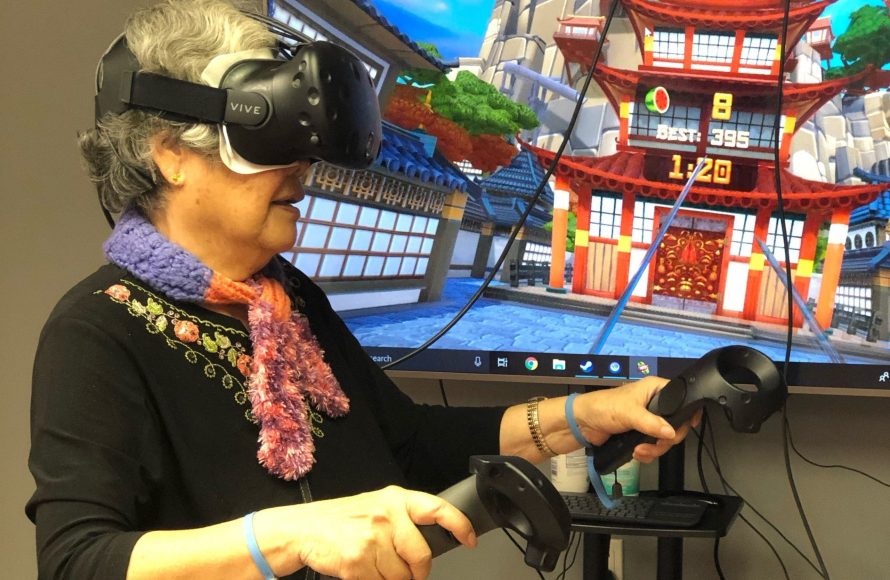
VR games for seniors offer engaging experiences, promoting cognitive and physical activity while providing enjoyable social interaction and reducing feelings of isolation.
Are you looking for ways to stay active and engaged in later life? VR games for seniors might be the perfect solution. They offer a fun way to exercise both mind and body.
These games provide gentle physical stimulation and keep your mind sharp. Plus, many offer opportunities to connect with others, combatting loneliness.
Whether it’s exploring virtual worlds or solving puzzles, VR games for seniors present exciting new avenues for entertainment and well-being.

VR Games for Seniors: A New World of Engagement
VR, or virtual reality, is no longer just for gamers. It provides new opportunities for seniors to engage in stimulating and enjoyable activities. It can benefit both physical and cognitive well-being.
Benefits of VR for Seniors
VR offers a range of benefits for older adults. These advantages extend beyond entertainment.
Physical Benefits
VR games often require movement. This promotes gentle exercise.
Improved Balance: Some VR experiences help improve balance and coordination. This reduces the risk of falls.
Increased Mobility: Games can encourage users to reach, stretch, and move their bodies. This helps maintain and improve mobility.
Pain Management: VR can distract from pain. This makes it a helpful tool in pain management.
Cognitive Benefits
VR is mentally stimulating. This provides several cognitive advantages.
Memory Enhancement: Some VR games require remembering routes or solving puzzles. This aids in memory improvement.
Cognitive Stimulation: VR can stimulate the brain. This helps maintain cognitive function.
Reduced Social Isolation: VR provides opportunities for social interaction in a virtual environment. This can combat loneliness.
Emotional Benefits
VR can have a positive impact on emotional well-being. It offers unique opportunities for experience.
Reduced Anxiety: Immersive VR experiences can reduce anxiety and stress. This offers a calming escape.
Improved Mood: Engaging in fun VR activities can improve mood and overall well-being. It can create a sense of joy and accomplishment.
New Experiences: VR can provide access to experiences that might be otherwise impossible. This includes travel or trying new activities.
Choosing the Right VR Headset
Selecting the right VR headset is crucial for senior users. Comfort and ease of use are key factors.
Key Considerations
Several factors should be considered when choosing a VR headset. This will make it a suitable choice for seniors.
Weight and Comfort: A lightweight headset is important. A comfortable fit is also necessary for extended use.
Ease of Use: The setup process should be simple. The interface should be intuitive for seniors.
Adjustability: Adjustable straps and lenses are important. These will accommodate different head sizes and vision needs.
Motion Sickness: Look for headsets with features that minimize motion sickness. Higher refresh rates often help.
Recommended VR Headsets for Seniors
Several VR headsets are known for their user-friendliness. These are often recommended for seniors.
Meta Quest 2: Known for its ease of use and wireless design. It offers a wide range of experiences.
HTC Vive Focus 3: Offers high-resolution graphics and comfortable ergonomics. This is a more premium option.
PlayStation VR2: Easy to set up with a PlayStation 5. Provides immersive experiences.
Popular VR Games and Experiences for Seniors
Many VR games and experiences are well-suited for seniors. These offer gentle stimulation and enjoyment.
Relaxation and Meditation
These VR experiences can help reduce stress and promote relaxation. They provide a calming escape.
Guided Meditation VR: Offers guided meditation sessions in calming virtual environments. This promotes mindfulness.
Nature Treks VR: Allows users to explore beautiful natural landscapes. This offers a peaceful and immersive experience.
TRIPP: Combines visuals, sound, and interactions to enhance mindfulness and relaxation. It is designed to improve well-being.
Travel and Exploration
VR can transport seniors to different parts of the world. This provides armchair travel experiences.
Google Earth VR: Allows users to explore the world from above. Users can visit famous landmarks and explore familiar places.
Wander: Offers curated virtual tours of various locations. Users can experience different cultures and environments.
National Geographic Explore VR: Provides immersive explorations of natural wonders. This offers educational and engaging content.
Creative Activities
VR can provide creative outlets for seniors. It encourages artistic expression.
Tilt Brush: Allows users to paint in 3D space. It offers a unique creative experience.
SculptrVR: Lets users sculpt and build virtual objects. This offers a fun and engaging creative outlet.
Vermillion: Simulates the experience of painting on a canvas. Users can create realistic paintings in VR.
Games for Fun and Exercise
VR games can provide gentle exercise and entertainment. These offer both physical and mental stimulation.
Beat Saber: A rhythm game where players slash blocks with lightsabers. It provides a fun and engaging workout.
Walkabout Mini Golf VR: A relaxing and enjoyable mini-golf game. It offers a social and interactive experience.
Real VR Fishing: Simulates the experience of fishing in different locations. It provides a calming and immersive activity.
Safety Considerations for Seniors Using VR
Safety is paramount when seniors use VR. It’s important to consider the following precautions.
Preventing Falls
Falls are a significant concern for older adults. Take steps to minimize this risk during VR use.
Clear the Play Area: Remove any obstacles from the play area. Ensure a safe and clutter-free environment.
Use a Seated Position: Consider using VR while seated. This reduces the risk of falls.
Supervision: Have someone nearby to assist if needed. This ensures prompt help if necessary.
Minimizing Motion Sickness
Motion sickness can be a common issue with VR. Several strategies can help minimize this.
Start Slowly: Begin with short VR sessions. Gradually increase the duration as tolerance improves.
Choose Comfortable Settings: Adjust VR settings to minimize motion. This can include reducing camera movements.
Take Breaks: Take frequent breaks during VR use. This helps reduce eye strain and motion sickness.
Addressing Eye Strain
Prolonged VR use can cause eye strain. Follow these guidelines.
Adjust IPD: Adjust the interpupillary distance (IPD) setting on the headset. This ensures a clear and comfortable image.
Take Regular Breaks: Follow the 20-20-20 rule. Every 20 minutes, look at something 20 feet away for 20 seconds.
Use Eye Drops: Use lubricating eye drops to prevent dry eyes. This can alleviate discomfort.
Getting Started with VR: A Step-by-Step Guide for Seniors
Starting with VR can seem daunting, but it can be easy. This guide makes it simple.
Step 1: Choose the Right VR Headset
Select a headset that meets your needs and preferences. Consider comfort, ease of use, and features.
Step 2: Set Up the VR System
Follow the manufacturer’s instructions for setting up the VR system. Ensure all cables are connected properly.
Step 3: Adjust the Headset for Comfort
Adjust the straps and lenses for a comfortable fit. Make sure the image is clear and focused.
Step 4: Start with Simple Experiences
Begin with simple and relaxing VR experiences. These will help you get accustomed to VR.
Step 5: Gradually Explore More Complex Games
Once comfortable, explore more complex VR games and activities. Slowly introduce new experiences.
VR Technology Enhancements for Seniors
VR technology is constantly evolving. This offers improvements specifically beneficial to seniors.
Adaptive VR Experiences
VR experiences can be tailored to individual needs. This provides more personalized experience.
Adjustable Difficulty Levels: Games can adjust difficulty based on performance. This offers a customized challenge.
Customizable Interfaces: Interfaces can be customized for better visibility. This simplifies navigation.
Personalized Content Recommendations: VR platforms can recommend content based on preferences. This ensures engaging experiences.
Haptic Feedback Enhancements
Haptic feedback adds another layer of immersion. This enhances the overall VR experience.
Realistic Sensations: Haptic devices can simulate the feeling of touch. This makes VR more realistic.
Improved Interaction: Haptic feedback can improve interaction with virtual objects. This offers a more engaging experience.
Enhanced Immersion: Haptic feedback enhances the sense of presence in VR. This creates a more immersive environment.
Accessibility Features
VR platforms are incorporating accessibility features. This makes VR more inclusive for seniors.
Voice Control: Allows users to control VR with voice commands. This eliminates the need for controllers.
Subtitles and Captions: Provides text-based information for improved understanding. This benefits individuals with hearing impairments.
Adjustable Font Sizes: Allows users to adjust font sizes for better readability. This improves usability.
The Future of VR for Seniors
The future of VR for seniors looks promising. VR technology is becoming more accessible.
Telehealth and Remote Therapy
VR is being used for telehealth and remote therapy. This allows seniors to access healthcare from home.
Remote Consultations: VR can facilitate remote consultations with healthcare providers. This reduces the need for travel.
Virtual Rehabilitation: VR can be used for virtual rehabilitation exercises. This improves recovery outcomes.
Mental Health Support: VR can provide access to virtual support groups and therapy sessions. This offers mental health benefits.
Social Connection and Community Building
VR can foster social connection and community building. This combats social isolation.
Virtual Social Events: VR can host virtual social events and gatherings. This allows seniors to connect with others.
Shared VR Experiences: VR can facilitate shared experiences with family and friends. This strengthens relationships.
Virtual Communities: VR can create virtual communities for seniors. This offers a sense of belonging.
Continued Research and Development
Ongoing research and development will further enhance VR experiences. This will cater specifically to seniors’ needs.
Improved Hardware: Hardware will become more lightweight and comfortable. This improves usability.
More Engaging Content: More VR games and experiences will be designed for seniors. This offers broader entertainment options.
Personalized VR Therapies: VR therapies will be personalized based on individual needs. This optimizes therapeutic outcomes.
Case Studies: How VR is Helping Seniors
Real-world examples demonstrate the benefits of VR for seniors. These case studies highlight the positive impact.
Case Study 1: Improving Cognitive Function
A study showed VR games improved cognitive function in seniors with mild cognitive impairment. Participants experienced enhanced memory and attention. The VR experiences stimulated their brains.
Case Study 2: Reducing Social Isolation
VR-based social activities helped reduce social isolation among nursing home residents. They felt more connected and engaged. This improved their overall well-being.
Case Study 3: Enhancing Physical Rehabilitation
VR therapy improved physical rehabilitation outcomes for seniors recovering from stroke. They regained mobility and coordination more quickly. The VR games motivated them to exercise.
Overcoming Challenges and Concerns
Addressing challenges is important for successful VR adoption among seniors. Practical solutions can help seniors engage.
Technical Difficulties
Seniors may face technical difficulties with VR. Simple solutions can address these issues.
Simplified Setup: Use VR systems with easy setup processes. This reduces initial frustration.
Technical Support: Provide access to technical support and tutorials. This helps seniors troubleshoot problems.
Training Sessions: Offer training sessions to teach seniors how to use VR. This builds confidence and skill.
Cost Considerations
The cost of VR equipment can be a barrier. Explore affordable options.
Entry-Level Headsets: Consider affordable entry-level VR headsets. These provide a cost-effective entry point.
Subsidized Programs: Look for subsidized VR programs for seniors. These can reduce the financial burden.
Library Programs: Check if local libraries offer VR programs. This can provide access to VR equipment and experiences.
Addressing Skepticism
Some seniors may be skeptical about VR. Educate them about the benefits.
Demonstrations: Offer demonstrations of VR to showcase its capabilities. This can alleviate their concerns.
Testimonials: Share testimonials from other seniors who have benefited from VR. This builds trust and credibility.
Educational Materials: Provide educational materials about VR and its benefits. This informs seniors about the possibilities.
VR Games and Activities That Simulate Real-Life Activities
VR simulations of real-life activities cater to seniors. These offer unique engagement options.
Gardening Simulations
Gardening simulations offer therapeutic benefits. These are good alternatives for outdoor activities.
Realistic Gardening Tasks: Users can plant, water, and harvest virtual plants. These activities offer familiar engagement.
Calming Environments: Users can enjoy peaceful garden settings. They can relax and destress.
Year-Round Gardening: Users can garden regardless of the season. They can maintain their gardening passion.
Cooking Simulations
Cooking simulations provide enjoyable and safe cooking experiences. These also stimulate cognitive abilities.
Virtual Recipes: Users can follow virtual recipes and prepare dishes. These allow virtual cooking experiences.
Safe Cooking Environment: Users can learn and practice cooking without real-world risks. This offers a safe learning environment.
Cognitive Stimulation: Users can follow steps and manage virtual ingredients. This offers cognitive stimulation.
Social Gathering Simulations
Social gathering simulations can combat loneliness and isolation. They can also enhance well-being.
Virtual Parties: Users can attend virtual parties and interact with others. These activities offer social engagement.
Group Activities: Users can participate in group activities like board games. These can foster teamwork and social interaction.
Family Gatherings: Users can create virtual family gatherings and connect. This improves family bonds.
VR Game Development Trends Focused on Senior Wellness
Ongoing developments cater to the needs of seniors. These enhancements improve the overall experience.
Personalized Difficulty Levels
VR games are offering customized difficulty. This ensures engagement and avoids frustration.
Dynamic Adjustment: Games automatically adjust difficulty based on performance. This balances engagement.
Customizable Settings: Users can manually adjust difficulty to match their abilities. This enables tailored experiences.
Adaptive Learning: Games learn from user behavior to provide appropriate challenges. This promotes skill development.
Adaptive Interfaces
VR interfaces are becoming more customizable. This creates easier navigation.
Adjustable Font Sizes: Users can adjust text sizes for better visibility. This assists users with vision impairments.
Simplified Menus: Simplified menus make navigation easier. This reduces confusion.
Voice Control Options: Voice control options allow hands-free navigation. This benefits individuals with motor impairments.
Improved Accessibility
VR is incorporating enhanced accessibility features. This creates a more inclusive environment.
Subtitles and Captions: Subtitles and captions enhance understanding. This supports users with hearing impairments.
Colorblind Modes: Colorblind modes improve visibility for users with color blindness. This makes the content accessible.
Adjustable Heights: Adjustable heights accommodate users with mobility limitations. This creates comfortable experiences.
15 Awesome Other Things to do in, VR Non-Gaming – Quest 2 Tips and Tricks
Final Thoughts
VR games for seniors offer cognitive and physical stimulation. They provide engaging experiences to improve well-being. Games also combat social isolation in a fun, interactive way.
Consider VR games for seniors to boost memory and mobility. Many options cater to different abilities and interests. Therefore, they provide accessible entertainment.
Ultimately, VR games for seniors present many potential benefits. They offer mental engagement and physical activity. Explore the possibilities of vr games for seniors to enhance the lives of older adults.

