
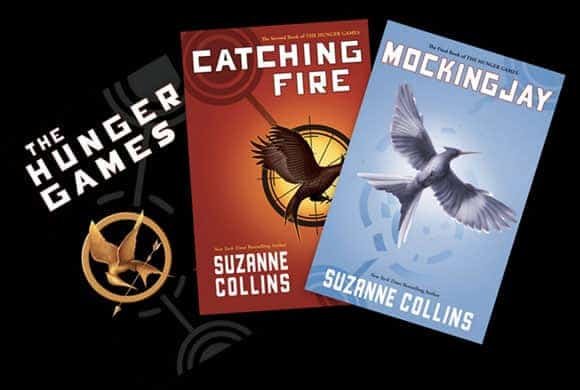
The Hunger Games books are generally considered appropriate for readers aged 12 and up due to mature themes, violence, and some emotional intensity.
Figuring out what age is The Hunger Games book appropriate for can feel like navigating a tricky maze. The series pulls us into a dystopian world with young characters facing harsh realities, which raises important questions for parents and educators. Deciding when to introduce these narratives to young readers requires careful consideration. The content includes violence and emotional complexity.

What Age is Hunger Games Book Appropriate For?
Figuring out if a book is right for a kid can be tricky, especially when it comes to popular series like The Hunger Games. It’s not just about age; it’s about what kind of stories they can handle and understand. So, let’s dive deep into this topic and talk about what makes The Hunger Games a good fit for some kids and not so much for others.
Understanding the Core Themes of The Hunger Games
The Hunger Games isn’t just a story about a competition; it’s about some pretty serious things. These themes are what make the books exciting, but they’re also what you need to think about when deciding if they’re right for your child. Here are some of the important ideas explored in the books:
Survival and Violence
At its heart, The Hunger Games is about survival. Characters are placed in a deadly arena and forced to fight each other to the death. This involves a lot of violence, both physical and emotional. It’s not like a cartoon; the books describe these events realistically, which can be intense for some kids. We see characters get injured and even die. This aspect is very important to consider because not all kids are ready to face such graphic details.
Consider these points:
- Explicit Fighting: The books do not shy away from describing the battles. There are details about weapons, injuries, and the desperation of the characters.
- Death is a Reality: Many characters, including some who are children or teenagers, die in the arena. This constant threat of death makes the story very tense.
- Psychological Impact: The violence is not just physical; it also takes a toll on the characters’ minds. They experience fear, grief, and trauma, which are described in detail.
Oppression and Inequality
The world of Panem is divided, with the wealthy Capitol controlling everything. The districts, where most people live, are poor and oppressed. This inequality is a huge part of the story. The Hunger Games themselves are a way for the Capitol to show their power and keep the districts in line. For some kids, this idea of injustice may make them think deeper about what’s right and wrong, while others might find the portrayal of suffering too heavy.
- Class Struggle: The stark contrast between the Capitol and the districts is a central conflict. This provides a platform to discuss societal inequalities.
- Abuse of Power: The Capitol’s control over the districts shows how power can be used unfairly. This concept is crucial for understanding the political aspect of the books.
- Rebellion: The series showcases how people fight back against oppression. This is both a source of hope and a complex issue that can be discussed with older kids.
Morality and Choices
The characters in The Hunger Games are often faced with difficult choices. They have to decide what they are willing to do to survive, even if it means compromising their morals. This brings up complex questions about right and wrong. It may encourage kids to think about their values. However, for some kids, seeing characters struggle with these issues might be upsetting or hard to understand.
- Gray Areas: The books don’t present clear-cut heroes and villains. Characters often have complex motives, making it difficult to decide who is “good” or “bad.”
- Ethical Dilemmas: Characters have to make difficult choices that affect others, bringing moral complexities to the forefront.
- Consequences of Actions: The books show the direct outcomes of choices, emphasizing that actions have significant impacts.
Loss and Grief
Characters in The Hunger Games lose loved ones and suffer throughout the story. Dealing with loss is a recurring theme. For some, this may trigger sadness or fear of their own loved ones getting hurt. It is important to consider how sensitive your child might be to these themes. Books can provide kids with a way to process these hard feelings, but the timing is everything.
- Death of Loved Ones: Characters experience the death of family and friends, which are a significant part of the narrative.
- Dealing with Trauma: The characters grapple with the aftermath of violence and loss. This is particularly prominent in Katniss’s experience.
- Emotional Depth: The books explore the characters’ emotions in detail, making them very real.
Assessing Your Child’s Maturity Level
So, we know The Hunger Games is intense. But how do you decide if your child is ready for it? It really comes down to maturity. There isn’t one specific age where every kid is ready to read these books. What one kid can handle at 12, another might not be ready for until 14 or even 15.
Emotional Maturity
Emotional maturity is important. Does your child have a good grasp of their emotions? Can they talk about how they are feeling? Are they usually easily upset or overwhelmed? These are key things to think about. Kids who have a good emotional base are usually better equipped to handle the harder parts of a book.
- Ability to Discuss Feelings: Can your child identify and articulate their emotions?
- Resilience to Challenging Topics: How do they react to stories or news that deal with difficult or sad events?
- Coping Skills: Do they have healthy ways of managing feelings of sadness, fear, or anger?
Cognitive Maturity
Cognitive maturity also plays a big role. This means how your child thinks, how they understand ideas, and their ability to see different perspectives. The Hunger Games is more than just an action story, you know? It has political and philosophical ideas that they need to be able to grasp.
- Abstract Thinking: Can your child grasp themes like oppression, rebellion, and the morality of war?
- Critical Thinking: Are they able to question and evaluate the actions of characters?
- Understanding Symbolism: Can they recognize the symbolic meaning behind elements like the arena, the mockingjay, and the Capitol?
Exposure to Similar Content
Think about what kind of stories your child has been exposed to before. Have they seen movies or read books with similar themes, like violence, danger, and death? If they have, and they managed it well, it may be a sign that they’re ready for The Hunger Games.
- Previous Exposure: Have they engaged with other content that includes violent themes or mature topics?
- Reactions to Previous Content: How have they reacted to these themes in the past? Have they been disturbed or have they been able to engage with the story appropriately?
- Discussion with Adults: Have you discussed complex or tough topics about books, shows, or movies with your child?
Age Recommendations: What Experts and Parents Say
You will see different age recommendations for The Hunger Games. Some say 12, others say 14 and some even higher. It’s because each child is different. No single number is perfect for everyone, but here is what is generally recommended:
Common Age Ranges
Many experts and parents suggest that the Hunger Games is best suited for readers ages 13 and up. This age group has often developed a more sophisticated understanding of the themes and can better process the intense content. This is just a general guideline, though, it’s not a hard and fast rule.
- 12 and Under: Most professionals and parents agree that The Hunger Games may not be appropriate for most children under 12, as the content may be too intense.
- 13-15 Years: This age range is where many teenagers start engaging with complex narratives. If a teenager is emotionally and cognitively mature, they may be able to handle the book’s content.
- 16+: Most teenagers in this age group are ready to read it without any problem and understand the message. They also understand the characters’ choices well.
Parental Guidance is Key
Even if your child is in the suggested age range, it’s always a good idea to be involved. Read the book along with your child, if you can, or read it first. This way, you can discuss the difficult parts with them. Talking about it can help them understand the content and see it from different perspectives. It may also offer a chance for important conversations about real-life issues.
- Read Together: Reading with your child allows for immediate discussions and guidance.
- Discuss Themes: Talk about the violence, the characters’ choices, and the overall message.
- Be Available for Questions: Make sure your child feels comfortable asking you about anything that confuses or upsets them.
Considering the Movie Adaptation
The movies based on The Hunger Games books also have an age rating to consider. The movie series is rated PG-13. This suggests that they may have content that some parents might not like for younger children. If your child has watched the movie, or wants to watch it, think about if they handled that version of the story well. The books can often be more intense, because of the details, even when the movies are visually realistic.
- PG-13 Rating: The PG-13 rating suggests that some content may be unsuitable for younger children.
- Comparison with Books: While the movies are faithful in many respects, the books contain more details and may have a stronger emotional impact.
- Movie First?: If a child has watched the movie and handled it well, reading the book may be a step up, but it’s still important to assess the child’s maturity.
Tips for Parents Deciding About The Hunger Games
Here’s a simple guide to help you as a parent, or caregiver:
- Know Your Child: Pay attention to your child’s personality, what they can handle, and how they have reacted to difficult things before.
- Read Reviews: Look at reviews from other parents. See what they say about the book. What their children thought.
- Check Your Library: See if your local library has a copy of the book. Read a few pages yourself to get a feel for the story.
- Watch the Movie First: If you’re unsure, perhaps have them watch a movie adaptation of the book first before they get started reading the entire series.
- Be Open to Discussions: If you decide they’re ready for the book, talk to your child before, during, and after reading it, so that you can help them process everything, if needed.
Ultimately, deciding if The Hunger Games is right for your child is a personal choice. By thinking about the themes, considering your child’s maturity, and talking with them, you can choose wisely. Reading can be a great way to open minds, but it is important to do so responsibly.
The key is to stay engaged, offer guidance, and support your child throughout their journey with these books. You should also keep in mind, that if they have a hard time with the books, you can always have them put it down and try it another time, when they are older. The goal is always to have an enjoyable experience with books, while ensuring they are reading content that is suitable for them.
Final verdict: They all hold up #booktube #thehungergames #hungergames #bookish #bookworm #books
Final Thoughts
Considering its themes of violence and social injustice, The Hunger Games is best suited for older teens. The book explores complex issues that require mature understanding. Parents must gauge their child’s readiness to handle such topics.
Ultimately, determining what age is hunger games book appropriate for involves individual maturity levels. A general guideline suggests 13 and up but parents should make the call. The book’s intensity makes it crucial to consider your child’s emotional sensitivity.

