
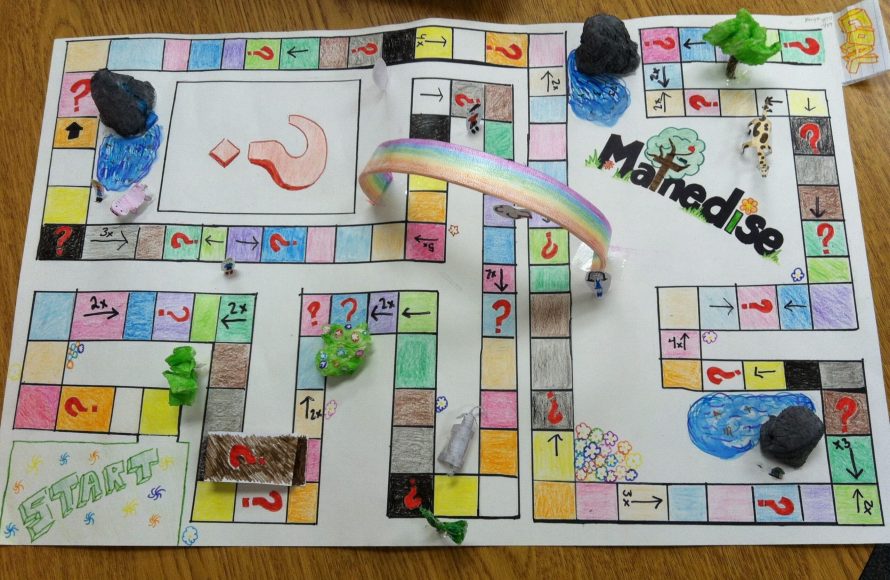
Board games are primarily made of cardboard, paper, plastic, and sometimes wood.
Ever wondered what exactly goes into your favorite tabletop games? The question, “what are board games made of,” often pops up for curious minds. From the game boards themselves to the playing pieces, a variety of materials come together.
Typically, you’ll find cardboard forming the base for the game board and packaging. Paper components frequently include rule books, game cards, and tokens.
Plastic is used for dice, player pieces, and other small components, while sometimes wood features in luxury games. These common materials create the experiences we love.

What Are Board Games Made Of?
Ever wondered what makes up your favorite board game? It’s not just magic, though it might feel like it sometimes! Board games are crafted from a surprising variety of materials, each chosen to make the game fun, durable, and visually appealing. Let’s take a peek at the different components and see what they’re made of.
The Board: The Foundation of Fun
The board itself is often the biggest and most important part of any game. It’s the playing field where all the action happens! But what exactly goes into making these colorful surfaces?
Cardboard: The Usual Suspect
Most game boards start with layers of cardboard. Cardboard is strong, relatively cheap, and easy to print on, making it a perfect choice. It’s usually made from recycled paper pulp, so it’s a pretty eco-friendly option too. The thickness of the cardboard matters. Thicker boards, sometimes called chipboard, feel more substantial and last longer. The artwork and game layout are printed directly onto the cardboard sheets and then often laminated. This lamination adds a protective layer against wear and tear, accidental spills, and makes the colors pop. You’ll see this protective layer on most boards from your favorite games, protecting them for hours of playtime.
Mounted Boards: For a Premium Feel
Some games use mounted boards. This means that the printed and laminated cardboard is glued onto a thicker, more rigid backing board. This gives the board extra sturdiness and a premium feel, often seen in high-end or collectors’ edition games. These boards feel more solid and are less prone to bending or creasing. It’s like having a really sturdy stage for all your game pieces!
Game Pieces: From Pawns to Miniatures
Game pieces are the characters and elements you move around the board. They come in all shapes and sizes. Let’s explore their composition!
Wood: A Classic Choice
Wooden game pieces are a timeless classic. They are often used for pawns, tokens, and even little building blocks in games. Wood is durable and has a nice, natural feel. It’s also easy to shape and paint. Hardwoods like maple and beech are frequently used because they’re strong and less prone to splintering. The wood is cut, sanded smooth, and then painted or stained to give them a specific look.
- Benefits of wood: Durable, natural feel, easy to shape, and paintable.
- Common uses: Pawns, tokens, dice, building blocks.
Plastic: Versatile and Colorful
Plastic is incredibly versatile and is used for a huge variety of game pieces, from simple pawns to highly detailed miniatures. There are different types of plastics used, each with their own properties:
Different types of Plastics
- ABS (Acrylonitrile Butadiene Styrene): ABS is a common choice for miniatures and more complex pieces. It is strong, rigid, and holds fine details well. It’s also relatively affordable to mold. You will find it in many action figure style playing pieces.
- PVC (Polyvinyl Chloride): PVC is another type of plastic used in game pieces, especially those that need to be flexible. It’s softer than ABS and often used for things like bendy characters or flexible components in a game. Sometimes this plastic is also used in things like card holders, dice cups and so on.
- Polystyrene (PS): PS is often used for lighter, simpler pieces. It’s a less expensive option that’s easy to mold. It’s commonly seen in things like game tokens or basic pawns.
Plastic pieces are often made using a process called injection molding. This involves heating up the plastic, injecting it into a mold, and then letting it cool and harden. The mold dictates the shape and details of the game piece. The finished pieces can be painted or colored, using dyes or paints. You will notice a lot of bright and vibrant colors in plastic game pieces, making them attractive to play with.
- Benefits of plastic: Affordable, versatile, moldable into complex shapes, can be colored easily.
- Common uses: Pawns, miniatures, tokens, specialized pieces.
Cardboard Tokens and Chits
Many board games also use cardboard for smaller tokens, chits, or tiles. Similar to the board, these are typically made from printed and laminated cardboard. The artwork for the tokens is printed on a sheet of cardboard and then die-cut into the desired shapes. These pieces often have a good balance of durability and cost-effectiveness. Sometimes these cardboard pieces are punched out from large sheets by the player which adds to the fun of opening the game box.
Cards: A Staple in Many Games
Cards are another common component of board games. They’re used for everything from action cards to resource cards and more. What are they made of?
Card Stock: The Paper of Choice
Most game cards are made from card stock. Card stock is thicker and more durable than regular paper. This extra thickness helps the cards stand up to shuffling, handling, and gameplay. It’s important that the cards don’t bend too easily, otherwise they would get destroyed and not be usable. Card stock comes in different thicknesses and finishes. A thicker card stock will give you a more premium feeling. Some cards are finished with a matte coating to reduce glare, while others have a glossy finish to make the colors vibrant. The printing process involves applying ink to the card stock. Often the cards are coated to protect the ink from wear and tear. This makes them last longer when used frequently.
- Benefits of card stock: Durable, printable, and can be finished with coatings.
- Common uses: Action cards, resource cards, event cards, and character cards.
Linen Finish: A Textured Touch
Some premium cards feature a linen finish. This means that the surface of the card has a textured pattern that resembles fabric. This texture is achieved by running the card stock through a special press during manufacturing. The linen finish makes the cards feel nicer to the touch and can help reduce the appearance of scratches and wear. The texture also makes them less likely to stick together during play.
Dice: Rolling for Results
Dice are an essential randomizing tool in many board games. They come in different shapes and sizes, but what materials are they made of?
Plastic Dice: The Most Common Option
Most dice are made from plastic, usually acrylic or resin. These plastics are durable, easy to mold, and can be colored in many different ways. They’re also great for mass production. The manufacturing process involves pouring molten plastic into molds. The molds give the dice their six-sided shape with the pips (the dots). After cooling and hardening, the dice are tumbled to smooth off the edges, then painted to fill in the pips. Some of them are also engraved instead of painted. Sometimes the dice are made in different colors to differentiate them and to make them more interesting.
- Benefits of plastic dice: Durable, moldable, affordable, and can be made in different colors.
- Common Uses: Almost all types of board games
Wooden Dice: A Classic Look
Wooden dice are a less common but still popular choice, offering a classic and natural look. Like wooden game pieces, wooden dice are made from hardwoods such as maple or beech. They are cut into a cubic shape, sanded smooth, and then the pips are engraved or painted on. Wooden dice add a tactile feel to the game. They are generally considered more aesthetically pleasing by many collectors and players.
Other Game Components
Beyond the main components, there are often many smaller pieces that are important to a board game’s function.
Inserts and Organizers
Many games come with plastic or cardboard inserts to hold all the pieces. Inserts are often made from molded plastic or die-cut cardboard. They are designed to keep the game pieces organized inside the box. Some inserts are also designed to hold the pieces during gameplay, making them easy to access. They are practical because they protect the game and also make setup and teardown faster and easier.
Sand Timers and Other Components
Some games include timers, often sand timers. Sand timers are usually made from glass, plastic, and fine sand. The sand is contained within a glass or plastic casing, and it measures a specific duration. Some games may also use electronic timers or other components to make the game more fun and interesting. These components are usually made from plastic with some electrical parts inside. These game pieces add unique characteristics to the game experience and contribute to making it memorable and fun.
The Importance of Material Selection
The choice of materials for a board game is not random. Game designers and manufacturers consider several factors when choosing the materials for each component, including:
- Durability: Materials need to be strong enough to withstand wear and tear from handling, shuffling, and being moved around.
- Cost: The cost of materials needs to fit within the game’s budget.
- Aesthetics: The materials should make the game look appealing.
- Safety: Materials need to be safe for players, especially children.
- Functionality: Each component’s material needs to fit the function of the component and be easy to use during the game.
- Sustainability: There is a growing focus on using more sustainable and eco-friendly materials for board games.
Looking to the Future: Innovations in Game Materials
The board game industry is constantly growing and evolving. New materials and manufacturing methods are always being explored and developed. Here are a few exciting trends:
- Eco-Friendly Materials: There is a growing trend towards using recycled materials and eco-friendly plastics to reduce the environmental impact.
- Innovative Printing Techniques: New printing techniques are allowing for more detailed and vibrant designs to be created on game components.
- Enhanced Durability: New coatings and laminations are making game components more resistant to wear and tear.
- Interactive Components: There is more exploration of technology, like electronics, incorporated directly into components.
So, next time you sit down to play your favorite board game, take a moment to appreciate the variety of materials that bring it to life. From the sturdy cardboard of the board to the colorful plastic of the miniatures, each piece plays a part in creating the unique fun and enjoyable game experience.
How board games are made!
Final Thoughts
Ultimately, board games primarily consist of cardboard for the main components like boards and tokens. Paper also features heavily for rulebooks and cards. Plastic frequently forms the game pieces such as miniatures and pawns.
Wood is another material often seen for dice or deluxe game parts. Therefore, “what are board games made of” generally boils down to these key materials: cardboard, paper, plastic, and sometimes wood. These materials each play a crucial role in game construction and play.

