
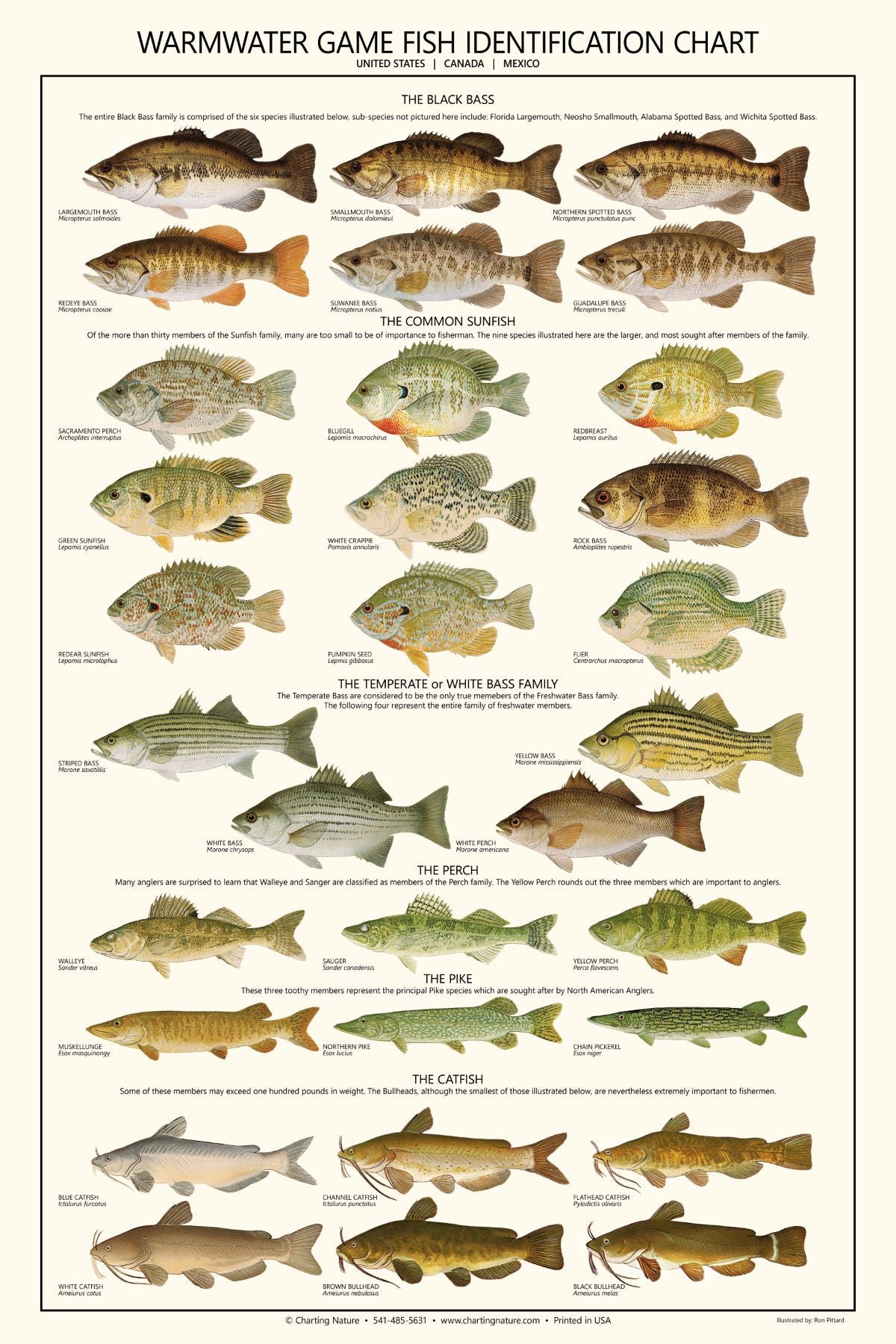
Game fish are types of fish sought after by anglers for sport, often exhibiting a fighting spirit when hooked and valued for their recreational challenge.
Ever wondered about the exciting world of fishing beyond just catching dinner? We often hear the term, but what are game fish exactly? These aren’t your average fish; they’re the ones that give you a thrill on the end of your line.
These particular fish often display impressive strength and agility. This makes the pursuit of them a real test of an angler’s skill.

What Are Game Fish?
Have you ever heard someone talk about catching a “game fish?” Maybe you’ve seen pictures of people holding up big, shiny fish they’re proud to have reeled in. But what exactly makes a fish a “game fish” instead of just… well, a fish? It’s not just about the size or how pretty it looks. It’s a whole combination of things! Let’s dive in and explore the exciting world of game fish.
The Thrill of the Chase: What Defines a Game Fish
The main idea behind a game fish is the “game” of catching it. These aren’t fish you typically find in the seafood section of your grocery store (though some could be!). Game fish are usually targeted by anglers – people who love to fish for fun – because they offer a good challenge, and a rewarding experience. It’s the sporting aspect that separates them from other fish. Think of it like this, you might enjoy eating chicken, but you don’t usually have a ‘sport’ catching one. It’s similar with fish, some you fish to eat and some to play.
So, what makes a fish challenging and fun to catch? Here are some common traits that many game fish share:
- Fighting Spirit: These fish aren’t going to give up easily! They put up a good fight when hooked, often pulling and tugging on the fishing line. This struggle makes catching them more exciting.
- Size and Strength: Many game fish get quite large and are very strong for their size. This means you need the right gear and skill to land them. Imagine trying to pull a small car with your fishing pole, it can feel that intense!
- Aggressive Nature: Game fish often have an aggressive feeding behavior. They actively hunt for their food, making them more likely to bite a lure or bait offered by an angler.
- A Challenge to Find: Sometimes, finding game fish is half the battle. They can live in specific habitats or have certain habits, making them a bit harder to locate. That element of searching adds to the excitement.
- Considered Edible: While some fish are caught for sport and released, many game fish are also considered delicious to eat. This makes it a win-win for anglers- the thrill of the catch and dinner!
These traits, combined together, make catching a game fish an accomplishment. It’s not just about bringing a fish in, it’s about the journey, the effort, and that exciting moment when you finally reel one in!
Popular Game Fish Species: A Look at Some Champions
There are many different kinds of game fish found all over the world, in both fresh and saltwater. Let’s look at a few of the most popular ones:
Freshwater Game Fish
These fish live in lakes, rivers, and streams. They offer great fishing fun for anglers of all levels.
Bass
Bass are some of the most popular game fish around, especially in North America. There are different types, like largemouth bass and smallmouth bass. They’re known for their aggressive strikes and powerful fights.
- Largemouth Bass: Recognizable by their big mouths that extend past their eyes, they are often found in weedy areas.
- Smallmouth Bass: They prefer rocky and clear waters. They are very acrobatic fighters and will jump when hooked.
Trout
Trout live in cool, clean waters and come in many different types such as rainbow, brown and brook trout. They are known for being beautiful fish and fun to catch, especially on a fly rod.
- Rainbow Trout: Known for the colorful band along their sides, rainbow trout can be found in lakes and rivers.
- Brown Trout: Often found in similar habitats as rainbows, brown trout are known for their elusiveness and can get quite large.
- Brook Trout: One of the most beautiful trout, they are usually smaller than the other types and require very clean water to survive.
Pike and Muskellunge
Pike and Muskellunge, or “Muskies,” are ambush predators, meaning they hide and wait for their prey. They are some of the largest and most powerful freshwater fish and can be challenging to catch.
- Northern Pike: Characterized by their long body and toothy mouth, they’re known for their aggressiveness.
- Muskellunge: Called the “fish of 10,000 casts” due to how difficult they are to catch, they are the ultimate prize for many anglers.
Catfish
Catfish are bottom-dwellers with whisker-like barbels around their mouths. They can grow to be very large and provide an exciting fight.
- Channel Catfish: Very common and found in many bodies of water, they are popular because they can be caught on a variety of baits.
- Flathead Catfish: Known for growing to huge sizes, they are a favorite among trophy hunters.
Saltwater Game Fish
These fish live in oceans and seas. They can be extremely powerful and provide incredible fishing experiences.
Tuna
Tuna are powerful, fast-swimming fish that are highly prized by anglers. There are different types, like Bluefin, Yellowfin, and Albacore.
- Bluefin Tuna: One of the largest and most valuable tuna species, they are known for their incredible power and speed.
- Yellowfin Tuna: Found in warmer waters, they are popular for their strong fight and delicious taste.
Marlin and Sailfish
These are known as billfish, due to the long, pointy bill on their face. They are some of the fastest and most sought-after game fish.
- Blue Marlin: These are some of the largest fish in the ocean and provide an unforgettable fight.
- Sailfish: Known for their distinctive dorsal fin that resembles a sail, they are extremely fast and agile.
Grouper
Grouper are large, bottom-dwelling fish known for their strong jaws and powerful runs.
- Goliath Grouper: One of the biggest groupers, they can grow to be enormous and provide a real battle for anglers.
- Red Grouper: Popular for their good taste, they are a fun fish to catch on reefs and rocks.
Snapper
Snapper are another group of fish often found near reefs and rocks. They are usually aggressive and provide an exciting fight.
- Red Snapper: Very common and sought after both for their fighting ability and for being very tasty.
- Mangrove Snapper: Often found in shallow waters around mangroves, they can be very challenging to catch in heavy cover.
The Importance of Game Fish and Conservation
Game fish are not just fun to catch, they play a critical part in our ecosystems and economies. Here’s why they matter:
Economic Value
Recreational fishing is a huge business. People spend money on fishing licenses, boats, gear, and travel, all of which benefits local communities. The presence of healthy game fish populations encourages tourism and provides jobs.
Ecological Importance
Game fish are often top predators in their ecosystems. They help keep populations of other fish and creatures in balance. Without them, food chains could become disrupted.
Conservation Efforts
Because game fish are so important, many people work hard to conserve and protect them. This involves things like:
- Setting Fishing Regulations: Rules about size limits, catch limits, and closed seasons help ensure that fish populations don’t get overfished.
- Habitat Protection: Protecting the areas where fish live and breed is essential for their survival. This can include things like cleaning up pollution and restoring wetlands.
- Stocking Programs: Sometimes, when fish populations get low, fish hatcheries can raise young fish to be released into lakes and rivers.
Understanding the “Catch and Release” Philosophy
Many anglers today practice “catch and release,” meaning they carefully release the fish back into the water after catching it. This helps protect the fish population and ensures that there will be more game fish for everyone to enjoy in the future. Catch and release is a good idea especially with larger fish. They’ve proven they can survive long enough to grow, and are likely good at creating more fish, which we all want more of!
Catch and release techniques often involve using barbless hooks (or crushing the barb down on a regular hook), being careful when handling fish, and minimizing the time a fish is out of the water. Doing these things helps the fish recover and swim off to live another day.
Gear Up: Basic Equipment for Game Fishing
Before you head out to catch a game fish, you will need the right gear. Here’s a brief look at some of the essential equipment:
Rod and Reel
These are the most important tools for any angler. Rods come in different lengths and strengths, while reels come in different sizes and types for different types of fishing. Choosing the right combo is essential to land a large fish or even just cast easily!
Fishing Line
Fishing line attaches your rod and reel to your hook. There are many types of fishing lines that have different strengths and stretch. Choosing the right type for your target fish is very important.
Hooks and Lures
Hooks attach to the end of the line and are used to catch the fish. Lures are artificial bait designed to attract fish. They come in all shapes, sizes, and colors. Using the right lure, at the right time of day, at the right time of year is something that takes some time and practice to figure out!
Bait
Bait is often something natural that the fish would normally eat, such as worms, minnows or shrimp. Using live or fresh bait can sometimes increase your odds of catching fish.
Other essential tools
A good tackle box is handy for storing all of your gear, while a good pair of pliers will help remove hooks. Wearing polarized sunglasses help you to see through the water better and keep your eyes protected.
Fishing Ethically: Being a Responsible Angler
When fishing, it’s important to be a responsible angler. Here are a few tips to follow:
- Obey Fishing Regulations: Always check the rules and regulations for the area where you are fishing. This includes having a proper license.
- Leave No Trace: Pack out any trash you bring with you and try to leave the fishing area as clean or cleaner than you found it.
- Handle Fish Carefully: If you plan to release the fish, try to handle it with as little harm as possible. Keep fish in the water when possible, and avoid touching their gills or eyes.
- Be Respectful of Others: Share fishing areas with other anglers and be mindful of your noise levels.
So, game fish are more than just scaly creatures in the water. They are a challenge, a thrill, and a very important part of our environment. Whether you’re a seasoned angler or just starting out, understanding what game fish are and the importance of protecting them can make the experience all the more enjoyable. Get out there, enjoy the outdoors, and try your luck catching your own “game” fish!
I Went from Broke Noob to RICH PRO in Fisch! (Roblox)
Final Thoughts
Game fish are primarily those species pursued for sport by anglers. These fish often demonstrate desirable traits like fighting spirit and a willingness to take bait or lures. These characteristics make them fun to catch.
These species contribute significantly to recreational fishing. They can include both freshwater and saltwater varieties. ‘what are game fish’ is answered by this: they are the prized catch within fishing communities.

