
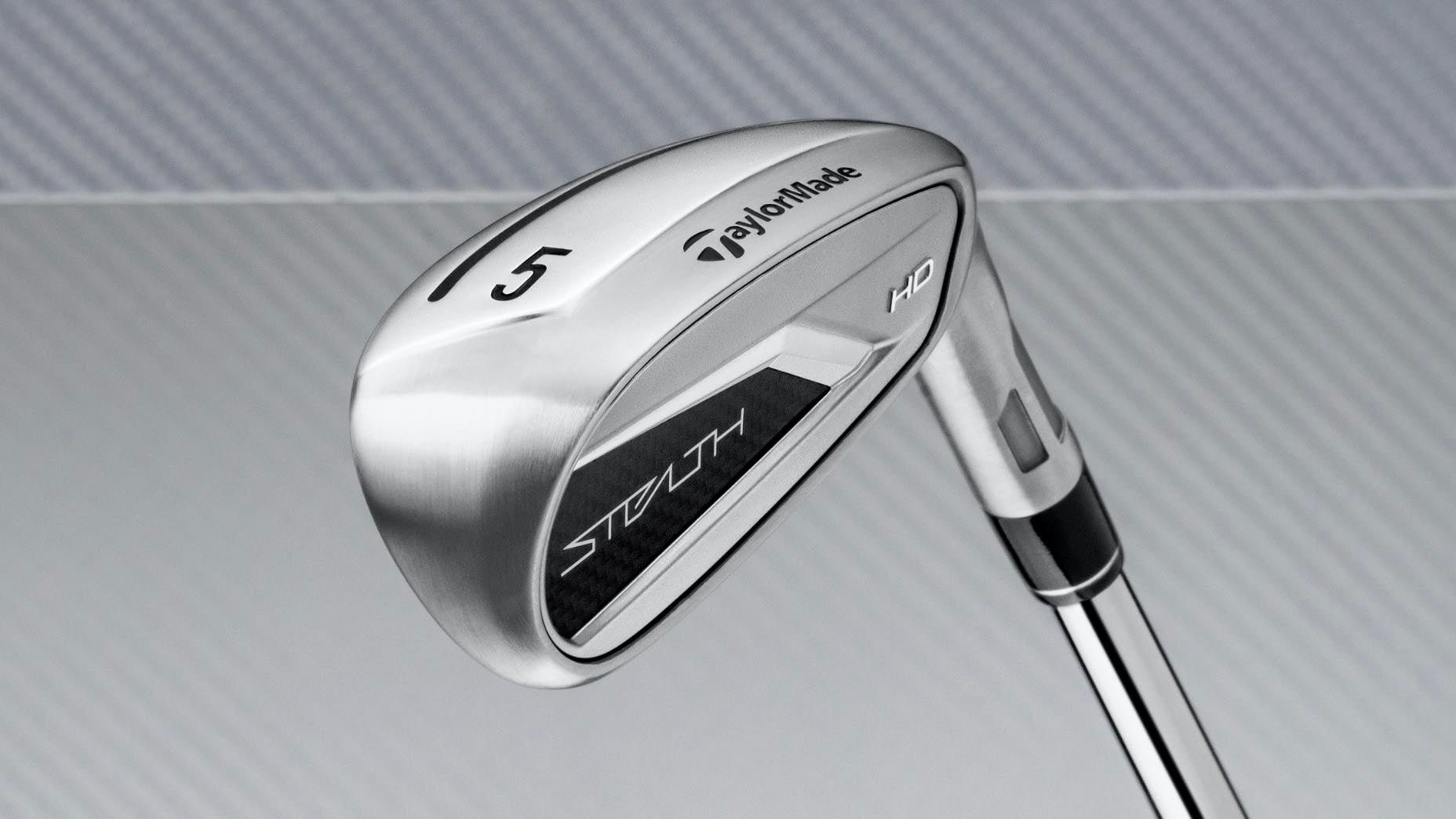
Game improvement irons are designed with features like larger club heads, perimeter weighting, and a lower center of gravity to help golfers hit the ball more consistently and with greater distance.
Struggling with inconsistent shots on the golf course? You’re not alone. Many golfers face challenges with accuracy and distance. That’s where the concept of what are game improvement irons comes into play.
These clubs are specifically engineered to be more forgiving. They help you achieve better results even when you don’t strike the ball perfectly. They are built to make the game more enjoyable for players.

What Are Game Improvement Irons?
Okay, let’s talk about game improvement irons. If you’re new to golf or maybe you’ve been playing a while and just want to hit the ball a little easier, then you’ve probably heard about these clubs. Simply put, game improvement irons are designed to make golf less hard. They help you hit the ball farther, straighter, and more consistently, even if you don’t hit the sweet spot every time. They’re like a friendly helping hand on the golf course.
The Key Features of Game Improvement Irons
Game improvement irons are different from the clubs the pros use. They’re built with some special features that help make the game more fun for average golfers. Let’s dive into some of the things that make them stand out:
Larger Clubheads and Sweet Spots
One of the first things you’ll notice about game improvement irons is that they often have bigger heads. This means they have a larger “sweet spot.” The sweet spot is the area on the clubface that, when you hit the ball there, the ball will fly its best. When the sweet spot is bigger, it becomes easier to hit the ball well. Even if you hit the ball slightly off-center, the larger sweet spot helps to keep the ball going straighter and farther than if you hit with a smaller clubhead.
- More Forgiveness: Larger clubfaces offer greater forgiveness, meaning they are more tolerant of mishits.
- Increased Accuracy: A larger sweet spot helps reduce the effects of off-center hits, leading to better accuracy.
- More Confidence: Knowing that you have a larger area to hit the ball well gives you confidence to swing easier.
Lower Center of Gravity (CG)
The center of gravity (CG) is like the balance point of the club. In game improvement irons, the CG is often placed lower and deeper in the clubhead. This helps get the ball up into the air more easily. Imagine it like trying to balance a pencil on its tip versus on its eraser – it’s much easier to get the pencil going upward when it’s balanced lower. A lower CG in the iron helps create a higher launch angle, which is great for getting the ball to fly high.
- Higher Launch: A lower CG helps golfers get the ball airborne more easily.
- Better Trajectory: A higher launch often results in a higher and longer ball flight.
- Easier to Hit: The ball gets off the ground easier, making shots more consistent.
Wider Soles
The sole of the club is the bottom part that touches the ground. Game improvement irons have wider soles, meaning that bottom part of the club is thicker. These wider soles help the club glide through the grass and turf better, even if you don’t hit the ground perfectly. They prevent the club from digging into the ground and losing speed at the impact.
- Improved Turf Interaction: Wider soles prevent the club from digging into the ground, especially on slightly fat shots.
- More Consistent Contact: Helps maintain a more consistent contact with the ball even when the ground is uneven.
- Better Forgiving: Less likely to lose distance due to slightly incorrect hits.
Offset Designs
Offset is when the clubface is set slightly behind the club’s hosel (the part where the shaft connects to the clubhead). It may look a bit odd at first, but this offset design can help many golfers hit the ball straighter by giving you a bit more time to square the clubface at impact. It helps you avoid slicing the ball – meaning the ball curving too much to the right for a right-handed player (or left for a left-handed player). It provides a fraction of a second extra time to help your hand to catch up with the ball.
- Reduced Slicing: Offset helps to square the clubface at impact, reducing the chance of slicing.
- Straighter Ball Flight: The slight delay helps to promote straighter shots.
- Easier to Control: This feature helps you control the ball direction better.
Perimeter Weighting
Perimeter weighting is a fancy term for making the outside edges of the clubhead heavier. This design puts more weight around the edges of the club. When you don’t hit the ball in the center, that extra weight helps to keep the clubface stable so it doesn’t twist as much and affect the flight of the ball.
- Increased Stability: Perimeter weighting makes the clubhead more stable on off-center hits.
- Improved Forgiveness: Provides better results even when you don’t hit the sweet spot.
- Straighter Shots: Reduces the twist of the clubface, leading to straighter ball flight.
Who Are Game Improvement Irons For?
Game improvement irons are not just for new golfers. While they’re great for beginners, they’re also helpful for anyone who wants to make the game more enjoyable. Here are some common types of players who may benefit:
Beginners and High Handicappers
If you’re new to golf or if you tend to score high, these clubs can be a real game-changer. The forgiveness and ease of use can help you get more consistent results and make the game less frustrating.
Mid-Handicappers Seeking More Consistency
Even if you’re a decent golfer, you might still struggle with inconsistency. Game improvement irons can help you hit the ball straighter and farther, even when your swing isn’t perfect. This can lead to lower scores and more enjoyable rounds.
Seniors and Golfers with Lower Swing Speeds
If you have slower swing speeds, game improvement irons can help you get the ball up in the air. These clubs are designed to make it easier to generate distance and height, even without a powerful swing.
Golfers Who Struggle with Ball Striking
Many people find it hard to hit the ball perfectly in the center of the club. With the large sweet spot and forgiveness, game improvement irons can really help improve your consistency and help you hit the ball better.
What to Consider When Choosing Game Improvement Irons
Choosing the right game improvement irons can seem daunting with all the options out there. Here are a few things you should consider before making a purchase:
Shaft Material
The shaft is the part of the club that connects the grip to the head, and it makes a big difference in how the club feels and performs. The most common materials are:
- Steel: Steel shafts are heavier and provide good feedback. They are generally more durable but can be less forgiving.
- Graphite: Graphite shafts are lighter, which can help increase swing speed and distance. They also absorb vibrations better, so they might feel smoother.
Most beginners and seniors prefer graphite shafts. They help with speed, and they are also easier on joints. Some players might want the feel of steel shafts. It’s good to try both types to see what feels best for you.
Club Length
The length of your irons is also important. If your clubs are too short or too long, it’ll make your shots uncomfortable and less accurate. Most golf stores can help you find the right club length for your height.
Loft Angles
Loft is the angle of the clubface, which affects how high and how far the ball goes. The loft of your irons is important to consider. Game improvement irons have lofts that are designed to launch the ball higher and make it easier to get the ball up into the air. They generally have stronger lofts than some older traditional irons which may give better distance.
Set Composition
Game improvement iron sets typically have a range of irons, and some sets even include hybrids (a type of club that’s a mix between an iron and a wood). Decide if you want a full set or just a few irons to start with.
Brand and Price
There are many different brands of game improvement irons available. Each one has its own technologies and features, and prices can vary widely. Do your research and find something that fits your budget. It’s always a great idea to try out clubs at a driving range or golf store to see which ones you feel good with.
How Game Improvement Irons Compare to Other Types of Irons
Game improvement irons are just one type of iron. There are also other categories, including blades and player’s irons. It’s useful to know how they differ:
Blades (Muscle-Back Irons)
Blades, also called muscle-back irons, are the type of irons that the pros play with. They are smaller, with a small sweet spot, and less forgiving than game improvement irons. They offer more control, but they’re not as easy to hit. They are good for those golfers who can hit the sweet spot regularly.
- Small Sweet Spot: They have a very small sweet spot.
- Less Forgiving: They don’t perform well when you hit off-center.
- Maximum Control: They offer maximum control and feel when hit perfectly.
- Better For Advanced Players: They are for the highly skilled players who hit the sweet spot every time.
Player’s Irons
Player’s irons are designed for skilled players who still want some forgiveness but also want some control over their shots. They are a step up from game improvement irons but not as difficult to use as blades. They’re a good middle ground for more experienced players.
- Smaller Sweet Spot (than game improvement irons): They have a smaller sweet spot than game improvement irons, but a bigger one than blades.
- Moderately Forgiving: They are somewhat forgiving on off-center hits.
- Good Control: They offer a good balance of control and forgiveness.
- Better For Experienced Players: They are for the more experienced player, looking for a balance of control and forgiveness.
Game Improvement Irons
- Large Sweet Spot: They have a large sweet spot for maximum forgiveness.
- Very Forgiving: They are very forgiving on off-center hits.
- Easy to Hit: They are the easiest to hit among the three.
- Better For Beginners and Mid-Handicappers: They are for beginners and mid-handicap golfers wanting forgiveness.
Here’s a table that summarizes the differences between these types of irons:
| Feature | Blades (Muscle-Back Irons) | Player’s Irons | Game Improvement Irons |
|---|---|---|---|
| Sweet Spot | Very Small | Moderate | Large |
| Forgiveness | Low | Moderate | High |
| Control | Maximum | Good | Good |
| Difficulty | High | Moderate | Low |
| Best For | Advanced Players | Experienced Players | Beginners and Mid-Handicappers |
As you can see, each type of iron has its own benefits. Game improvement irons are a great place to start, or a good choice if you simply want more enjoyable and more consistent golf.
The Bottom Line
Game improvement irons are designed to help you have more fun on the golf course. They have larger sweet spots, lower centers of gravity, wider soles, offset designs, and perimeter weighting – all of which help make it easier to hit straighter, farther, and more consistently. If you’re a beginner, a mid-handicapper, a senior, or anyone who wants more consistency in their game, then they could be the right choice for you. Choosing the right golf clubs can make a huge difference in your game, so take some time to look at your options and see what feels best.
BEST GAME IMPROVEMENT IRONS 2024 – YOUR ULTIMATE GUIDE!
Final Thoughts
Game improvement irons assist golfers in achieving better results. These clubs feature larger clubheads and perimeter weighting. They aim to provide increased forgiveness and higher launch.
These design features help minimize mishits. They also help to improve distance and accuracy. Ultimately, what are game improvement irons? They are clubs engineered to make the game easier for many golfers.

