
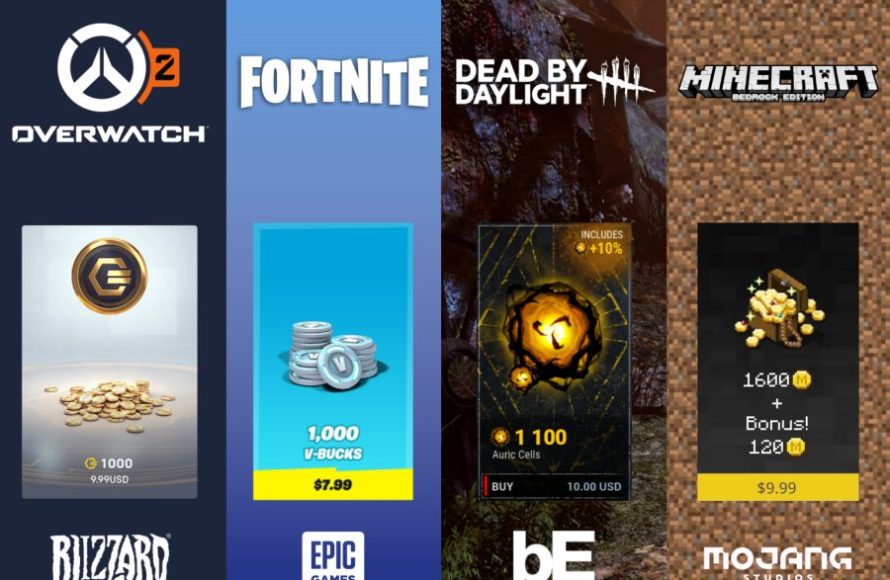
Microtransactions in games are small purchases players can make within a video game, often for virtual items or features.
Have you ever been playing a game and seen an option to buy a special skin or a power-up? That’s likely a microtransaction at play. But what are microtransactions in games really? They represent a method for game developers to earn revenue beyond the initial purchase price of the game.
These small purchases can range from cosmetic items, like new outfits for characters, to gameplay advantages, like boosts or extra lives. Understanding this system is crucial for navigating the modern gaming landscape.

What are Microtransactions in Games?
Have you ever been playing your favorite video game and seen a little button or icon that says “Buy Now” or “Get More Stuff”? That’s often a sign you’re encountering microtransactions! It’s a big, fancy word that really just means small purchases you can make within a game using real money. Let’s dive into what these are all about and why they’ve become so common in the games we play.
The Basics of Microtransactions
At their heart, microtransactions are small, in-game purchases. Think of them like buying candy at the store – it’s a small thing that adds something fun, but you don’t need it to enjoy your day. Instead of candy, though, you’re buying things in your video games. These can be anything from cool outfits for your character to special items or even shortcuts that make the game a little easier or faster. It’s all about adding extras or changing your game experience with small purchases.
What Can You Buy?
The kinds of things you can buy with microtransactions are incredibly varied. Let’s look at some common examples:
- Cosmetic Items: These are things that change how your character looks but don’t affect gameplay. Think of different outfits, skins for weapons, or cool hats. They help you stand out and show off your personal style.
- Gameplay Items: These items may give your character a temporary boost. Some examples might be power-ups, extra lives, or special weapons. These can sometimes make the game easier, but other times just make it more exciting.
- Loot Boxes or Crates: This is like a mystery present! You spend money on a box that contains a random assortment of items. Sometimes you get something amazing, sometimes you might not get what you really want.
- Battle Passes: These give you access to a series of rewards that you earn as you play. They often come with lots of cosmetic items and some in-game items.
- Early Access or Shortcuts: Sometimes, microtransactions let you play a game before it’s officially released, or they might allow you to skip some parts of the game you don’t enjoy.
- In-Game Currency: Many games use their own special currency that you buy with real money. Then, you use this currency to purchase the other items listed above.
Think of the difference between buying a new T-shirt for your character, which is cosmetic, and buying a potion that will give them more health in a fight, which is gameplay focused. Both are microtransactions, but one affects gameplay while the other just alters appearance.
Why Do Games Use Microtransactions?
You might wonder why game creators bother with microtransactions when they already sell you the game. Here are a few key reasons why they are so popular:
- Free-to-Play Games: Many games today are free to download and play. This means they need a way to make money. Microtransactions are their main source of revenue. Think of it like this: the game might be free to get, but they make money if you buy extra items or features.
- Ongoing Development: Games aren’t made overnight. Developers are always working on making them better, adding new content, and fixing any issues. They need income to keep their teams working. Microtransactions can provide this income, which lets them keep the game exciting and updated.
- More Ways to Play: Microtransactions give players more ways to engage with the game. Some people love collecting items, while others like making their characters look super cool. Microtransactions cater to different styles of playing.
- Increased Revenue: For many games, selling microtransactions brings in more money than just selling the game itself. This extra revenue allows companies to fund bigger projects, develop more content, and improve existing games further.
Ultimately, it’s about finding a way for game creators to keep bringing us the games we love while also keeping their business healthy.
Different Types of Microtransaction Models
Microtransactions aren’t one-size-fits-all. Game companies use different models to integrate them. Let’s explore some of these models:
Pay-to-Win
This is probably the most controversial type of microtransaction model. “Pay-to-win” means that players who spend money have a significant advantage over those who don’t. If someone can buy the strongest weapons or skills with real money, it creates an unfair playing field. This can make the game less fun for people who don’t want to, or can’t, pay for an edge. It’s like having a race where some people get to start with a super-fast car and the others have to walk – it isn’t a fair competition.
Cosmetic-Only
This is a much friendlier approach. In this model, you can only buy cosmetic items, meaning outfits, skins, and other appearance-changing items that don’t affect gameplay. This lets players express their personal style without disrupting the balance of the game. This is a win-win for many, since players can still personalize their gaming experience, but no one has an advantage based on how much money they spend.
Time-Savers
Some microtransactions let you buy things that save you time or let you progress more quickly. This could involve getting extra experience points or skipping past waiting periods. For some players, this is helpful, especially if they don’t have a lot of time to play. But others see this as a form of pay-to-win, since it allows those who can pay to advance through the game more quickly than those who do not spend.
Loot Boxes and Gacha Systems
Loot boxes are like digital surprise presents! You don’t know exactly what you’re going to get. These systems are based on chance and sometimes include a wide range of items. They are often found in many types of free-to-play games. The exciting part is the randomness of them. You have a chance to get an amazing, rare item, or you could end up getting something more common. However, this can be tricky, because it is often seen as similar to gambling, especially when kids are involved. Many games have come under scrutiny because of the random reward systems.
Subscription Models
Some games use a subscription system instead of or alongside microtransactions. With these, you pay a monthly or yearly fee to get access to additional content or services. This can include things like special events, extra items, or a more enhanced gaming experience. Think of it like paying for a magazine subscription to get fresh content every month. It’s not a single purchase, but a recurring payment.
The Pros and Cons of Microtransactions
Like most things, microtransactions have both good and bad aspects. It’s important to look at both sides:
Pros
- Supports Free-to-Play Games: Without microtransactions, many free-to-play games wouldn’t exist. They help make it possible for us to play these games without buying them upfront.
- Provides Variety: Microtransactions offer players lots of ways to customize and enhance their gaming experience. If you like your character to look a certain way, or if you want some extra boosts, microtransactions can provide these.
- Keeps Games Updated: The income from microtransactions helps fund ongoing development of games. This means more content, bug fixes, and overall improvements to the game.
- Flexibility for Players: Players get to choose if and how they want to spend their money. This allows everyone to participate in a way that best suits them.
Cons
- Potential for Pay-to-Win: As mentioned, some microtransactions give players who spend money a significant advantage. This can create an unfair and unbalanced experience for others.
- Can be Expensive: Microtransactions can quickly add up. It’s easy to get caught up in buying “just one more” item, especially when loot boxes are involved. This can create a risk of overspending on digital items.
- Encourages Spending: The design of many microtransaction systems is intentionally to make you want to spend money. This can be frustrating and even manipulative for some players.
- Can Spoil Immersion: Constantly being asked to purchase items or seeing other players with special items from microtransactions can make the game feel less immersive and more like a business.
Essentially, when it comes to microtransactions, it’s all about finding a healthy balance. Game developers need to consider the fun of the game alongside their need to make money, and players need to be aware of the choices they are making.
Ethical Considerations of Microtransactions
The ethics of microtransactions are a big topic of debate. Questions about fairness and morality come up frequently. It’s worth considering how microtransactions impact players.
Gambling-like Behavior
Some systems, like loot boxes, are very similar to gambling. You don’t know what you’re going to get, which can be addictive. This is especially worrying when young people are playing these games. A lot of discussions center around making sure that such random systems aren’t taking advantage of the players.
Fairness in Gameplay
Pay-to-win is often regarded as one of the biggest ethical issues. It creates an uneven field, making it harder for some to enjoy the game. Many believe that player skill should be the most important thing, not how much someone is willing to spend.
Transparency
Another point is about how clear games are about their microtransactions. Sometimes it is not obvious about how likely something is to get, or how much money it might take to get the item. This is why many players call for more transparency so people can make better choices.
Spending Habits
Some microtransactions can be habit forming. It can be easy for people to spend too much without thinking. This is especially true when the microtransactions are presented in such a way that they urge players to keep spending. This has caused people to call for the game makers to be mindful of their designs so that they do not promote excessive spending.
The Future of Microtransactions
Microtransactions are likely to stay around, but how they’re used may change. Many companies are trying to find better ways to balance their revenue with player experience. Here are some potential trends:
More Cosmetic-focused Options
It’s becoming increasingly common to have more emphasis on cosmetic-only microtransactions. This way, players can personalize their game without giving an advantage to others. This model seems to be more accepted by the majority of players.
Greater Transparency
Companies are beginning to understand that transparency is key. They are becoming more open about the chances of getting items in loot boxes, and they are providing better information about what’s being bought. Many believe that clarity is the way to a better gaming experience.
Player Feedback
Game developers are also starting to listen to player feedback more closely. This helps them make adjustments to how microtransactions are implemented. When player feedback is a priority, it leads to more balanced and ethical game designs.
Regulation
Governments are beginning to pay closer attention to microtransactions. Some countries are looking into regulating loot boxes and the way they are marketed. This may help ensure fairness and prevent exploitative practices.
In conclusion, microtransactions are a complex part of the gaming world, and as long as games are designed to be fun and engaging, there will be room for improvement and new ways that can balance business needs with player satisfaction. Staying informed and aware is crucial for everyone involved in the world of video games.
Micro-transactions explained
Final Thoughts
Microtransactions in games are small purchases players make within a game. These often involve in-game currency or items. They can provide cosmetic changes or gameplay advantages.
Essentially, microtransactions offer a way for developers to generate revenue beyond the initial game sale. ‘what are microtransactions in games’ becomes important as it affects player experience. These purchases vary greatly in price and perceived value.
Therefore, understanding ‘what are microtransactions in games’ helps players make informed decisions.

