
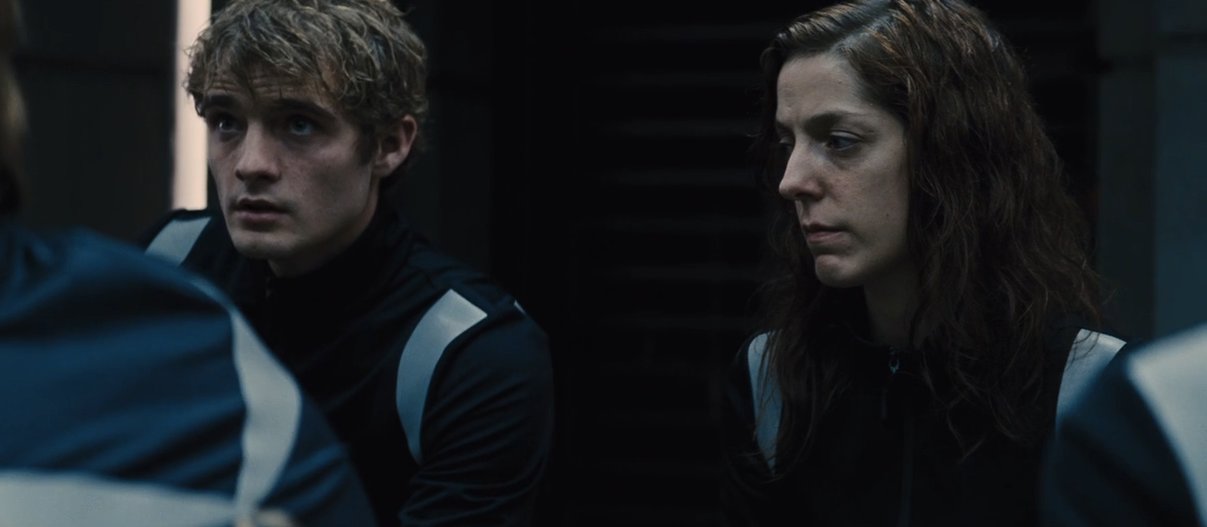
Morphlings in the Hunger Games are tributes from District 6 who are addicted to a painkiller called morphling, often hindering their performance.
Ever wondered about the more tragic figures in the Hunger Games arena? We frequently discuss the victors and the career tributes, but what about the others? Have you pondered what are morphlings in the hunger games? These individuals represent one of the Capitol’s most devastating effects.
They are a sad reminder of the districts’ plight. The morphling addiction dramatically impacts their abilities to compete. District 6’s tributes often become victims of circumstance.

What Are Morphlings in the Hunger Games?
Okay, let’s talk about the Morphlings! If you’ve seen “The Hunger Games: Catching Fire,” you probably remember those two tributes from District 6, who are always together and kind of… odd. These are the Morphlings, and they are a really interesting part of the Hunger Games world. But who are they, exactly? What makes them so different?
District 6 and Its Struggles
To really understand the Morphlings, we first have to look at where they come from: District 6. This district is responsible for transportation across Panem. Think trains, hovercrafts, and all sorts of vehicles that move people and goods around. It’s a tough job and not a glamorous one. The people in District 6 work hard but don’t have the easiest lives. Many face challenges and some might turn to substances to cope with the pressures they’re under.
District 6 is not known for its athletes, its fighters, or its charismatic individuals. It’s more about the labor and the mechanics of keeping Panem moving. This difference in focus plays a big role in the lives, and appearances, of the tributes sent from District 6. They are not bred for the arena like some of the Careers from other districts.
The Meaning of “Morphling”
The word “Morphling” itself gives us a clue. It’s related to the word “morphine,” which is a very strong painkiller. In the context of the Hunger Games, the term Morphling doesn’t directly mean they’re addicted to morphine in the literal sense, but it heavily implies an addiction to a similar substance, and thus, it’s an obvious reference to their impaired state and addiction.
Here’s a breakdown of what that means for them:
- Substance Dependence: Morphlings are dependent on a substance that affects their mind and body. This dependence is so significant that it changes their behavior and physical appearance.
- Altered States: The substance use leads to alterations in their personality, making them appear detached, spacey, and even a little bit erratic at times.
- Physical Impacts: Their bodies also show signs of this dependence, which we see reflected in the physical descriptions in the books and movies. They are usually pale, thin, and might have a slight tremor or unsteadiness.
It’s important to note that not everyone in District 6 is a Morphling, just as not everyone in any district has the same background or struggles. It’s a particular issue, a hardship, that’s quite common in the district and that has defined its arena representatives in the stories. The struggles of District 6 often translate into the tributes’ challenges in the Games. They aren’t as physically strong or mentally sharp as some of the other tributes due to the effects of substance dependence, but they make up for it in other ways.
The Morphlings in “Catching Fire”
In “Catching Fire,” we meet a male and female Morphling tribute. These two characters are essential to the plot for several reasons. While not explicitly named in the book, the female Morphling is referred to as “Morphling” in the film adaptation, and the male is sometimes referenced as “the male Morphling” by fans.
Let’s examine what makes them different from other tributes:
Their Unique Behavior
Their actions and interactions in the arena stand out quite a bit. You will notice that:
- Obsessive Painting: They spend a lot of their time painting using berries in the arena. This is a way of expressing themselves, even in the face of death. Their art is often a sign of their emotional state, reflecting their inner turmoil and feelings.
- Quieter Demeanor: Compared to the other tributes, they are unusually quiet and withdrawn, speaking mostly to each other. They aren’t engaging in strategy sessions like other groups and seem to be in their own little world.
- Interdependent: They are often shown together, relying on each other for support. This connection is strong, and it’s apparent that they have formed a deep bond, possibly from their shared experiences with substance use.
Their Physical Appearance
Their bodies reflect the physical toll of their dependence, which is noticeable in their:
- Thin Frames: They are notably underweight compared to other tributes, likely a result of poor nutrition and the effects of their substance use.
- Pale Skin: Their skin is often described as pale and almost translucent, further highlighting their delicate state.
- Slight Tremors: While not always explicitly shown, some descriptions suggest that they may have slight tremors, indicating the effects of the drugs on their nervous system.
The Morphlings’ Role in the Story
So, why are the Morphlings so important in “Catching Fire”? They actually play a crucial role in multiple ways:
Symbolism of the Capitol’s Oppression
The Morphlings are powerful symbols of how the Capitol’s oppression affects the districts. Their drug dependence is seen as a direct consequence of their circumstances and the despair they face every day. It’s a harsh reality that shows how people in the districts struggle and how their lives can be completely warped by Capitol’s control.
Moral Dilemmas for the Main Characters
The existence of the Morphlings forces the main characters, including Katniss, to grapple with difficult moral questions. Do they see the Morphlings as threats to be neutralized, or fellow victims of the Capitol’s cruelty? This creates emotional depth and complexity in the story. For instance, Katniss feels a degree of empathy for the Morphlings and their plight, despite the dangers they pose. This is quite different from her feelings toward the career tributes.
A Different Kind of Threat
The Morphlings are not physically strong. They don’t possess brute strength like some tributes. However, they present a different kind of threat in the arena. Their unpredictable actions and detachment from reality make them a wildcard. It’s difficult to guess what they might do next, making them more dangerous in some ways than a tribute relying on strength alone.
The Tragic Element
Their story is one of tragedy. They are not just tributes; they represent those who have been broken by the system and struggle to find hope. Their fate in the games serves as a somber reminder of the cost of oppression and the desperate conditions that many people in the districts endure.
The Morphlings’ Fate in “Catching Fire”
During the Quarter Quell, the Morphlings form an alliance with Finnick Odair, Katniss Everdeen, and Peeta Mellark. Their alliance adds an interesting dynamic to the group. The female Morphling saves Peeta from the poisonous fog, sacrificing herself so the alliance can move on. Her action is quite unexpected for someone who is typically so withdrawn, indicating a deep capacity for empathy and courage despite her condition. The male Morphling, while not as directly involved in the main action, also plays a role in the group dynamic, showcasing his artistic ability and quiet support.
Substances in Panem
While not named, the substance that the Morphlings use is likely something created by the Capitol, highlighting their control over all facets of life in Panem, including mood-altering substances. This brings up a topic that’s not discussed at length in the book or movies. The use of controlled and addictive substances is a subtle indication of how the Capitol holds onto its power. This also serves as a social commentary about how substance dependence can be used to control and subdue individuals or groups of people, and how easily and quickly that problem can spread, especially among people who struggle. This adds another layer to the overall narrative of the Hunger Games saga.
Morphlings as a Reflection of Reality
Even though the Hunger Games is a work of fiction, the Morphlings can be seen as a reflection of real-world problems. Their story is an illustration of what can happen to communities that face poverty, inequality, and oppression. Substance dependence is often a way for individuals to try and cope with the hardships they experience, and the Morphlings’ story highlights this struggle and the impact it has on them.
Their situation acts as a cautionary message about the consequences of neglecting vulnerable populations and the potential for drug dependence to create cycles of despair. In this way, the Morphlings do more than just move the plot in “Catching Fire.” They serve as a powerful commentary on social justice.
The Enduring Legacy of the Morphlings
Though the Morphlings are not among the most talked about characters, they certainly have made an impact in the Hunger Games universe. They are a reminder of the depth of the Capitol’s control and the suffering it causes. The Morphlings encourage viewers to think beyond the surface level of the games and focus on some of the subtle injustices that are present in the story.
Ultimately, the Morphlings challenge us to think about how societies can inadvertently or purposefully create environments that breed addiction and despair, and remind us that every life, no matter how difficult it may seem, has value and meaning. Their tragic story stays with the reader and helps deepen the understanding of the dystopian world that is Panem.
Character Spotlight: The Morphlings
Final Thoughts
Morphlings are tributes from District 6 in the Hunger Games. They are known for their addiction to morphling, a painkiller. This addiction significantly impacts their physical and mental state during the Games, affecting their actions and abilities.
Their unique circumstance makes them very interesting. What are morphlings in the hunger games? They represent the dark side of the Capitol’s control, highlighting how addiction can be a tool of oppression. This manipulation is sad for them.

