
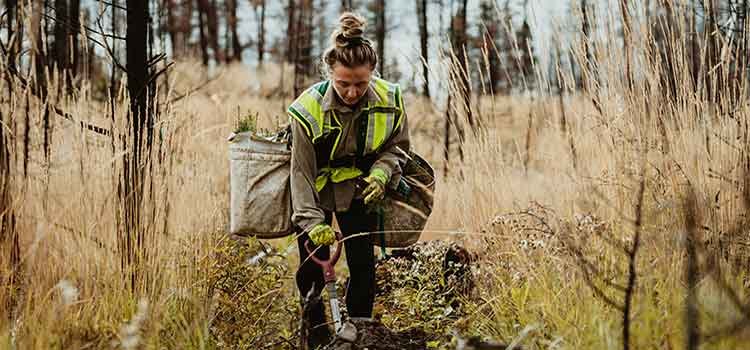
Being a successful game warden requires strong skills in law enforcement, wildlife management, and communication, along with physical fitness and a deep understanding of the natural environment.
Ever wondered what it takes to protect our precious wildlife and wild places? The life of a game warden is demanding, calling for a unique blend of abilities. So, what are necessary skills to be a game warden? It’s more than just wearing a uniform and patrolling the woods.
Game wardens need to be proficient in enforcing laws and regulations. They must also understand animal behavior and habitat management. A good warden communicates clearly and effectively with diverse groups of people.
Physical fitness is also key for long hours in the field. They navigate rough terrain and manage unexpected situations. A game warden’s job requires dedication and a real love for the outdoors.

What Are Necessary Skills to Be a Game Warden?
Becoming a game warden isn’t just about loving the outdoors; it’s about having a very particular set of skills. Think of it like being a superhero for nature! You’re not just wandering around in the woods; you’re protecting wildlife, enforcing laws, and educating people. So, what does it take to wear that badge and keep our natural world safe? Let’s dive into the important abilities needed to be a great game warden.
Strong Communication Skills
Game wardens interact with all sorts of people. They might be talking to a fisherman about regulations, explaining the importance of habitat conservation to a group of hikers, or even dealing with someone who’s breaking the law. That’s why great communication is key!
Verbal Communication
It’s more than just talking; it’s about being able to clearly and effectively get your point across. You need to explain complex rules in simple terms, stay calm during tense conversations, and listen attentively to what others are saying. Being clear and respectful even when someone is upset is very important.
Written Communication
Game wardens also write a lot! They prepare reports, keep detailed records of incidents, and sometimes even write educational materials. It’s important they write clearly and accurately so their reports are useful and understandable by others.
Non-Verbal Communication
Sometimes, a game warden can communicate just by their presence. They need to be aware of their body language, maintaining eye contact, and showing respect. These non-verbal cues can help to build trust and understanding, which can be very useful in various situations.
Physical Fitness and Endurance
A game warden’s office isn’t a desk! You’ll spend a lot of time outdoors, in all types of weather and terrain. You need to be physically fit to handle the demands of the job.
Stamina and Strength
You might need to hike long distances, navigate through forests and wetlands, or even climb steep hills. You may have to carry equipment, including your backpack, first aid kit, and other gears. It means having good stamina, strength, and the ability to work long hours even in challenging environments.
Agility and Coordination
Being able to move quickly and efficiently, especially in unpredictable environments, is very important. You might need to react quickly to situations and need to be sure-footed and have good coordination.
Swimming and Water Safety
Many game wardens work around lakes, rivers, and coasts. Being a proficient swimmer and having a strong understanding of water safety is very important. You must know how to handle a boat and respond to water emergencies.
First Aid and CPR
Working in remote areas sometimes means you could be the first responder in an emergency. Having current certifications in First Aid and CPR could save someone’s life in a critical moment. You have to know how to handle injuries, medical situations, and offer basic medical help until medical professionals come.
Knowledge of Wildlife and Ecology
Game wardens are, at their core, protectors of our natural world. Understanding the environment is at the heart of their work. This includes the animals, plants, and habitats they protect. They need to know the ins and outs of the local ecosystem.
Animal Identification
Game wardens need to identify a wide range of species, from birds and mammals to reptiles and fish. They need to know what’s common and what’s rare, what’s protected and what’s not. Knowing different species’ tracks, calls, and habits is a vital skill.
Understanding Ecology
It’s important to know how different parts of the environment work together. Game wardens should understand how different species interact, and how changes in the environment may affect them. This gives them the understanding to protect whole ecosystems.
Knowledge of Local Regulations
Game wardens have to know the laws and regulations that govern hunting, fishing, and other outdoor activities. Knowing what’s allowed and what’s not and being able to apply these rules fairly and consistently is part of their daily work. They also have to stay up-to-date with any changes to the law.
Law Enforcement Skills
Game wardens are law enforcement officers. This means they have to understand and apply the law, handle investigations, and manage difficult situations.
Investigation and Evidence Collection
If they suspect someone has broken a law, game wardens need to be able to investigate the incident thoroughly. This involves gathering evidence, interviewing people, and accurately recording details. Knowing how to find clues, analyze information, and present findings in a clear and logical manner is key.
Conflict Resolution
Game wardens sometimes have to deal with confrontational people. They must be skilled in de-escalating tense situations, staying calm under pressure, and finding peaceful solutions. Knowing when to be firm and when to be patient is very important.
Legal Procedures
Game wardens need a good understanding of legal procedures. This includes understanding search and seizure laws, how to issue citations, and how to present evidence in court. They need to be sure that all actions are legally sound.
Firearms Training and Safety
Game wardens are often required to carry firearms and must receive comprehensive training in their safe and responsible use. They need to have a strong sense of safety and must follow strict protocols while handling firearms.
Problem-Solving Abilities
Being a game warden can be full of unexpected challenges. It means needing good problem-solving skills to handle various situations.
Analytical Skills
Game wardens should be good at thinking analytically. They need to identify problems, examine the contributing factors, and develop logical solutions. This may involve piecing together information from different sources to understand a whole situation.
Adaptability and Resourcefulness
The job can be unpredictable. A game warden should be adaptable and able to come up with solutions using the available resources. They need to be able to think on their feet and adjust their plans as needed. This is especially important in remote and isolated areas.
Decision-Making
Game wardens often make decisions independently and quickly, especially in emergency situations. They should weigh the options, analyze the situation, and choose the right course of action. They have to be confident in their ability to make good decisions.
Technological Proficiency
In today’s world, technology plays a big role in game wardening. Game wardens often use a variety of tools to do their job better and more efficiently.
GPS and Navigation Tools
They use GPS devices for navigating in remote areas, locating trails, and mapping wildlife habitats. Being able to use this equipment to accurately find their position is very important for their work and safety.
Communication Devices
Game wardens rely on radios and other communication equipment to stay in contact with their teams and dispatch. Being able to quickly and effectively communicate information using these devices is a must.
Data Management
Game wardens use computer programs to write reports, keep records, and organize information. They need to be comfortable working with software and other tech for record-keeping and analysis.
Specialized Software and Equipment
Depending on their location, game wardens might use specialized software or equipment for things like wildlife tracking or monitoring water quality. Being willing to learn about new technologies is very important for success in this job.
Personal Qualities
Beyond the necessary technical skills, certain personal qualities play a big role in making a successful game warden.
Integrity and Ethics
Game wardens are held to a high ethical standard. They must be honest, fair, and act with integrity in all aspects of their job. Their actions can influence public trust, so they must show professionalism and good character.
Dedication and Passion
Being a game warden is often more than just a job – it’s a calling. A strong sense of dedication and a real passion for wildlife conservation are a must. This dedication can help them to stay motivated even when things are tough or challenging.
Patience and Perseverance
The job of a game warden can sometimes be slow and repetitive, but patience is a must. They might have to wait a long time for results, or might need to deal with same problems over and over again. Being patient and having perseverance can help them to work through these obstacles.
Education and Training
Most game warden positions require a certain level of education and training. These requirements may vary by location, but they are put in place to ensure that people are ready for the work that comes with the job.
Academic Requirements
Many positions require at least an associate’s degree in a related field like wildlife management, biology, or criminal justice. Some positions even prefer a bachelor’s degree. Having a foundation of knowledge will be important.
Law Enforcement Training
Game wardens must complete law enforcement training, sometimes through a police academy or other recognized program. They should learn the rules of law and gain the required certifications.
Field Training
Most game wardens also undergo field training. They will work alongside veteran officers to learn the practical aspects of the job. This real-world experience can really help new game wardens prepare for their role.
Becoming a game warden is a challenging but very rewarding career. It requires a mix of physical ability, mental strength, and a passion for nature. By developing all of these skills, you can make a real difference for the future of our natural world.
What Does a Game Warden Do: Everything You Need to Do
Final Thoughts
To succeed as a game warden, one must possess strong outdoor skills, including navigation and wildlife identification. Effective communication, both written and verbal, is also must. Physical fitness and a sense of responsibility are vital for this challenging role.
Furthermore, a game warden needs excellent problem-solving and critical-thinking abilities. The capacity to enforce laws fairly and compassionately is crucial. Therefore, what are necessary skills to be a game warden? They include adaptability and dedication to conservation.

